72 Hours in Tbilisi: Where $40 Boutique Stays Sit Under Tree-Lined Vera (Summer 2026)
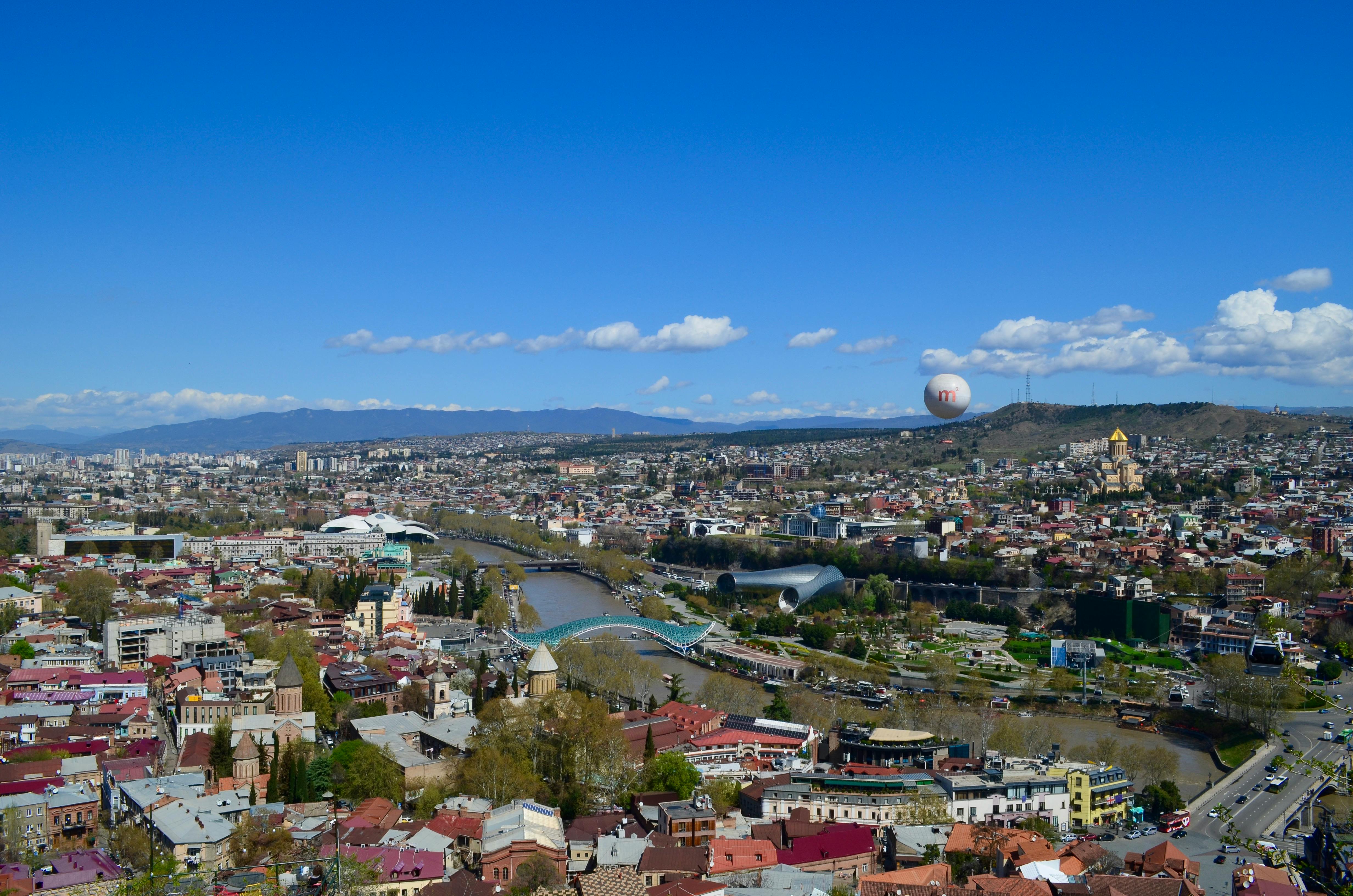
Most travelers heading to Europe this summer are choosing between Lisbon at $180 a night, Barcelona at $220, or Athens at $160. Tbilisi sits in the same flight band from most US hubs, costs about a third of those numbers, and has been quietly turning into one of the most interesting capital cities in this part of the world.
We tracked hotel prices in Tbilisi across 60 mid-range and boutique properties from late May through early September. Median nightly rate sits at $74. The bottom quartile starts at $38. For context, that means the room that costs $220 in Barcelona costs $74 here, in a city with comparable design hotels, better food than its reputation suggests, and a 30-minute Uber from a working airport.
Here's how to do three days in Tbilisi without overpaying, without overpacking the itinerary, and without making the mistake almost every first-time visitor makes about where to stay.
Where to Actually Stay
The default move for a first-timer is to book in Old Town. It looks right on a map. The carved wooden balconies, the sulfur baths, the postcard streets. The problem is that Old Town is the busiest part of the city, the loudest part at night, and where prices have climbed the fastest. A good room in Old Town now starts around $90 in summer.
Two better options sit a 10 to 15-minute walk away.
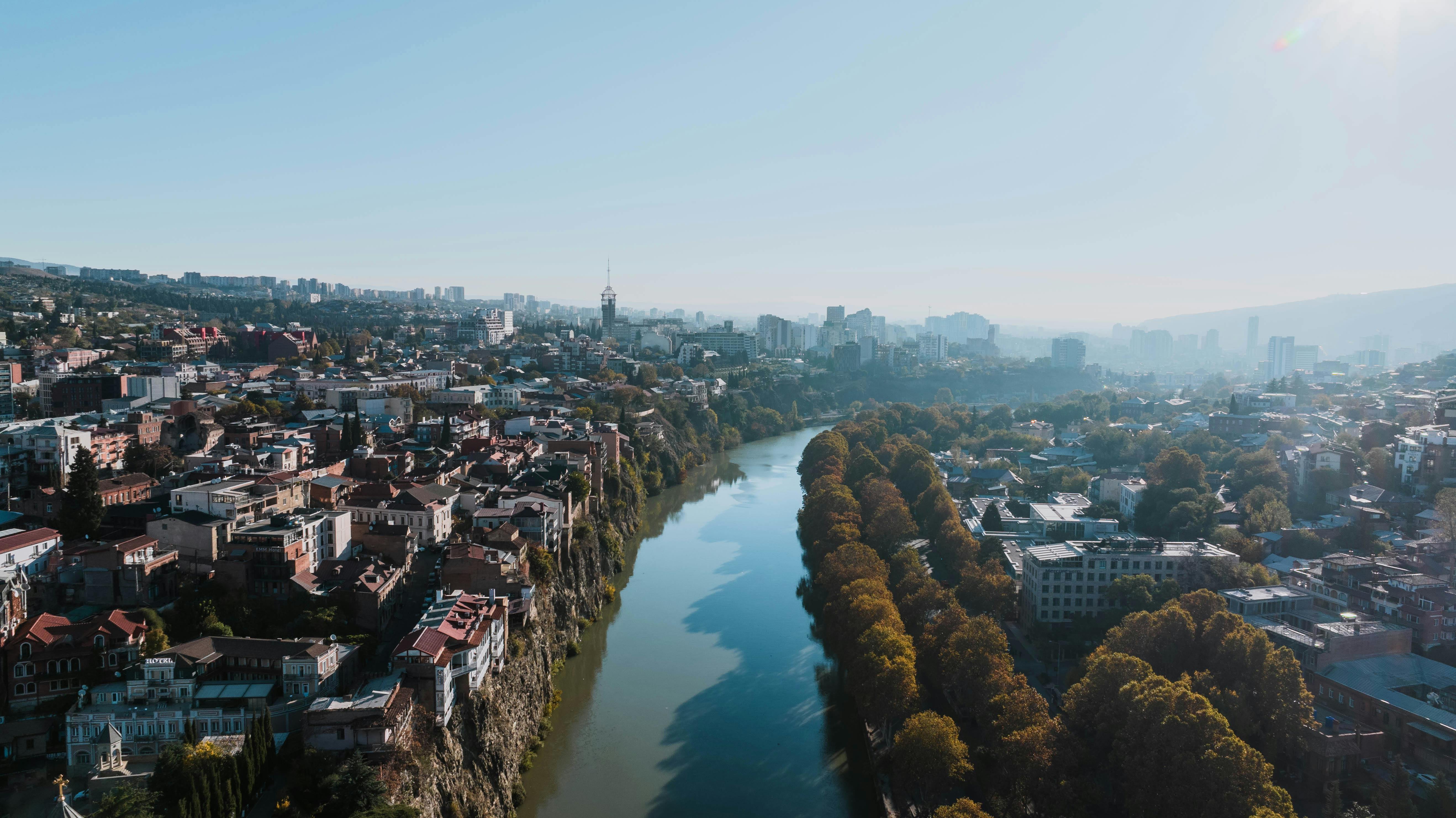
Vera
Vera is the neighborhood Tbilisi residents will tell you to stay in. It's residential, tree-lined, full of small cafes and neighborhood shops, and about a 10-minute walk from Rustaveli Avenue. The 19th-century apartment buildings have been quietly converted into boutique hotels and stylish guesthouses. Rooms Hotel Tbilisi, the design hotel that arguably kicked off the city's hotel boom, sits here. Summer rates run $80 to $140 depending on the room.
Cheaper option in Vera: small boutique stays and guesthouses in renovated 19th-century buildings go for $45 to $70 a night. Look for places that mention "Italian courtyard," the local term for the interior light wells that almost every old Tbilisi building has.
Sololaki
Sololaki is the slightly cooler, quieter cousin of Old Town. It's technically adjacent. Some maps lump them together. But it has a distinct personality. More boutique hotels than hostels, more wine bars than clubs, more crumbling-chic than restored-shiny. Streets are quieter at night. The walk to Old Town's main sights is five minutes.
Chateau Mere is the standout, a wine-themed boutique hotel with rooms named after Georgian grape varieties and a courtyard restaurant that's worth booking even if you're not staying there. Summer rates $90 to $160. For under $50, plenty of small guesthouses in renovated stone buildings around Mtatsminda Pantheon.
Avoid (Probably)
Saburtalo and Vake are perfectly nice residential districts but they're 20-plus minutes from anywhere a first-timer wants to be. Old Town itself is fine if you don't mind the tourist density and the higher prices. Marjanishvili, on the other side of the river, is up-and-coming and worth a meal but not ideal for a 72-hour stay.
Day One: Walk the Spine
Start at Freedom Square. It's where the city orients itself. From there, Rustaveli Avenue runs north, lined with the Opera House, the National Museum, and a string of cafes that still serve real coffee for $1.50.
The walking distance from Freedom Square to the end of Rustaveli is about 1.2 km. Plan to spend the morning on it. The National Museum is worth two hours, particularly the Soviet Occupation Hall and the upstairs treasury, which holds gold work from the 3rd millennium BC that nobody outside this region knows about.
Lunch at Shavi Lomi, hidden in a residential building off Rustaveli. The badrijani (eggplant rolls with walnut paste) and khinkali (soup dumplings) come out to about $15 a person with a glass of qvevri-aged Saperavi. Cash works better here than card.
Afternoon: cross the river on the Peace Bridge (the glass thing locals don't love but tourists need to see) and take the cable car up to Narikala Fortress for the sunset view. Cable car costs about $1 each way. Walk back down through the old town for the more interesting light.

Day Two: Wine Country (Without the Tour Bus)
Most Tbilisi visitors take a day trip to Kakheti, the wine region two hours east. The default move is a guided group tour. Skip it.
Hire a private driver through your hotel for the day. Cost runs $80 to $120, splittable between four people, and you get to set the pace. Two stops worth making: Pheasant's Tears in Sighnaghi (one of the founders of the natural wine revival in Georgia, lunch is $25 a head with pairings) and Schuchmann Wines in Kisi Khaketi (Georgian-German operation, polished, beautiful courtyard).
If a day trip feels like too much, the wine bars inside Tbilisi serve everything the regional wineries make. 8000 Vintages, Vino Underground, and g.Vino are all within a 10-minute walk of Sololaki. Each has 30 to 50 Georgian wines by the glass, none over $7.
Day Three: Sulfur Baths and the Botanical Garden
Tbilisi means "warm place" because of the natural sulfur springs that run under the Abanotubani district. The public baths cost $4 for an hour. Private rooms run $25 to $50 and come with a scrub from a kisi (a bath attendant who will physically remove a layer of you whether you asked for it or not). It is not relaxing in the spa sense. It is restorative in a different sense. You'll feel it.
Spend the afternoon in the National Botanical Garden, which is enormous, mostly empty on weekdays, and runs uphill from the baths. Entry is about $1. There's a small waterfall in the back, accessible only on foot. The walk to it takes 45 minutes from the entrance. Bring water.
Dinner at Barbarestan, the restaurant built around a 19th-century cookbook discovered in a flea market. It's a tasting menu format, about $50 a person with wine pairings. Book at least three days ahead.
What It Actually Costs
A 72-hour trip to Tbilisi, eating well, drinking the local wine, staying in a boutique hotel in Vera or Sololaki:
Hotel: $80 average per night = $240 for three nights
Food: $40 per day = $120
Drinks and wine: $30 per day = $90
Activities and transport: $80
Day trip to Kakheti (split four ways): $25
Total: about $555 per person, not including flights.
The same trip in Lisbon or Barcelona runs $1,200 to $1,400. The flight from New York to Tbilisi via Istanbul or Doha lands in the $700 to $900 range in summer 2026, similar to Western Europe in the same season.
Booking Notes
Most of the smaller Tbilisi boutique hotels list on major booking platforms but charge more on those platforms than they do via direct walk-in rates. Book through a platform that pays you back what the platform charges. Best gives 10% cashback on hotel bookings, which on a $240 stay in Tbilisi is $24 back, more than enough for the cable car, the baths, and dinner the first night.
One thing to know: Georgian Lari is volatile. In the past 18 months it has swung 8% against the dollar. Hotel prices on platforms are usually quoted in dollars or euros, so this matters less than it does in places like Argentina or Turkey, but if you're paying in cash for things like wine and meals, withdrawing on the day rather than upfront saves a few percent.
The Mistake to Avoid
Don't try to do Tbilisi and the wine region and the Caucasus mountains in 72 hours. The mountains are worth a trip but they're three hours each way and a separate experience. If you want both, plan five days minimum. For three days, stay in the city, do one day trip, and use the rest of the time to actually live in the neighborhoods. The point of Tbilisi isn't the sights. It's the rhythm.
FAQ
Is Tbilisi cheap to visit in summer 2026? Yes. Median hotel rates run about $74 per night for mid-range boutique stays, with the bottom quartile starting around $38. Meals at neighborhood restaurants average $12 to $20 a person with wine. A 72-hour trip lands around $555 per person excluding flights.
Where should I stay in Tbilisi as a first-time visitor? Vera or Sololaki, not Old Town. Vera is residential and tree-lined, a 10-minute walk to Rustaveli Avenue, with boutique hotels in renovated 19th-century buildings starting around $45 to $70. Sololaki is quieter than Old Town and has the best concentration of wine bars and small boutique hotels under $90 a night.
What is the best time to visit Tbilisi? Late May, June, and early September are the sweet spots. July and August get hot (35C/95F) and slightly busier. Late September is also strong because it overlaps with the Rtveli harvest in the wine region.
How many days do I need in Tbilisi? Three full days is enough to see the city, do one day trip to Kakheti, and not feel rushed. If you want to add the Caucasus mountains, add two more days minimum.
Is Tbilisi safe for tourists? Yes. Tbilisi consistently ranks as one of the safer European capital cities for visitors. Petty theft is uncommon in the central neighborhoods. The taxi scene is now mostly Bolt and Yandex, which removes the haggling and price disputes that were common a decade ago.
Images: Hero aerial of Tbilisi via Pexels. Kura River and Old Town aerial via Pexels. Old town balconies via Pixabay. All used under free commercial license.