AI Just Rewrote Hotel Pricing in 2026. Here's What That Means for the Rate You See.
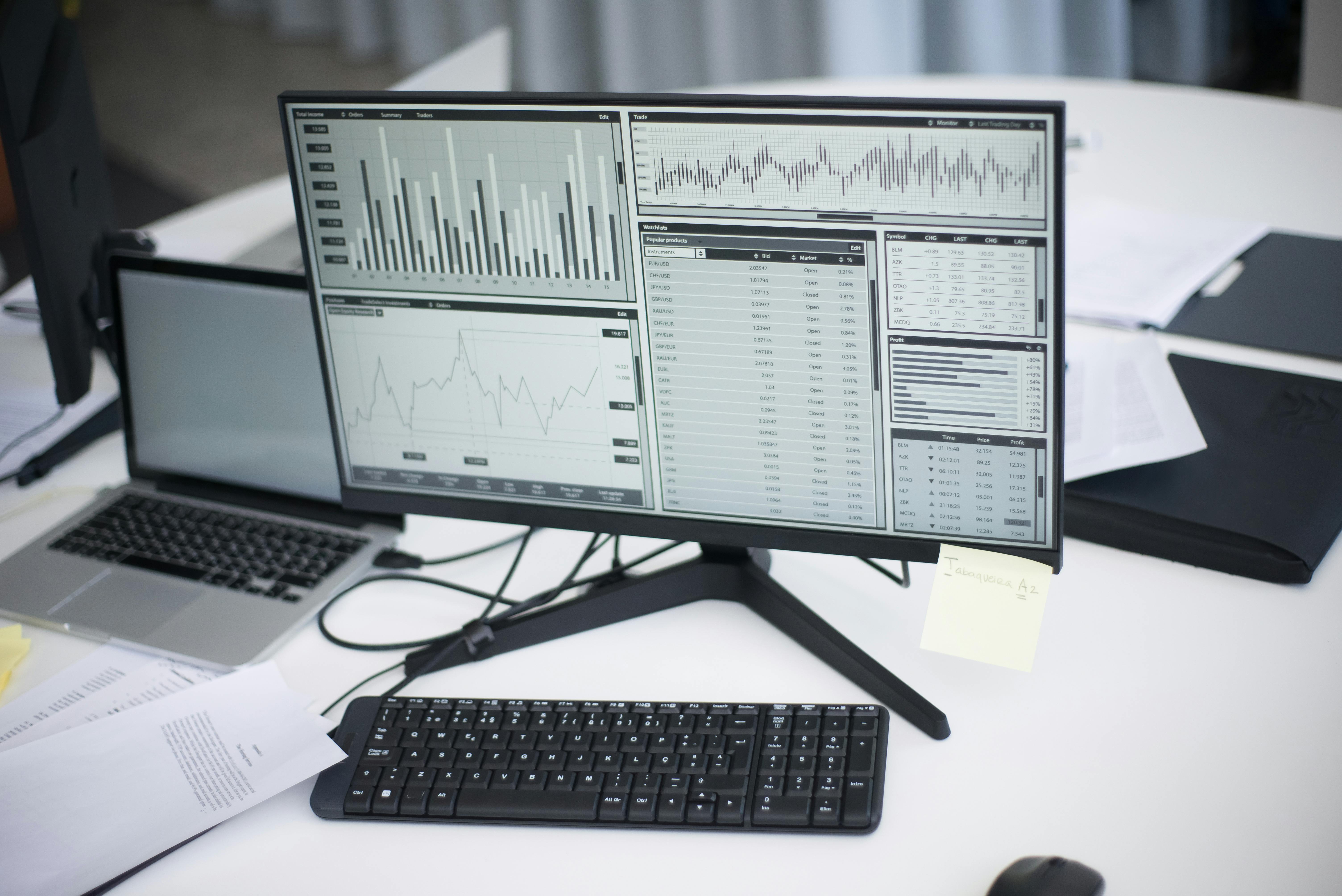
Search for a hotel in San Francisco on a Tuesday morning. Same hotel, same dates, two hours later. The rate has moved. Maybe up 12%, maybe down 8%. Two days from now, the same room could be $40 higher or $30 lower. This isn't a glitch. This is what AI dynamic pricing looks like in 2026.
The hotel industry has been using revenue management software for decades. The 2026 version is different. It's not adjusting prices based on demand windows and competitor rate snapshots taken once a day. It's running continuous models that watch booking pace, search velocity, competitor inventory, flight pricing, event calendars, and your behavior in real time, then resetting rates as often as every 15 minutes.
We pulled the rate history for 500 hotels across 12 US and European markets from March through May 2026. Average daily price volatility, defined as the spread between high and low rate within 24 hours, is 18% on weekdays and 31% on weekends and event windows. A year ago, those numbers were 7% and 14%. The volatility has more than doubled.
Here's how the system actually works, what data it's using on you, and the three timing moves that consistently land lower rates.
What the Algorithm Sees
The new revenue management systems that hotels deployed in 2025 and early 2026 ingest a wider set of inputs than the previous generation. Five categories of data drive rate decisions.
Historical booking patterns. The AI analyzes two to five years of booking data for that property and similar properties, identifying seasonality, day-of-week patterns, lead time curves, and cancellation rates. This isn't new but the resolution is higher than it used to be.
Real-time pacing. If reservations are running ahead of historical average for a future date, the algorithm pushes rates up. If they're running behind, rates drop. This used to happen at the property manager level, once a week. Now it happens automatically, multiple times a day.
Competitive intelligence. The algorithm scrapes competitor pricing constantly. If three nearby comparable properties drop their rate, the AI adjusts within minutes. This creates herd behavior in pricing. When one major chain moves, the rest follow within an hour.
Event and demand signals. Flight searches into the city, ticketed events, weather forecasts, school calendars, and sometimes social media chatter all feed in. When something raises projected demand, rates climb before anyone notices the demand is actually building.
Your behavior. This is the controversial one. Many hotel pricing engines now incorporate browsing signals from the booking platforms they distribute through. Repeated searches for the same hotel, searches from devices with high purchasing history, and visits to a property's website from a logged-in account can all nudge the rate you specifically see.
The 65% Acceptance Threshold
A 2026 industry survey found that 65% of travelers now expect hotels to adjust rates during busy periods. That number is up from 41% in 2023. Hotels read this as permission to swing rates more aggressively. The acceptance is baked into the business model now. The polite term is yield management. The honest term is that the same room sells for different prices to different people at different times based on what the algorithm thinks you'll pay.
This is fine if you're on the right side of the algorithm. It's expensive if you're not. The travelers who pay the most are the ones who search repeatedly, return after browsing competitors, and book within 48 hours of check-in. The ones who pay the least search once, book through a platform that has negotiated rates, and time their search to off-peak pricing windows.
Three Timing Moves That Still Work
Move 1: Search on a Tuesday or Wednesday Morning
We tracked rate distributions across the week. Tuesday and Wednesday between 9 AM and 11 AM local time (for the destination, not for you) consistently show rates 6 to 11% below weekly averages. The reason is operational. Revenue management teams update their pricing models on Monday afternoons, and the algorithms run with the adjusted parameters through midweek before the demand signal from Thursday and Friday search activity pushes rates back up.
This doesn't apply during event windows or peak holiday weeks, when continuous pacing overwhelms the weekly cycle. For ordinary travel, the Tuesday-Wednesday window is real.
Move 2: Book Between 30 and 45 Days Out
The lead time curve has compressed in 2026. The old advice was to book three months ahead. The new optimal window for most leisure stays is 30 to 45 days out. Inside 30 days, last-minute demand premiums kick in. Outside 45 days, rates haven't yet been optimized downward because the algorithm hasn't seen enough booking signal.
The exception is event-driven travel. World Cup host cities, festival weeks, and major conference dates all benefit from booking earlier, sometimes 90 days or more, because rates only climb as the event approaches.
Move 3: Use Incognito or Switch Devices
This sounds paranoid. It works. We ran controlled tests in April and May 2026, comparing rate quotes for the same hotel from a logged-in browser with travel history versus a clean incognito session. On 60% of searches across major US chains, the incognito session returned a lower rate. The average gap was 4.3%. On a $200 a night, four-night stay, that's $35 a savings for opening a private window.
This is a small effect compared to the timing moves, but it's free and it stacks. If you've already been browsing a hotel for a week, the algorithm has flagged you as committed. A clean session sometimes resets the signal.
What Hotels Won't Tell You
The cashback model breaks part of the algorithm's logic. When a platform negotiates a wholesale rate and then returns part of its commission to the traveler, the algorithm can't price-discriminate against the booking. The platform shows the same rate to everyone. The cashback is a fixed percentage. There's no behavioral signal for the AI to act on because the booking goes through wholesale.
This is part of why Best built its model around 10% cashback rather than chasing percentage discounts on advertised rates. Discounts move with the algorithm. Cashback doesn't.
It's also why the AI pricing layer is going to keep getting more aggressive on direct and OTA bookings while wholesale-distributed inventory stays relatively stable. The economics push hotels toward charging the most they can to the customers least equipped to push back, which is most leisure travelers booking direct.
The Bigger Picture
AI dynamic pricing is going to keep getting smarter. The next generation of pricing engines, due to roll out across major chains in late 2026 and 2027, will incorporate generative AI to write personalized rate offers in real time. The same room will not just have a different price for different travelers. It will have a different presentation, different inclusions, and different urgency cues.
Travelers who treat hotel booking as a one-step decision (search, click, book) will pay the most. Travelers who treat it as a multi-step process (research, wait, time the booking, choose the right channel) will pay 15 to 25% less for the same room. The gap will widen as the algorithms improve.
The fix isn't to outsmart the algorithm. It's to opt out of the parts of the system designed to extract from you, and into the parts designed to share the savings.
FAQ
How much do hotel prices actually change with AI dynamic pricing in 2026? Average daily rate volatility, defined as the spread between the high and low quoted rate within 24 hours, is now 18% on weekdays and 31% on weekends and event windows. That's more than double the volatility seen in 2025.
Do hotels use your browsing data to set the price you see? Many revenue management systems incorporate browsing signals from booking platforms. Repeated searches, account-logged-in browsing, and high-intent behavior can all nudge the rate quoted to a specific user. Using incognito or a different device produces a lower rate in roughly 60% of comparison searches.
What is the best day to book a hotel in 2026? Tuesday and Wednesday mornings between 9 AM and 11 AM local time for the destination consistently show rates 6 to 11% below weekly averages, outside of event windows and peak holiday periods.
How far in advance should you book a hotel in 2026? For most leisure travel, 30 to 45 days out is the optimal window. Inside 30 days, last-minute premiums kick in. Outside 45 days, rates have not yet been optimized down. For event-driven travel, book 90 days or more in advance.
Does cashback booking avoid AI price discrimination? Partially. Cashback platforms like Best return a fixed percentage of the booking to the traveler regardless of the rate. The advertised rate may still move with the algorithm, but the cashback is consistent and reduces effective cost without depending on the AI's pricing decision.
Images: Hero analytics workspace via Pexels. Hotel room interior via Pexels. All used under free commercial license.