How to Book a Hotel for a Long Stay in 2026 (Weekly and Monthly Rates)
Weekly and monthly hotel rates explained, plus how to book a long stay in 2026 without paying the nightly tourist rate.

If you're staying somewhere a week or more, the nightly rate on the booking page is almost never the price you should actually pay. Hotels quote you the standard per-night number because that's what fills the box. The longer rate, the one they'll give someone who commits to seven or thirty nights, usually sits a layer underneath, and plenty of travelers never think to ask for it.
Long stays have quietly become normal. Remote work, slower travel, month-long winter escapes, medical trips, relocations between leases. The hotel industry noticed years ago and built pricing around it. Here's how to book a long hotel stay in 2026 without paying the tourist rate for a whole month.
The short version
Ask for the weekly or monthly rate directly, and search for stays of the full length you actually want rather than booking a few nights at a time. On most extended-stay platforms, a booking of seven or more nights drops the nightly rate automatically. Push past thirty nights and discounts of up to 45 percent off the standard rate are common. Go beyond sixty nights at some chains and you can save up to 60 percent. The single biggest mistake is booking a long stay one short reservation at a time and paying the nightly headline rate the whole way through.
Why hotels cut the price when you stay longer
This is where knowing how hotels think actually saves you money. A hotel's worst outcome is an empty room. An unsold night earns nothing and can never be recovered, so the math on filling a room for a lower guaranteed rate almost always beats gambling on a higher walk-in that may never show.
A guest who books thirty nights removes thirty of those gambles at once. The hotel locks in a month of occupancy, skips the daily churn of check-ins and check-outs, and cuts its costs. Housekeeping is the big one. Long-stay rooms are typically cleaned every few days rather than daily, which trims labor, laundry, and amenity costs. Those savings get passed back to you in the rate, because you're the reason they exist.
Front desk labor drops too. One guest for a month is far cheaper to serve than thirty guests for a night each. When a hotel offers you a monthly rate, it isn't doing you a favor. It's buying certainty, and certainty is worth a discount.
Extended-stay brands versus regular hotels
You've got two routes for a long stay, and they suit different trips.
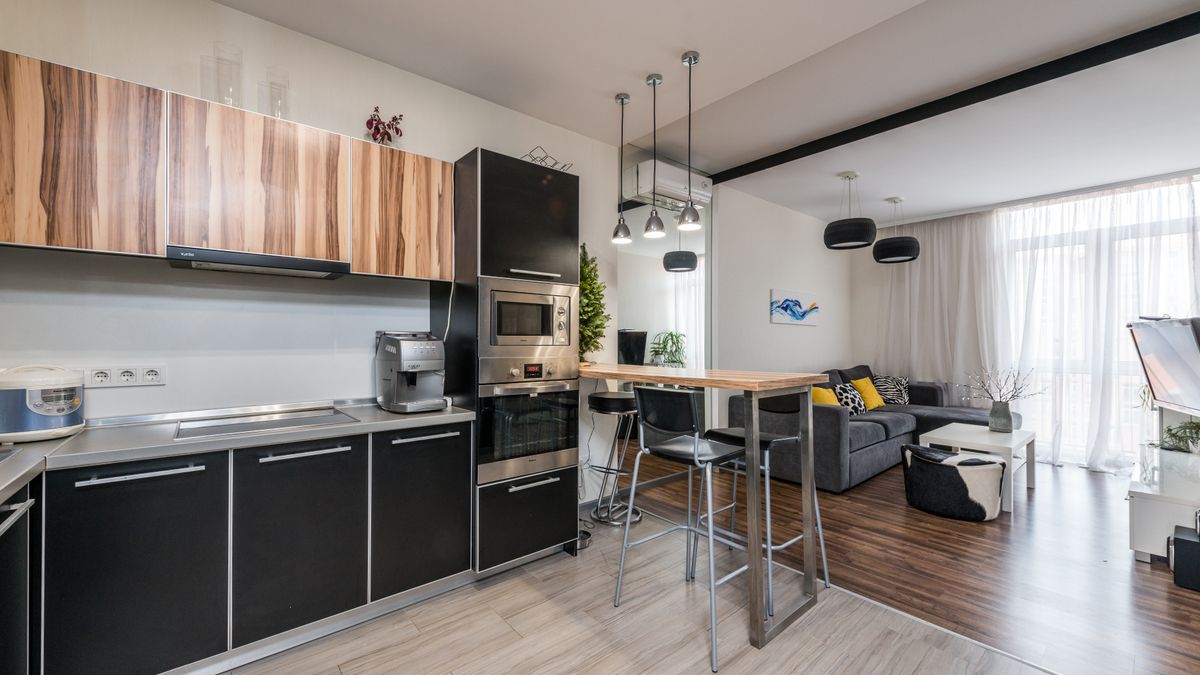
Extended-stay brands are built for this. Rooms come with a kitchenette or a full kitchen, a proper work surface, and on-site laundry, and the pricing is designed around weekly and monthly stays from the start. The discount often applies the moment you search seven or more nights, with no code and no negotiation. For a stay of two weeks or longer, this is usually the better value and the more livable option.
Regular hotels can still work, especially in a city where extended-stay options are thin. The difference is that you often have to ask. The long-stay rate at a standard hotel is frequently unpublished, so you request a weekly or monthly quote rather than clicking the nightly price. A room with a mini-fridge and a kettle is a lot more comfortable over a month than a standard room with neither, so ask about that too.
What you give up, and whether it matters
The trade for a long-stay rate is usually less daily service. Housekeeping every third day instead of every day. Fewer fresh towels on demand. Sometimes a more basic room in exchange for the kitchen. For most people settling in for weeks, none of that stings. You're living there, not being waited on, and a kitchen that lets you skip two restaurant meals a day pays for itself fast.
The one thing to check is the cancellation and change policy on a long booking. Locking in thirty nights at a great rate is only smart if your plans are firm, because long-stay rates are often less flexible than a standard nightly booking. Read that part before you commit.
Location math changes on a long stay
On a two-night city break, you pay up to be in the middle of everything. On a month-long stay, that logic flips. You'll spend most of your time living a normal life, not sprinting between sights, so a residential neighborhood one transit stop out often beats the tourist core. It's quieter, the rooms are bigger, there's a real grocery store nearby, and the rate can be a third lower for the same square footage.
Pick the neighborhood you'd want to actually live in for a few weeks, then work backward to the hotel. It's a different filter than a weekend trip, and it usually saves money.

How to actually book the long-stay rate
Four steps that consistently get the lower number.
First, search for the full stay in one booking. Enter all thirty nights, not five at a time. The discount tiers only trigger when the platform sees the length of stay, so chopping it up hides the savings from you.
Second, filter for extended-stay properties or rooms with a kitchen. These carry the built-in long-stay pricing and cost less to live in day to day.
Third, if you're booking a standard hotel, ask directly for a weekly or monthly rate before you reserve. Message the property or check for a long-stay option at checkout. The published nightly rate is the starting point, not the floor.
Fourth, compare the all-in cost, not the nightly sticker. A room that looks 15 dollars more per night but includes a kitchen and free laundry can be far cheaper across a month once you count the meals you didn't buy out.
Stack cashback on top of the long-stay discount
Here's the part most people miss. The long-stay discount and cashback are separate savings, and they stack. Say you book a 30-night stay at 90 dollars a night after the extended-stay discount. That's 2,700 dollars. Booked through Best, 10 percent comes back, so 270 dollars returns to you on top of a rate that was already cut. On a long stay, the cashback alone can cover several nights. That's the whole reason we built Best the way we did. The savings on a big booking should land in your pocket, not the platform's.

A few questions we hear a lot
How many nights before a hotel gives a discount? Often seven. Many extended-stay platforms apply a lower nightly rate automatically once your search hits seven or more nights, then drop it further at thirty and sixty nights. Always search the full length to see the real price.
How much cheaper is a monthly hotel rate? Commonly up to 45 percent off the standard nightly rate for stays of 30 nights or more, and up to 60 percent for stays beyond 60 nights at some chains. The exact figure varies by property and season, so compare a few.
Is an extended-stay hotel cheaper than an apartment rental? For stays of one to three months it's often close, and the hotel usually wins on flexibility, utilities included, and no deposit or furniture to deal with. For a year or more, a lease is normally cheaper. Run the all-in numbers for your dates.
Do I lose daily housekeeping on a long stay? Usually yes. Most long-stay rates include cleaning every few days rather than daily. You can often pay a small fee for extra cleanings if you want them.
The takeaway
A long stay is one of the few times the travel industry is quietly on your side, because a filled room for a month is exactly what a hotel wants. Search the full length, ask for the weekly or monthly rate, favor a room with a kitchen, and stack cashback on top. Do that and a month away can cost a lot less than thirty nights at the rate on the screen.
For more on timing your booking, see our guide to how hotel booking windows are shrinking in 2026, and if you're weighing where to base yourself, our piece on where to stay in Seville shows how neighborhood choice changes the price. You can start a search anytime at best.so.
Images: Cozy apartment suite by Shixart1985 via Wikimedia Commons, used under license. Feature room, kitchenette, and hotel lounge via Pexels.