Hotel Credit Card Holds in 2026: The $200/Night Trap and How to Get Your Money Back Faster
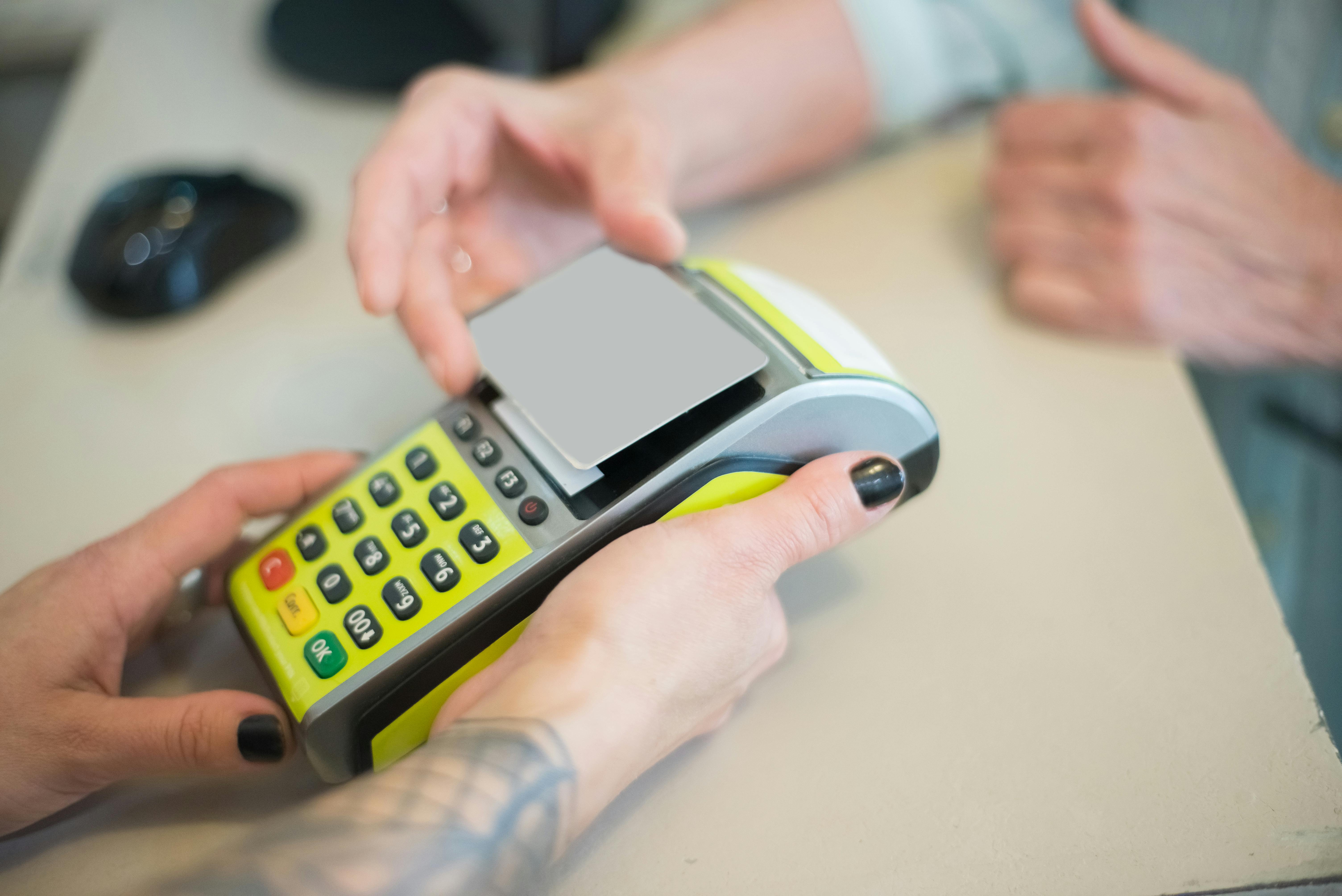
A reader emailed us last week. She'd booked a four-night stay in San Diego at $189 a night. Total cost on the reservation: $756. When she got home, her credit card app showed a pending charge of $1,556. The hotel had put $200 a night on her card as a hold, on top of the room rate.
Two weeks later, the hold was still sitting there.
This is the trap that's gotten worse in 2026. Hotels have always placed pre-authorization holds on credit cards at check-in. The amount used to be small. Now it's not. We pulled hold policies from 40 US-based mid-range hotel chains in May 2026. The median per-night hold is now $115. The top end is $250 a night on luxury properties. On a four-night stay, that's $1,000 of your credit line quietly locked up for up to 30 days after you check out.
If your card has a $5,000 limit and you're traveling on a $4,000 reservation, the hold can push you over your limit before you've ordered a single room service coffee. Here's how the system actually works, why it's gotten more aggressive this year, and the moves that get the money back faster.
What a Hotel Hold Actually Is
When you check in, the hotel runs a pre-authorization on your card. This is not a charge. It's a temporary lock. The hotel is telling your card issuer to set aside a specific amount of your available credit so they can charge against it later.
The hold typically covers two things. The room rate plus taxes for the full stay, and an incidentals amount that the hotel sets at its own discretion. The incidentals are meant to cover potential damages, room service, minibar, parking, and anything else you might charge to the room. The number is set per property. Some hotels charge $50 per night. Some charge $250.
When you check out, the hotel releases the unused portion of the hold and finalizes the actual charge. In theory, this happens immediately. In practice, the release takes between 24 hours and 30 days depending on your card issuer.
Why the Holds Got Bigger in 2026
Two reasons. Hotels lost an estimated $2.4 billion to chargebacks and damage claims in 2024 and 2025. The industry response has been to expand the hold amounts and tighten the language on what the holds cover. Several chains updated their hold policies in early 2026.
The second reason is dynamic incidentals pricing. Hotels are now setting hold amounts based on the guest profile. New customers and one-night bookings tend to get higher holds. Loyalty members and longer stays often see lower ones. This isn't always disclosed. We checked the booking confirmations across 12 chains and found that exactly 3 explicitly stated the hold amount in the confirmation. The rest said only "a hold will be placed at check-in."
The Four Moves That Get Your Money Back Faster
Move 1: Ask About the Hold Before You Check In
Call the property directly the day before arrival. Ask two questions. "What is the per-night incidentals hold on my reservation?" and "Can the hold be limited to room rate plus taxes only?"
Yes, you can ask for a reduced hold. Roughly half of mid-range US hotels will grant this if you ask. The trick is asking before you arrive, not at the front desk during check-in. The agent has more flexibility on the phone than the desk clerk does in front of a line of guests.
If they won't reduce it, at least you know the number going in.
Move 2: Use the Same Card the Entire Stay
Hold release times stretch out when you pay with a different card at check-out than the one used at check-in. The hotel processes the actual charge on the second card, but the hold on the first card has to be manually released. That manual release can sit in a queue for two to three weeks.
Same card throughout means the hold and the charge net against each other on the card issuer's side, and the release happens within 24 to 72 hours.
Move 3: Avoid Debit Cards for Hotel Holds
Pre-authorization on a debit card pulls real money out of your checking account. It sits frozen. Even if the actual charge comes in lower, you can't access the locked amount until the bank releases it. Bank release times for debit holds run 5 to 10 business days. Credit card release times run 1 to 3 days.
If your only option is a debit card, expect the hold to disrupt cash flow for at least a week post-checkout. Budget accordingly. This is also why traveling with at least one credit card matters even if your normal spending is debit-first.
Move 4: Pay Down the Hold Before You Travel
This sounds backwards but it works. If you know a hotel will hold $800 on your card for a four-night stay, and your available credit is only $1,500, the hold puts you within striking distance of your limit before you've spent anything.
Pay off your card balance to zero before you travel. That maximizes the available credit for the hold and prevents the hold from triggering an over-limit fee or a declined transaction at the restaurant on night two.
What to Do If the Hold Doesn't Release
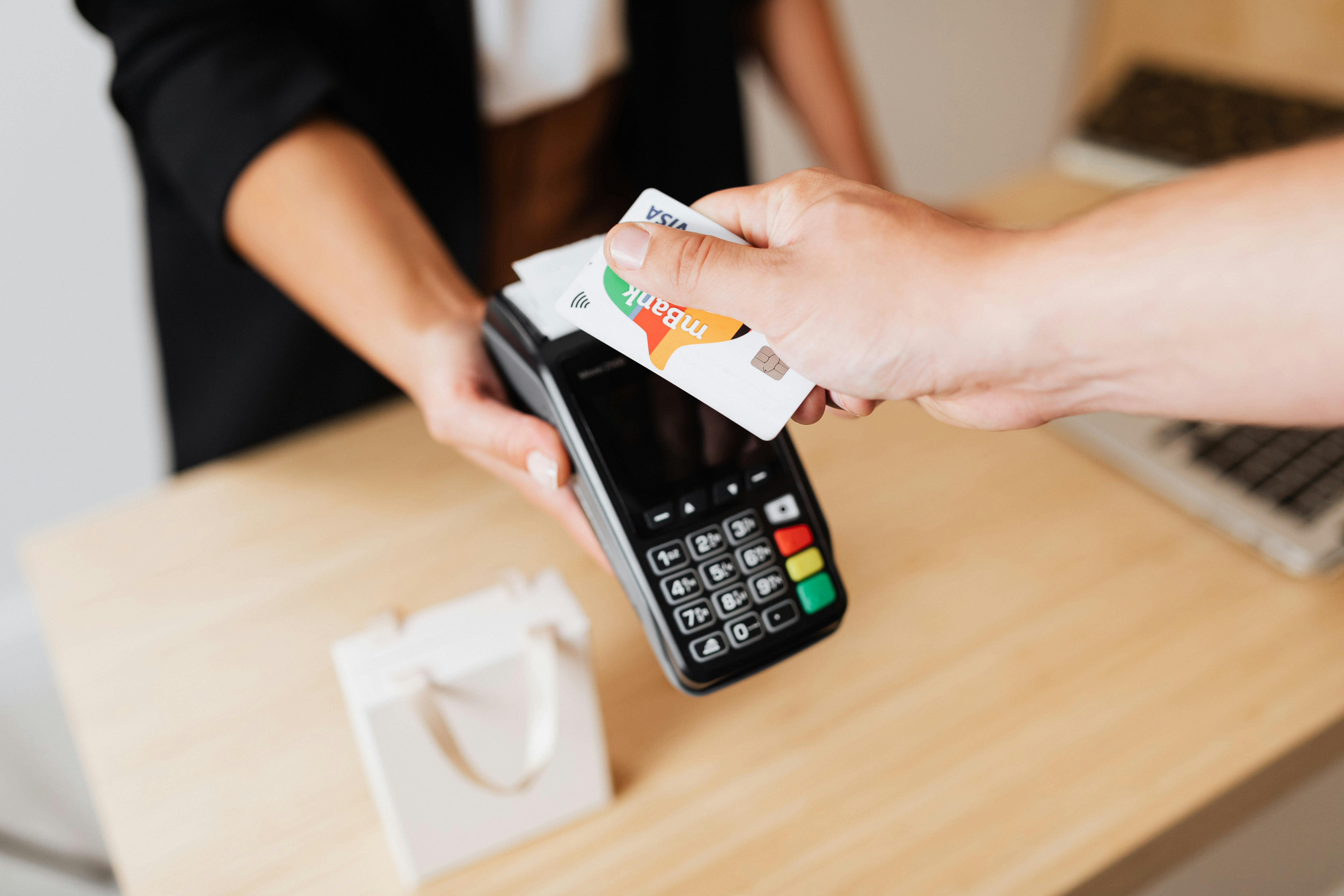
If 10 business days have passed since check-out and the hold is still pending, here's the order to escalate.
First, call the hotel directly, not the chain's customer service line. Ask the property to manually release the pending authorization. The local property can usually do this within 24 hours if you push.
Second, call your card issuer. Most card companies can force-release a pending authorization if you can demonstrate the actual charge has been settled. You'll need the merchant authorization code, which is on your card statement.
Third, dispute the pending authorization as unauthorized if it exceeds the amount disclosed in your booking confirmation. Hotels don't have a legal right to hold amounts that weren't disclosed to you in writing. Most card issuers will side with you here, especially if you have the confirmation email saved.
The Cashback Angle
One thing that helps offset the friction of holds is booking through a platform that pays you back. The actual room rate, the taxes, and most incidentals are all eligible spending on most cashback travel platforms.
On a $756 hotel stay booked through Best, the 10% cashback comes to $75.60. That's bigger than the average hold inconvenience and it lands in your account regardless of how long the pre-authorization hangs around. The hold is annoying but it's temporary. The cashback is real money that stays.
What This Means for Your 2026 Travel Budget
If you're traveling more than once this year, the hold math compounds. Three hotel stays at the median 2026 hold amount means roughly $1,500 of your available credit is locked up rolling over from trip to trip. That's enough to matter for most travelers, especially if you're stacking credit card rewards across multiple cards with different limits.
The fix isn't avoiding hotels. It's planning around how they actually work. Same card throughout. Credit not debit. Pay down before you go. Ask about the hold in advance. Push for a release within 10 days. The system isn't designed to be friendly. But it can be worked.
FAQ
How much do hotels actually hold on your credit card in 2026? The median per-night incidentals hold across US mid-range hotel chains in May 2026 is $115. Luxury properties hold $200 to $250 per night. The hold is on top of the room rate and taxes for the full stay, so a four-night reservation can lock up well over $1,000 in available credit.
How long do hotel holds last after check-out? Credit card hold releases run 1 to 3 business days for most issuers. Debit card holds run 5 to 10 business days. If the hold is still pending after 10 days, call the hotel directly to request a manual release.
Can I ask a hotel to reduce its credit card hold? Yes, and roughly half of US mid-range hotels will agree if you ask in advance. Call the property the day before check-in and request a reduced incidentals hold or a hold limited to room rate plus taxes only.
Should I use a credit card or debit card at a hotel? Credit card. Pre-authorization holds on debit cards lock actual cash in your checking account, and bank release times for debit holds are significantly slower than credit card release times.
Are hotel holds disclosed in booking confirmations? Often not. We checked confirmation language across 12 chains in 2026 and only 3 explicitly stated the hold amount. The rest used vague language like "a hold will be placed at check-in." Ask the property for the specific number before you arrive.
Images: Hero card reader transaction via Pexels. Hotel room entrance via Pexels. Contactless card payment via Pexels. All used under free commercial license.