How to Book a Caribbean Hotel for 50% Off in Hurricane Season 2026 (Without Getting Stuck)
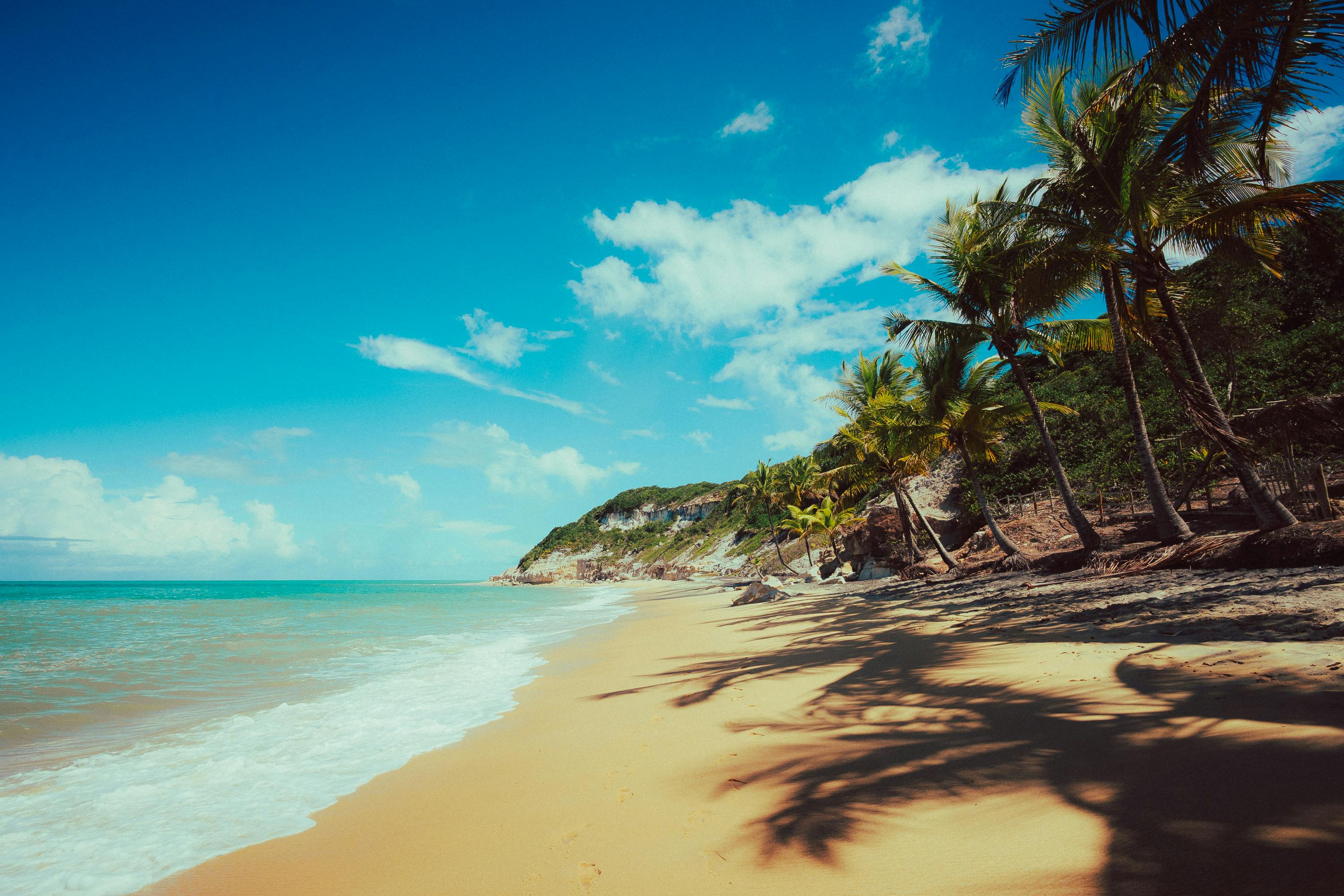
The cheapest time to visit the Caribbean is also the most nerve-wracking. Hotel rates drop 30 to 60% between August and October. Flight prices fall too. The trade-off is hurricane season. The Atlantic basin produces 75% of its hurricanes between mid-August and mid-October. September 10 is the statistical peak.
For 2026, the long-range forecasts are split. A developing El Nino is expected to suppress hurricane formation, with most agencies calling for a near-normal to below-normal season. NOAA's May 2026 outlook estimates 12 to 17 named storms versus a 30-year average of 14.4, with 5 to 9 reaching hurricane strength.
If those numbers hold, this is a workable window to travel the Caribbean for half the price. But "workable" requires planning. Here's how to actually do this without losing your deposit when a storm pivots toward your destination.
The Pricing Window That Matters
Caribbean hotel rates don't drop on a single date. They slide gradually from late June through early September, hit bottom in mid-September, and start climbing again by the third week of October. The deepest discounts cluster in a four-week window from August 25 to September 22.
Specific destination averages for 2026 hurricane season rates versus high season (January through March):
Cancun and Riviera Maya: 40 to 60% off
Dominican Republic (Punta Cana, Puerto Plata): 35 to 50% off
Jamaica (Montego Bay, Ocho Rios): 30 to 50% off
Bahamas (Nassau, Exuma): 25 to 45% off
Aruba and Curacao (outside hurricane belt): 15 to 25% off
Barbados: 20 to 30% off
Puerto Rico: 30 to 45% off
Aruba, Curacao, and Bonaire (the ABC islands) sit south of the main hurricane belt. They get the seasonal price drop without the same storm risk. The trade-off is the savings are smaller and the islands are quieter. For travelers who want the discount but not the meteorological gamble, this is the route.
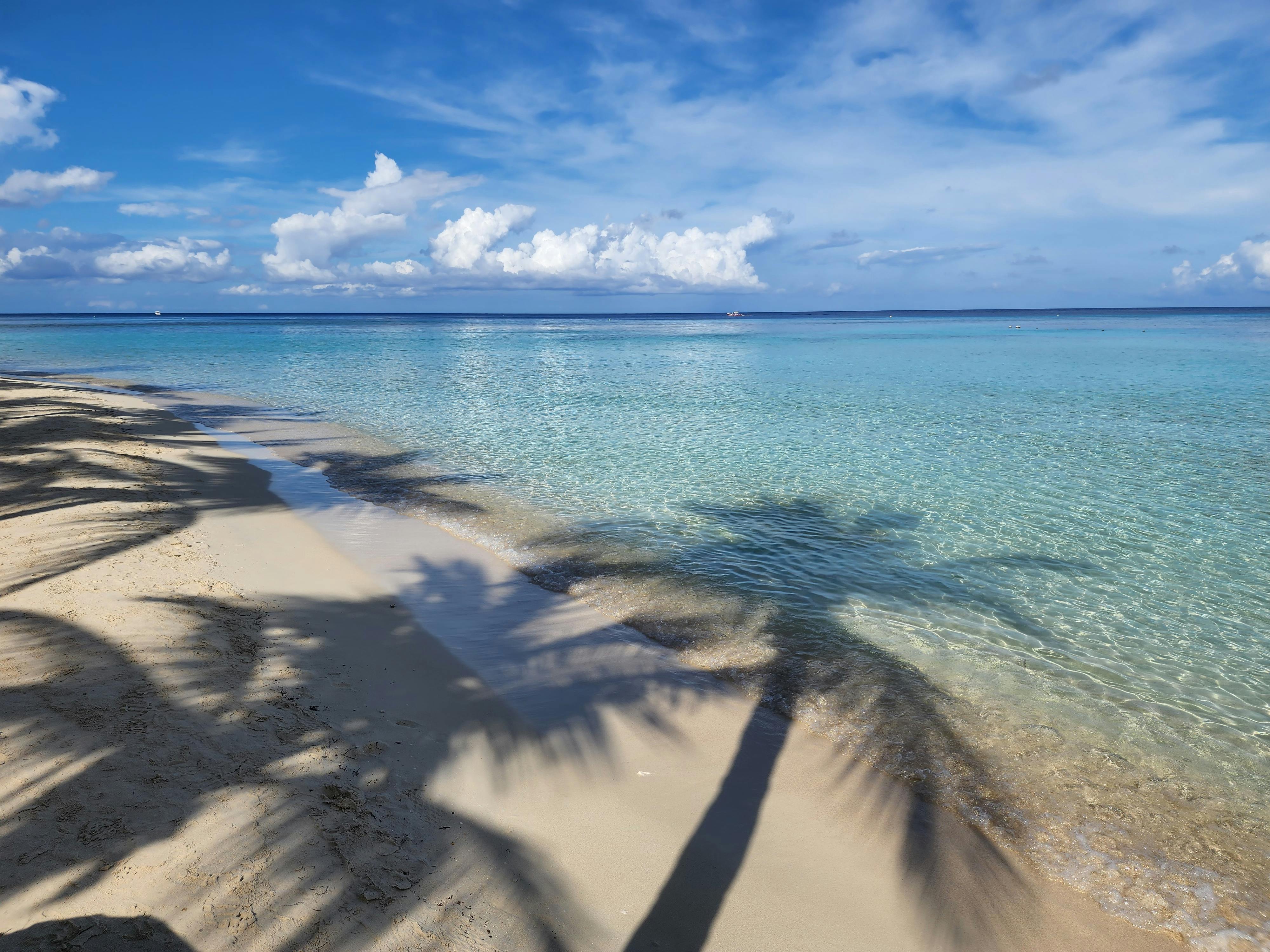
The Booking Rules to Follow
Rule 1: Refundable Rates Only
This is the single most important rule. Non-refundable rates are 10 to 15% cheaper than refundable rates. Almost no one should take that trade during hurricane season. A 12% savings is worth nothing when a Category 2 storm forces you to cancel and your money is gone.
The math is simple. On a $1,000 hotel stay, a non-refundable rate saves you maybe $120. The expected loss from a hurricane-driven cancellation in September on a non-refundable booking is approximately $400 (probability of disruption times cost of full forfeiture). The refundable rate is the rational choice.
Read the cancellation terms carefully. "Free cancellation up to 48 hours before arrival" is the standard. "Free cancellation up to 24 hours" is also workable. Anything longer than 48 hours is a red flag. Some hotels in hurricane season require 5 to 7 days notice, which doesn't help when storms develop in 72 hours.
Rule 2: Travel Insurance That Covers Hurricane Disruption
Even a refundable hotel rate doesn't cover the flight you've booked, the rental car, the pre-paid activities, or the extra hotel nights when the airport closes. Travel insurance with hurricane coverage runs 6 to 8% of your trip cost in 2026 and is worth every dollar in this season.
Three things to check in the policy. Does it cover trip interruption for a named storm? Does it cover trip delay for at least 5 days? Does it cover "cancel for any reason" or only specific named perils? CFAR (cancel for any reason) coverage costs more but is the right call in hurricane season.
Rule 3: Avoid the Peak Three Weeks
If the goal is to capture the discount with minimum storm risk, target the bookends of the cheap window. Late August (before September 10 peak) or the last week of October (after peak, before rates climb). These dates still capture 70 to 90% of the price discount with significantly lower hurricane probability than the September 1 to September 20 window.
Rule 4: Book Through a Cashback Platform
The other 10% you can save during hurricane season comes from booking through a cashback platform. The cashback applies regardless of when you book or what's happening with the weather. On a discounted $800 hotel stay, that's another $80 back. Stack the seasonal discount with the cashback and the effective cost on a normally $1,500 trip drops to $640.
Best gives 10% cashback on hotel bookings, which works the same way on hurricane-season discount rates as it does on peak-season ones.

The Storm Tracking Routine
Once you've booked, set up a basic tracking routine for the 10 to 14 days before your trip.
Check the National Hurricane Center outlook daily starting 14 days out. NHC publishes a 5-day tropical outlook every six hours, and a 7-day outlook every Sunday and Thursday. Both are free and accurate.
If a named storm forms with a projected track within 500 miles of your destination 5 to 7 days out, start watching it daily. Most major hotel platforms allow cancellation up to 48 hours out at no penalty on refundable rates. If a storm's track narrows toward your destination at 72 hours, cancel and rebook. The discount window is wide enough that you can usually shift dates by a week and still capture similar pricing.
If the storm misses, you've cost yourself nothing. If it hits, you've avoided the trip.
What to Do If You're Already There
If a hurricane develops during your trip, the hotel is required by international travel norms (and in most jurisdictions, by law) to either evacuate you, shelter you in place safely, or refund the affected nights. Document everything. Save receipts, screenshots of weather warnings, communication from the hotel and airline. If you have travel insurance, file the claim during the disruption, not after.
Most major Caribbean resorts have hurricane response protocols. Some are good. Some are terrible. Reading recent reviews of the property's hurricane response, especially from September stays in past years, gives you the best signal on what to expect.
Where to Go in 2026 Specifically
Given the El Nino forecast, three destinations stand out for 2026 hurricane season.
Cancun and the Riviera Maya: Largest absolute discounts. Strong hotel infrastructure for storm response. Hotels typically reopen within 48 hours of a storm passing because they have practice. Median nightly rate for mid-range all-inclusive in September: $189.
The Dominican Republic (Punta Cana side): Punta Cana sits on the eastern edge of the Caribbean, often outside the worst hurricane tracks. Resorts are large, well-staffed, and built for the season. Median nightly rate September: $165.
Aruba: Sits south of the hurricane belt. Smaller savings (15 to 25%) but significantly less storm risk. Median nightly rate September: $245.
The Honest Trade-Off
Hurricane season Caribbean travel saves you money. It also introduces uncertainty. For travelers with flexible jobs, no school-age kids, and the ability to shift dates on short notice, the math is excellent. For travelers with rigid schedules and high stress around weather disruption, the savings probably aren't worth it.
The trick isn't avoiding the season. It's accepting the trade-off, building the right protections (refundable rates, CFAR insurance, cashback booking), and treating the storm watch as part of the planning rather than a surprise. Done that way, hurricane season Caribbean is the best value travel in the western hemisphere.
FAQ
How much do Caribbean hotel rates drop during hurricane season 2026? Rates drop 30 to 60% in most destinations. Cancun and the Riviera Maya see the steepest discounts at 40 to 60% off. The Dominican Republic, Jamaica, and Puerto Rico see 30 to 50% off. The ABC islands (Aruba, Curacao, Bonaire) see smaller 15 to 25% discounts but sit south of the main hurricane belt.
When is the cheapest time to visit the Caribbean in 2026? The deepest discount window runs from August 25 to September 22. Rates start sliding in late June, bottom in mid-September, and start climbing again by late October.
Should I book refundable or non-refundable rates during hurricane season? Always book refundable rates in hurricane season. Non-refundable rates save 10 to 15% but the expected loss from a hurricane-driven cancellation is much higher. Look for free cancellation up to 48 hours before arrival.
Which Caribbean destinations are safest from hurricanes? Aruba, Curacao, and Bonaire (the ABC islands) sit south of the main Atlantic hurricane belt and rarely see direct hurricane impacts. They offer the cleanest combination of seasonal price discount and storm safety.
Do I need travel insurance for a Caribbean hurricane season trip? Yes. Travel insurance with hurricane coverage runs 6 to 8% of trip cost in 2026. Look for policies that cover trip interruption for named storms, trip delay of at least 5 days, and ideally include CFAR (cancel for any reason) coverage.
Images: Hero tropical beach via Pexels. Calm tropical beach via Pexels. White sand Caribbean beach via Pixabay. All used under free commercial license.