Italy's New 2026 Tourist Rules: What They Change for Booking Hotels in Rome, Venice, and Florence
Venice access fee, Rome short-term rental crackdowns, and updated tourist taxes. What Italy 2026 actually changes for hotel bookings.
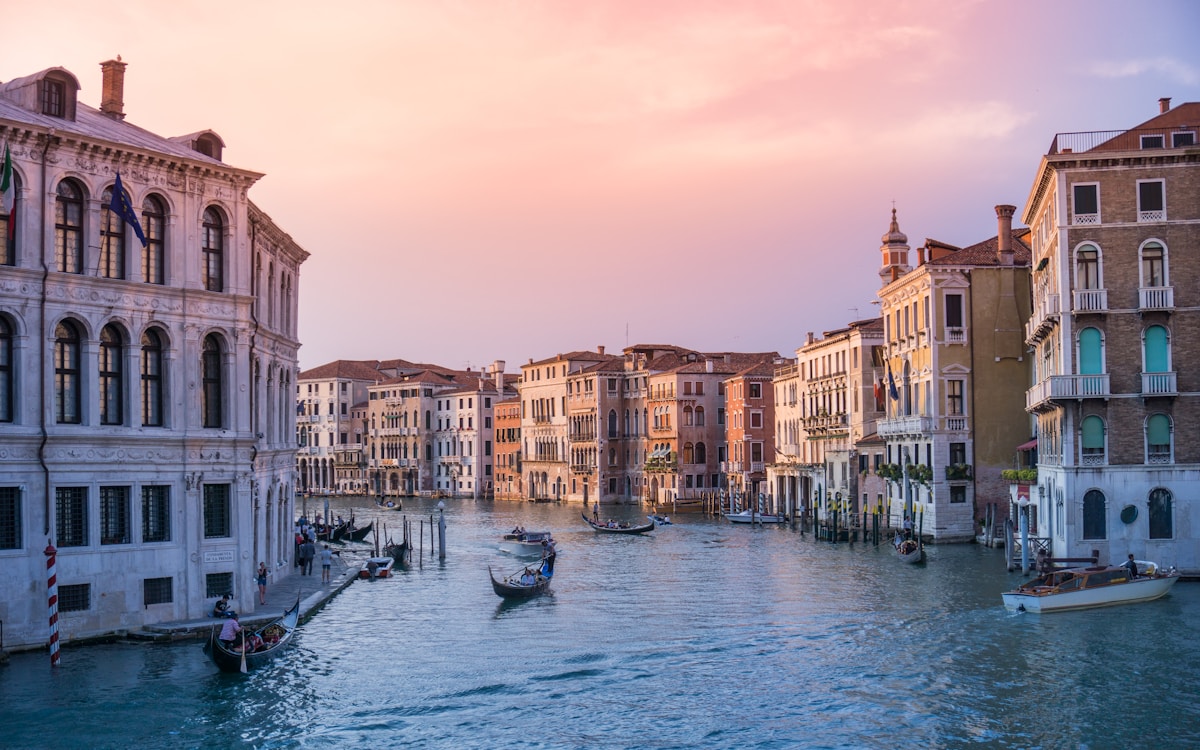
Italy spent the spring quietly rewriting the rules for the cities most travelers actually want to visit. Venice's day-trip access fee is now permanent and runs through July 27, 2026. Tour groups across the city are capped at 25 people. Loudspeakers are banned. Rome and Florence have rolled out new short-term-rental registration rules with real penalties. The headlines made it sound chaotic. The reality is more practical, and most of it actually helps anyone booking a hotel.
We've been tracking these changes since they were announced. Here's what's live, what costs what, and how it changes your booking math for the rest of the season.
Venice's day-trip fee is now permanent
The €5 access fee is in effect on 60 days between April 18 and July 27, 2026, mostly weekends and holidays. Book at least four days ahead and it stays €5. Book later and it doubles to €10. The fee only applies to day-trippers who arrive between 8:30am and 4pm without a hotel booking inside the historic center. Overnight guests with a valid hotel reservation are exempt automatically.
That last point matters more than the price. If you're staying at a Venice hotel for at least one night during the access-fee window, you skip the fee entirely. The hotel registers your stay with the city's tax system, and the platform Venice uses to enforce the fee pulls that data. No extra paperwork on your end.

The other Venice rule that catches travelers off-guard is the group cap. Tour groups are now limited to 25 people, down from the 50-plus crowds that used to clog the streets near Piazza San Marco. Guides can't use loudspeakers anymore. Fines for violations run up to €350. If you booked a group tour through a major operator, the company has almost certainly already restructured. If you booked through a smaller operator, double-check before you arrive.
Rome's short-term rental crackdown is the bigger story
Rome quietly enforced a new short-term-rental registration system this spring. Every property listed on Airbnb, Booking.com, or any other platform now needs a CIN (Codice Identificativo Nazionale) and a SCIA license. Hosts have to check guests in person and verify ID. Unlicensed properties face fines of €5,000 per booking.
For travelers, that means two things. Listings without a visible CIN number are now risky. Cancellations from non-compliant hosts have spiked since March. And in practice, hotels have started looking like the safer option in Rome's center, especially for summer dates when last-minute reshuffling costs you double.
Rome hotel rates in the historic center sit around €180 to €260 per night for mid-range properties through July, with August dipping slightly because business travel slows. Booking through Best gives you 10% cashback on that nightly rate, which on a four-night Rome trip is around €60 to €100 back in your account.

Florence is following Rome's lead
Florence's city center has been almost entirely closed to new short-term rental licenses since 2024. The rules tightened again this spring. Existing licenses are being audited. Any property without complete documentation is being delisted. Several hundred Airbnb listings disappeared from Florence between February and April 2026.
What does this mean for your trip? Florence hotel inventory in the historic center is tight. Average rates for mid-range hotels run €170 to €240 per night in June and July. The Oltrarno neighborhood across the Arno still has reasonable rates around €140 to €180 for boutique properties, and it's a 12-minute walk to the Duomo. That's our usual recommendation. Tourist-thick on the north side, calm and local on the south.

The tourist tax math for summer 2026
Italian cities have layered city tourism taxes on top of room rates for years. The numbers shifted again in January 2026. Here's what hotel guests actually pay per person, per night, on top of the room rate.
Rome charges €4 to €10 per person per night depending on the hotel category. A 5-star stay in Rome adds €10 per person nightly. Two adults for four nights at a 5-star property is €80 in city tax alone, billed separately at checkout.
Venice charges €1 to €5 per person per night depending on the category and season. A mid-range Venice hotel adds about €4 per person nightly in peak season. Two adults for three nights is €24.
Florence charges €4.50 to €8 per person per night by category. The city raised the top rate by 60 cents this January. A 4-star stay is €6 per person nightly. Two adults for four nights is €48.
None of this is hidden. It just doesn't appear in the headline room rate you see when you're booking. Always add it to your total when comparing options.
How this changes the booking calendar
Three patterns are showing up in the data we track. Hotels in Venice's historic center are filling earlier than usual because day-trippers facing the access fee are extending into overnight stays. June and early July weekends are 30-40% booked already at most mid-range properties. Last year at this point, June was around 25%.
Rome and Florence hotels are seeing displaced Airbnb demand. Travelers who would have booked a rental are switching to hotels because they don't want to risk a delisted property. That's pushing prices up around 8-12% year-over-year for the same week, even though general hotel demand for Italian summer travel is roughly flat.
The smart move is locking dates earlier than you usually would. We'd recommend booking Italy summer trips by mid-June at the latest if you're traveling in July or August. After that, refundable-rate inventory dries up and you're stuck with non-refundable bookings that can't bend if your plans change.

What still works in Italy this summer
None of these rules ruin Italy. They mostly affect how you book, not what you do once you're there. Venice is calmer with the group caps. Rome's short-term rental crackdown is shifting demand into hotels but doesn't change the city itself. Florence's center is the same.
A few practical moves we'd make this summer. Book hotels in the historic center if you can, because they cleanly bypass Venice's access fee and the Rome/Florence short-term rental risk. Travel midweek if you can flex dates. Hotel rates drop 15-20% Sunday through Wednesday compared to Thursday through Saturday in all three cities. Avoid August 10 to 20, which is Italy's national holiday window. Most local restaurants close and the cities are running on tourists alone, which is exactly the experience nobody wants.
If you're booking, Best gives you 10% cashback on hotel stays across Italy. On a typical week-long Italy trip with €1,200 to €1,800 in hotel costs, that's €120 to €180 back. Worth checking against whatever rate you're seeing elsewhere.
Frequently asked questions
Does the Venice access fee apply if I have a hotel booking?
No. Anyone with a confirmed overnight stay inside the historic center is exempt. Day-trippers staying outside Venice (on the mainland or in nearby towns) do pay the fee on the 60 designated days between April and July 2026.
Can I still book Airbnb in Rome or Florence?
Yes, but only properties with a visible CIN (Codice Identificativo Nazionale) on the listing. Properties without a CIN are at risk of being delisted and your booking could be cancelled. Always verify the CIN before booking and screenshot the listing.
How much is the Italian city tourism tax?
It varies by city and hotel category. Rome: €4 to €10 per person per night. Venice: €1 to €5 per person per night. Florence: €4.50 to €8 per person per night. The tax is paid at checkout and is separate from the room rate.
Is it still worth visiting Italy this summer with all these new rules?
Yes. The rules mostly affect day-trippers and short-term rental users. Overnight hotel guests barely notice the changes. The cities are quieter at peak hours thanks to the new group caps, which is actually a small upgrade for everyone.
When should I book my Italy summer trip?
For July or August 2026 travel, lock dates by mid-June at the latest. Refundable inventory at reasonable rates disappears fast after that. June travel should be booked at least three weeks ahead for the same reason.
Images: Hero by Canmandawe. Venice canal by Damiano Baschiera. Rome rooftops by Caleb Miller. Florence Duomo by Samual lim. Venice aerial by Henrique Ferreira. Via Unsplash and Pexels, used under license.