Italy Beyond Tuscany: The Regions Worth a Slower Trip
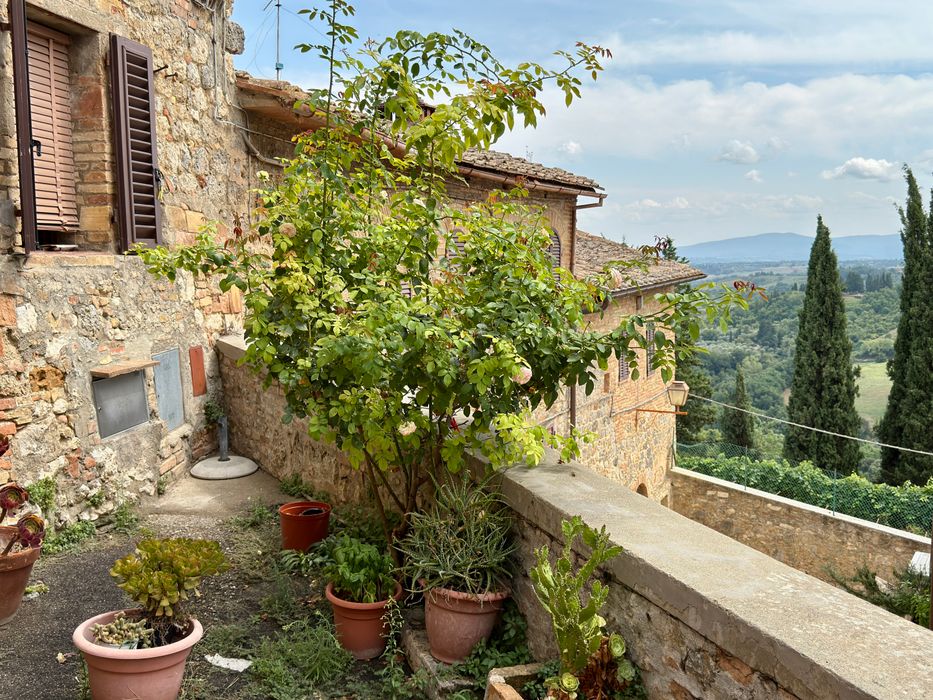
Search interest in slow travel Italy jumped 100% in the past month. That's not a coincidence. Travelers who've been to Rome and Florence are looking for the next thing, and Italy has more to offer than those two cities can contain.
The regions that reward slower travel — more days, fewer kilometers covered — are the ones most American tourists miss. Umbria, Puglia, and Piedmont aren't secrets. But they're far less visited than Tuscany and Rome, and in 2026, that gap is a genuine opportunity.
Here's what each region is actually like, what it costs to stay there, and why the slower approach pays off in places like these.
Umbria: Italy's Green Heart, With Almost No Crowds
Umbria sits directly east of Tuscany. It shares the rolling hills and medieval towns, but draws a fraction of the visitors. The reason is mostly geography: there's no single anchor attraction the way Florence anchors Tuscany. Umbria rewards people who want to wander.
Spoleto is a good base. The city climbs a hillside above the Spoleto Valley, and it has a Roman aqueduct, a 14th-century fortress, and more trattorias per square kilometer than any place that small has a right to. Hotel rates run $80 to $140 per night for good mid-range properties. In high summer (July and August), book early.
Norcia, further east in the Valnerina, is famous for its cured meats and black truffles. The town was partially damaged by the 2016 earthquake, but it has rebuilt and is worth visiting. The surrounding mountains and rivers make it one of the best bases for outdoor activity in central Italy.
Montefalco produces Sagrantino, one of Italy's more serious red wines. The town itself is small enough to walk across in 20 minutes. Sitting on a hillside with a glass of local wine and a view of the valley below is exactly the kind of thing you flew to Italy for. Almost no one else is there.
Puglia: The Italy That Feels Like 20 Years Ago
Puglia is the heel of Italy's boot. It has been written about enough that it isn't undiscovered, but its size and geography mean that visitor concentration stays low relative to the Amalfi Coast or Cinque Terre.
The trulli of Alberobello are the signature image: those whitewashed stone houses with conical roofs scattered across the Valle d'Itria. It's a UNESCO World Heritage Site. It's also genuinely beautiful in a way that photographs don't fully capture. Staying in a converted trullo runs $100 to $200 per night for a private rental, less for hotel rooms in Alberobello or nearby Locorotondo.
Ostuni, the white city on the hill, has better dining than its size suggests and is a calmer alternative to Alberobello for a base. Lecce, further south, is often called the Florence of the south for its elaborate Baroque architecture, though the comparison undersells it. Lecce is its own thing, and it's excellent.
The Adriatic coast in Puglia has clear water and beaches that wouldn't look out of place in Greece. Otranto is worth the drive south. The old town sits behind Aragonese castle walls, and the cathedral has one of the most extraordinary medieval mosaic floors in Europe.
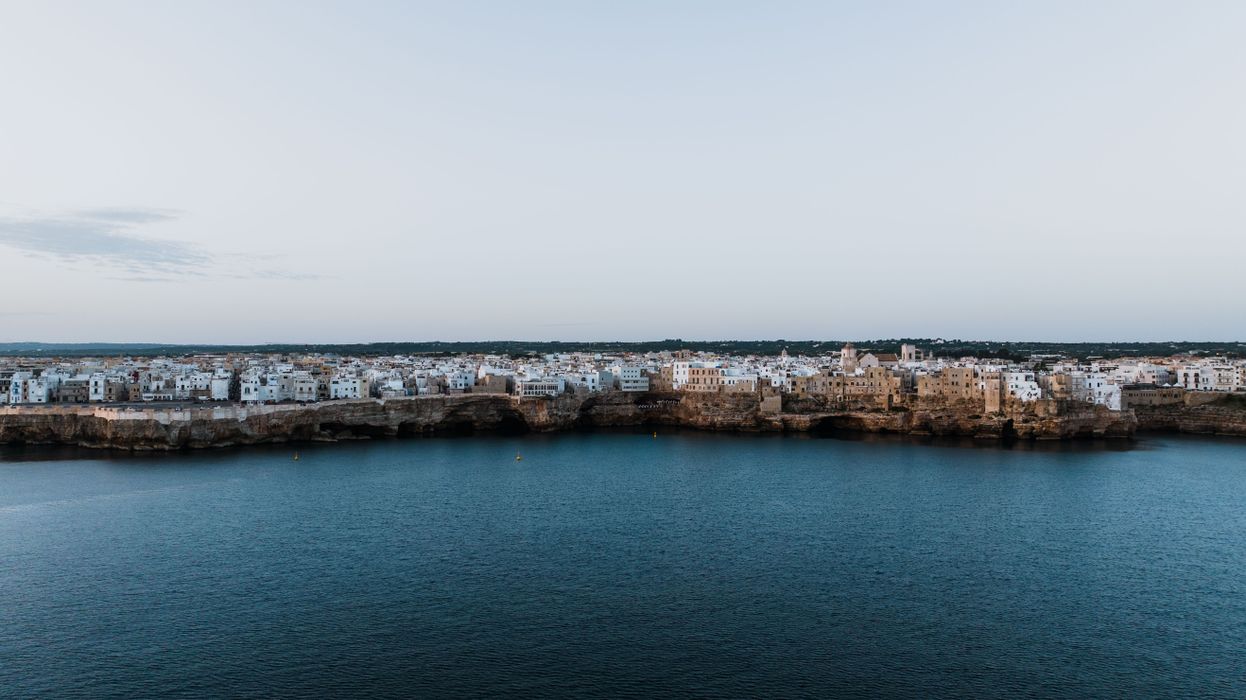
Piedmont: For Food and Wine Travelers
Piedmont is in northwest Italy, bordering France and Switzerland. It doesn't get the same tourist traffic as the south or Tuscany. What it gets is a very specific kind of traveler: someone who came for the wine and the food and is perfectly happy spending a week not doing very much else.
The Langhe region is a UNESCO World Heritage site and produces some of Italy's finest wines: Barolo and Barbaresco from the Nebbiolo grape, Barbera d'Asti, and Moscato d'Asti. The towns of La Morra, Barolo, and Serralunga d'Alba are all within a few kilometers of each other, set among vineyard-covered hills.
Alba hosts the famous white truffle fair from October through December. Truffles in season command extraordinary prices, but the town itself is worth visiting year-round. The Langhe hills around it are beautiful in every season, including the stripped-back months of late winter when the rows of vines are bare and the light is flat and gray.
Hotel rates in Piedmont tend to be slightly higher than Umbria or Puglia for comparable quality, largely because the wine-focused tourism has brought boutique properties with serious kitchens. Expect $120 to $200 per night at good agriturismi or hotel options in the Langhe.
What to Know Before You Book
All three regions are best accessed by car. Train connections exist, but the towns worth visiting are often several kilometers from the nearest station. Renting a car for a week in Italy is straightforward and opens up itinerary flexibility that's impossible otherwise.
Italian hotel pricing in these regions is seasonal. Spring (April to June) and fall (September to October) are the best combinations of weather and price. July and August bring Italian domestic tourists and slightly higher rates. Winter is the cheapest and, in Piedmont especially, can be the most atmospheric.
If you're booking hotels across a multi-region trip, Best (best.so) gives you 10% cashback on every hotel. Over a 10-night trip across Umbria and Puglia, at an average of $120 per night, that's $120 back. Worth booking in one place rather than hunting rates across four different sites.
Frequently Asked Questions
What's the best region in Italy for slow travel? Umbria and Puglia are the two standout answers, depending on your interests. Umbria is better for hiking, medieval towns, and wine. Puglia is better for coast, beaches, and distinctive architecture. Both reward more days spent in fewer places.
Is Tuscany worth visiting in 2026? Yes, but the crowds in Florence and the Val d'Orcia are significant in summer. If you're going to Tuscany, consider basing in smaller towns like Montalcino or Cortona rather than Florence, and explore from there.
How much does a hotel cost in Puglia? Mid-range hotels and boutique properties in Puglia run $90 to $160 per night. Converted trullo rentals in the Valle d'Itria run $100 to $200. Budget options and agriturismo stays can be found from $60 per night in shoulder season.
When is the best time to visit Umbria? Late April to June and September to October are both excellent. The wildflowers in spring and the harvest atmosphere in fall each have advocates. July and August are the most crowded and hottest. November through March is quiet and cold but has its own appeal.
Images via Pexels, used under license.