48 Hours in Lisbon: Skip Alfama, Stay in Mouraria

Every Lisbon guide tells you to stay in Alfama. Cobblestone alleys. Fado music drifting out of windows. The Castle of São Jorge above. It's all true. It's also become the most aggressively gentrified neighborhood in the city, with half the apartments converted to short-term rentals, restaurants pricing for tourists, and the famous evening tram packed shoulder-to-shoulder by 7 p.m.
Locals don't go to Alfama anymore. They go to Mouraria, the historic neighborhood right next door. Same hills. Same tile-fronted buildings. Same fado heritage. A fraction of the tourists, half the prices, and the actual feeling of being in Lisbon instead of in Lisbon's TripAdvisor reviews.
Here's the 48-hour version of Lisbon that gets you the city locals still recognize.
Why Skip Alfama
Alfama isn't bad. It's just no longer what travel guides describe. The neighborhood has been transformed by tourism over the past decade. Local authorities and private investors have gentrified the historic quarter aggressively. Entire apartment blocks have flipped to short-term rentals. Long-term residents have been priced out at scale. The Fado clubs are still there, but the audience is mostly tourists and the prices have climbed accordingly.
The neighborhood still photographs beautifully. The actual experience of walking through it has become much more touristy and much less authentic. You can spend a full day in Alfama and only hear English, German, French, and Italian on the streets.
Why Mouraria Is the Better Base
Mouraria is Lisbon's most underwritten neighborhood. It's the historic Moorish quarter, technically older than Alfama, and it sits on the same hillside under the castle. The architecture is identical. The streets are just as steep, just as narrow, just as tile-clad.
What's different. Mouraria has resisted gentrification. Long-term Portuguese residents still live there. A genuine immigrant community from West Africa and South Asia has layered onto the old Portuguese fabric, and the result is a multicultural neighborhood with grocery stores, tea houses, family restaurants, and a low-key creative scene that hasn't been packaged for visitors yet.
Fado was actually born in Mouraria. The famous Casa da Severa, where one of the genre's foundational singers lived, sits on a Mouraria square. The neighborhood still has Fado venues that locals patronize at prices Alfama abandoned years ago.

Where to Stay in Mouraria
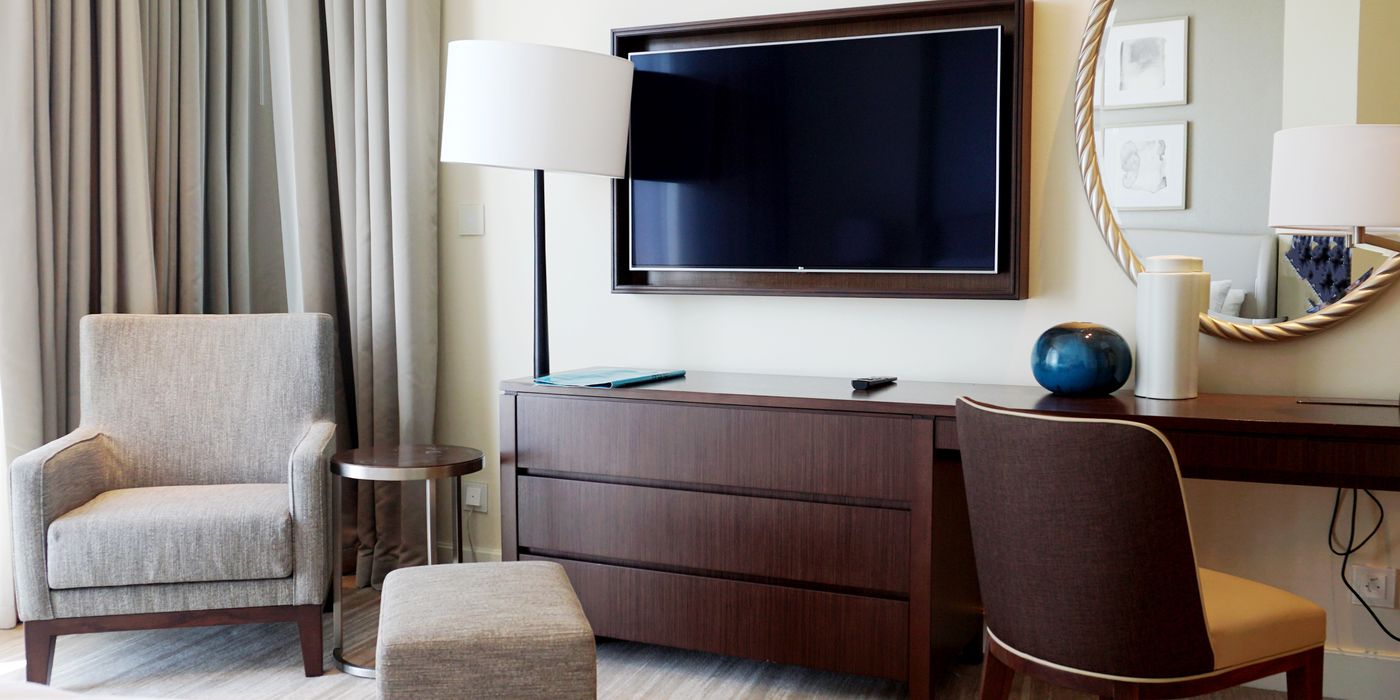
Hotel inventory in Mouraria is thinner than in Alfama, which is part of the appeal. The properties that do exist are mostly small boutique hotels and guesthouses, family-run, with character.
Expect to pay 90 to 160 euros a night for a comfortable boutique hotel in shoulder season, climbing to 180 to 250 euros in summer peak. That's 30 to 40 percent below comparable Alfama properties. The savings buy you exactly what you came for: a real Lisbon neighborhood.
One caution. Mouraria's back streets get quiet after dark, and there is some street-level drug activity in the deeper parts of the neighborhood. The main streets and the area around Largo do Intendente are fine. Pick a hotel near the main squares rather than deep in the alleys if you're new to the area.
The 48-Hour Plan
Day One Morning
Start at Largo do Intendente, the central square that anchors the modern Mouraria. Coffee at Casa Independente, the bar that anchored the neighborhood's quiet renaissance in the early 2020s. Walk up through Rua do Capelão, the steep alley that locals call the spiritual home of Fado, past the small Severa statue.
From there, climb to São Jorge Castle. The castle is in Mouraria, technically, though the tourist crowds funnel up from Alfama. Skip the long Alfama route. Take the back staircases from Mouraria, which are quieter, more scenic, and end at the same gate.
Day One Afternoon
Lunch at Zé da Mouraria, a no-frills tasca that locals have eaten at for decades. Order whatever the daily menu lists. The bacalhau is the move. Lunch will run you 15 to 20 euros including a glass of wine.
Walk down to Praça Martim Moniz, the multicultural square at the foot of the neighborhood. The market stalls here run the gamut of Lisbon's immigrant cuisines. Pick up something for an afternoon snack and ride Tram 28 from Martim Moniz back up through the city. Catch it at the start of the line and you'll get a seat. The same tram, boarded in Baixa, will leave you standing in a sweaty crush.

Day One Evening
Skip the touristy Fado houses in Alfama. Mouraria's Maria da Mouraria or Tasca do Chico in nearby Bairro Alto both run real Fado nights. Cover charges are 15 to 25 euros plus a meal. Reserve. The seats fill quickly and walk-ins get turned away.
Day Two Morning
A pastel de nata at Manteigaria. Yes, there's the Belém shop too. Manteigaria's are arguably better and you don't have to take a tram out to a tourist district to get one.
Spend the morning in Príncipe Real, the residential neighborhood west of downtown. Independent boutiques, antique stores, a botanical garden. The Sunday flea market in nearby Anjos is one of the best in the city if your trip lands on a weekend.
Day Two Afternoon
Hop the train from Cais do Sodré to Belém. Yes, the original pastel de nata at Pastéis de Belém. Yes, the Jerónimos Monastery. These are the genuinely tourist things in Lisbon worth doing. Plan two hours, in and out, then back to the city for the late afternoon.
Late lunch or early dinner at Time Out Market on the way back. It's touristy. It's also genuinely good for a quick sample of Lisbon food without committing to a full sit-down meal.

Day Two Evening
End at Park Bar, a rooftop hidden inside a parking garage in Bairro Alto. The view across the city to the Tagus is genuinely the best in Lisbon, and the bar is full of locals and visitors who know better than to crowd into the more famous São Pedro de Alcântara viewpoint.
What It Costs
A boutique hotel in Mouraria for two nights in shoulder season: 200 to 320 euros total. Dinner at two solid local restaurants: 90 to 120 euros for two. Coffee, pastries, Fado cover, transport, and miscellaneous: another 100 to 150 euros. A real 48 hours in Lisbon, for two people, comes in around 400 to 600 euros excluding flights. That's roughly two-thirds of what the same trip in an Alfama hotel and tourist-priced restaurants would cost.
Book through Best and get 10 percent cashback on the hotel portion. On a 300-euro hotel stay, that's 30 euros back. Enough for a real Fado night and a glass of wine.
Frequently Asked Questions
Is Mouraria safe for tourists?
The main streets and squares are fine. Largo do Intendente, Martim Moniz, and the climb up to the castle are well-trafficked and safe day or night. Deeper alleys can be quiet after dark and there is some drug activity in the back streets. Stick to the main areas at night if you're new to the neighborhood.
How do I get to Mouraria from the airport?
The metro red line connects the airport to Saldanha or to Alameda, where you can switch to the green line for Martim Moniz. Total time is about 30 minutes for 1.65 euros. Taxi is 12 to 18 euros and faster outside rush hour.
Is Alfama or Mouraria better for a first-time visitor?
Mouraria gives you the architecture and history of Alfama with fewer tourists and lower prices. For a first-time visit focused on experiencing Lisbon, Mouraria is the better base.
When is the best time to visit Lisbon?
Late April through early June and mid-September through October. Warm but not hot, low rain, and prices well below July and August peaks.
Do I need to speak Portuguese in Lisbon?
No. English is widely spoken in tourist-facing situations. A few words of Portuguese (bom dia, obrigado, por favor) goes a long way in Mouraria where the population is more mixed and less English-default than central Lisbon.
Images: Lisbon and Portugal photography via Unsplash and Pexels, used under license.