Why Hotel Breakfast Costs $35 (And When the Buffet Is Actually Worth It)
The $35 hotel breakfast costs the hotel under $5 in food. Here's when the buffet is actually a smart trade.
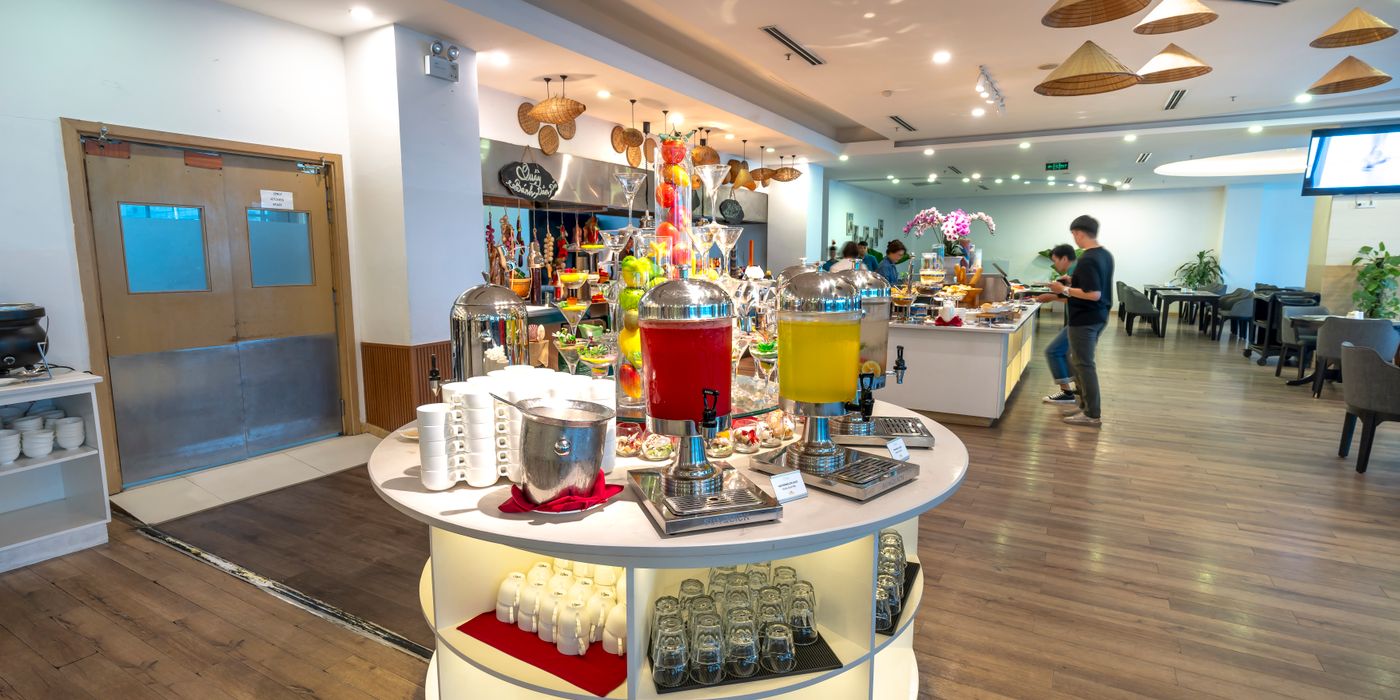
You check in at 4 PM. The desk agent slides over a card that says breakfast is included for 35 dollars per person added to the room rate. Or you can skip it and pay 28 a la carte in the morning. For a couple over three nights, that's a 210 decision being made at the desk after a flight.
Most travelers say yes. We did the math on whether that's actually a good trade.
The Margins Behind That 35 Dollar Number
Hotel food and beverage operations run on margins of 60 to 75 percent on the menu side. The buffet itself is even higher because the food cost per guest is structured around a low utilization assumption. Most hotels budget breakfast at a food cost of roughly 8 to 12 percent of the menu price.
What that means in practice. The 35 dollar buffet costs the hotel between 2.80 and 4.20 in actual food per guest. The rest is labor, overhead, and margin. Most of it is margin.
This isn't a hotel doing something wrong. It's how F&B has always worked, in hotels and out. Restaurant food costs run 28 to 35 percent of menu price. Hotels operate at a much higher markup because the captive audience is paying convenience, not commodity, pricing.

The European Math Is Different
European hotel breakfast benchmarks run 22 to 42 euros per person. Sounds similar to US pricing but the value calculation is different.
Three reasons. European breakfasts are typically larger and more complete. The cured meats, cheese, fish, and pastry selection at a mid-range European hotel buffet often exceeds what's at a 35 dollar US hotel buffet. Second, European cafes outside the hotel are cheaper. A cafe breakfast for two in Lisbon runs 14 to 18 euros total. In a comparable US city it's 35 to 50. The "skip the hotel and eat out" math has a wider margin in the US.
Third, European hotels include breakfast at lower rates more often than US hotels do. You'll see breakfast included as standard at three and four-star properties in Italy, Spain, Portugal, and Germany at room rates where it would never be bundled in the US.
When the Buffet Is Actually Worth It
The hotel breakfast trade is rarely a good deal in pure dollars per calorie. It's a good deal in three specific scenarios.
Conference and business travel. If you have a 7:30 AM meeting and the hotel is filled with people on the same schedule, the breakfast buffet exists to move people through fast. Quality food, fast turnover, no waiting for a check. Paying for that is paying for time, not food. Usually worth it.
Hotels in destinations with limited breakfast options nearby. Resort properties, remote inns, or rural hotels often don't have walkable alternatives. Driving to find breakfast eats more than the buffet markup.
When breakfast is built into a corporate rate or loyalty status. If your employer covers it or your platinum status includes it, the marginal cost is zero. Eat well.
When to Skip It
Most leisure travel in cities. Especially in cities with strong cafe and bakery cultures. Lisbon, Paris, Tokyo, Mexico City, Barcelona, and most of Italy all have better breakfast options at a quarter the price within 10 minutes of any hotel.
Single-night business travel where breakfast isn't a calculated time-saver. The buffet is rarely cheaper than grabbing coffee and pastry on the walk to wherever you're going.
Family travel. The math gets brutal fast. A family of four at 28 to 35 dollars each is 110 to 140 a day in breakfast. Over a five-day trip, that's 550 to 700. The same family at a local cafe averages 35 to 50 dollars total per breakfast.

The "Free Breakfast" Trap
Some hotel rates bundle breakfast as included. These typically run 25 to 45 dollars per night above the no-breakfast rate. The hotel's marketing language calls this "included." It is not free. It is sold to you at a markup just like the standalone buffet.
How to figure out if the included breakfast is worth it. Compare the bundled rate to the room-only rate on the same dates. If the difference is more than 25 per person per day, you're paying full retail for the buffet through your room rate. If it's under 15, the hotel is using breakfast as a perceived-value boost and the math actually works in your favor.
This is particularly worth checking at higher-end chains where bundled rates show up frequently. The Hyatt and Marriott bundles in Europe sometimes price breakfast at 10 to 12 euros per person, well below buffet retail. Those are real deals. The same chains in the US often bundle at 25 to 30 per person, where the math is much worse.
The Hidden F&B Charges to Watch
Beyond the breakfast question, hotels generate F&B revenue through several other channels. Most travelers don't track them.
Minibar markups run 200 to 400 percent above retail. A bottle of water that costs 1.50 in any store is 7 to 10 in the room. The same Snickers bar is 6 to 8 dollars.
Lobby coffee from chain hotels is typically 5 to 7 for an Americano that would be 3.50 across the street. The convenience is real if you have a 6 AM departure. It's not real if you have time to walk a block.
Resort dining captive markups are the most aggressive. All-inclusive resorts and resort destinations price restaurant food at 50 to 80 percent above urban equivalents because the alternative is leaving the property. If you're at a resort and have transportation, eating outside the gates often cuts food costs by half.
How This Connects to Booking Strategy
The cheapest way to handle hotel breakfast is to treat it as a separate decision from the room. Book the room at the lowest reasonable rate. Decide on breakfast each morning based on what the hotel actually offers, what's nearby, and how rushed you are.
The trap is bundling breakfast into the room rate at check-in. That decision is locked in for the whole stay even if you skip three of five mornings.
When you book through Best, we return 10 percent cashback on the room rate. That cashback can offset roughly one paid hotel breakfast for two over a typical four to five night stay. Worth remembering when you're doing the buffet math at the front desk.
FAQ
Why is hotel breakfast so expensive? Hotel F&B operates at 60 to 75 percent margins on the menu side and breakfast buffets have food costs of only 8 to 12 percent of the price. The rest is labor, overhead, and profit.
Is hotel breakfast ever a good deal? Yes, when it saves time on business trips, when there are no nearby alternatives at resort properties, or when included as part of a corporate rate or loyalty benefit.
Should I book a rate with breakfast included? Compare the bundled rate to the room-only rate. If the per-person price is under 15, it's a real deal. If it's over 25, you're paying retail buffet pricing through your room.
How much does a typical hotel breakfast cost in 2026? US hotels charge 25 to 45 dollars per person for breakfast buffets. European hotels charge 22 to 42 euros per person, often with included options at lower rates.
What's the cheapest breakfast option when traveling? Local cafes and bakeries within walking distance of most hotels are 60 to 75 percent cheaper than the hotel buffet and typically higher quality.
Images: Hero buffet via Pexels. Breakfast spread via Pixabay. All used under their respective free licenses.



