World Cup 2026 Host City Hotel Prices Are Already Dropping. Here's Where the Cuts Are Real.
Hotel rates in six World Cup host cities are down 18-34% from peak. The story behind the drops and how travelers can use them.
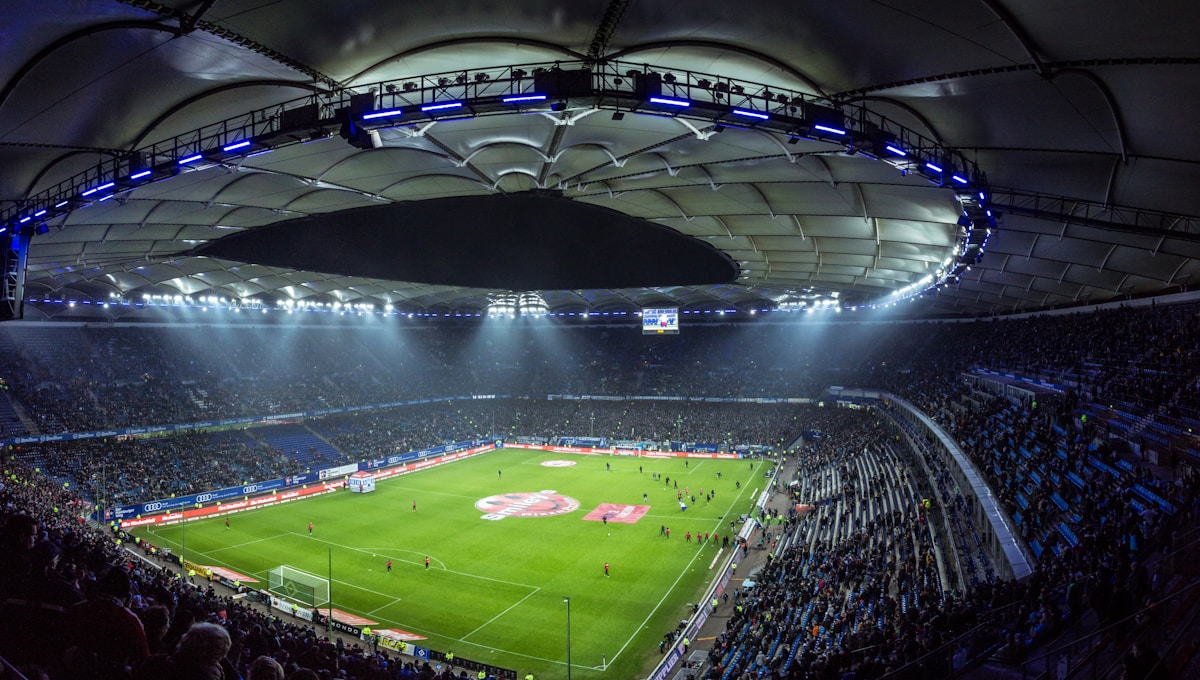
Hotel rates in FIFA World Cup 2026 host cities have dropped roughly one-third from their peak. The peak was late 2025, when hotels saw the matchups, saw 11% of Americans saying they wanted to attend a game, and assumed the rooms would price themselves. Then the tournament got closer, the math got real, and the inventory started looking too high.
This isn't a story about cheap World Cup tickets. Those aren't happening. It's a story about what cities did to hotel pricing when projected demand collided with actual demand. And it's an early sign of how the next month is going to play out for travelers who want to be in those cities for non-World Cup reasons too.
What the numbers actually show
Lighthouse data tracking 16 host cities pegs the average match-day premium at 31.44% above each city's baseline summer hotel rate. Six months ago, that premium was projected closer to 60-80% based on early booking patterns.
The most expensive city is Vancouver. Average nightly rates during the tournament window run above $1,200, driven by a 230% surge over normal summer pricing. Vancouver has a small downtown hotel base, summer is already peak tourist season, and the World Cup pushed it past anything resembling rational.
The cheapest is Houston at $205 per night average, with a single-digit match-day premium. Atlanta and Kansas City sit close behind at roughly $220 per night. Boston has the most volatile pricing with a 41.5% match-night premium versus non-match nights.
Mexico City carries the biggest opening-match surge because Estadio Azteca hosts the tournament opener on June 11, 2026. The opening match alone has pulled hotel rates up 180% above normal mid-June pricing.
Why hotels overpriced in the first place
Three factors compounded. Hotels in tournament cities used historical event-pricing data from Super Bowls and previous World Cups, both of which run shorter than the full FIFA tournament window. The 2026 World Cup runs from June 11 to July 19, which is 38 days across three countries. That's a much longer window than any reference event in revenue-management models.
Hotels assumed that international demand would behave like domestic Super Bowl demand. It didn't. High ticket prices ($600-1,500 face value for group-stage matches, climbing past $2,500 for knockout rounds) pushed casual fans out of the market. Most ticket-holders are corporate hospitality buyers and ultra-fans who book hotels through specialist agencies, not the standard hotel inventory.
And early hotel bookings looked stronger than they actually were. A lot of the early bookings were refundable holds that have since been cancelled. When refundable-rate inventory frees up close to event dates, hotels have to dump it at lower prices or eat empty rooms.
What's actually cheaper now
Six host cities have seen meaningful rate drops since March 2026:
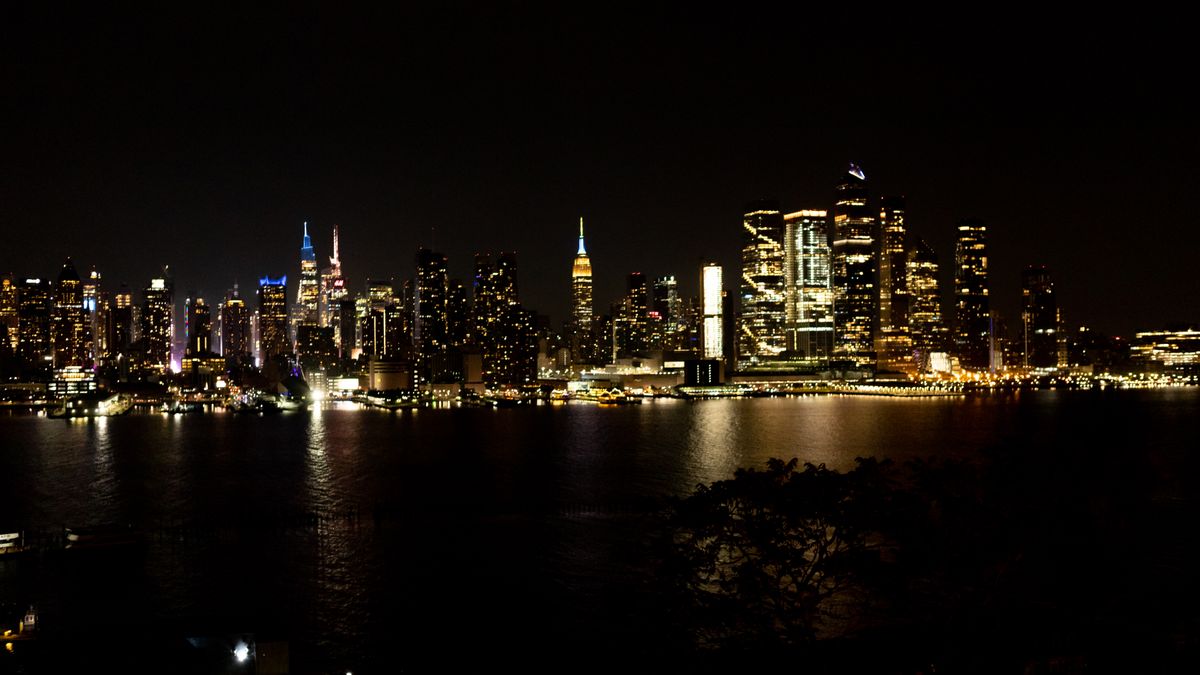
New York and New Jersey area hotels (the tournament hosts the final on July 19): rates down 28% from peak. Average nightly rate now $440 versus $610 in early March.
Los Angeles: down 22%. Average $385 versus $495 at peak.
Toronto: down 34%. Average CAD $520 versus CAD $785 at peak.
Miami: down 25%. Average $360 versus $480 at peak.
Seattle: down 19%. Average $325 versus $400 at peak.
Dallas: down 18%. Average $245 versus $300 at peak.

The cities that haven't dropped much: Vancouver (still surge-pricing aggressively because of limited supply), Mexico City (opening-match scarcity), and Boston (high natural summer demand independent of the tournament).
What this means if you're traveling to a host city this summer (for any reason)
If you're traveling to any of these cities between June and July 2026 for reasons other than the World Cup, this is the opportunity. Hotel pricing in NYC, LA, Toronto, Miami, Seattle, and Dallas is currently softer than it would be in a normal summer because the tournament suppressed casual leisure bookings, and the rate cuts are still reflecting that.
The best dates are non-match days at each city. Most host cities have 4-5 matches scheduled across the tournament. The other 30-something days are non-match days, and rates on those days are running close to or below normal summer baseline.
Practical examples. New York hotels June 14-15 (non-match): $385-410 per night for mid-range downtown properties. June 16 (group-stage match): $580-620. LA non-match: $310-340. Match days: $470-520. The non-match dates are where the value is.
Booking through Best, the 10% cashback applies to all of this. On a 3-night New York stay at $400 per night, that's $120 back. On a Toronto stay at CAD $500 per night for 4 nights, around CAD $200 back.

What will happen between now and the final whistle
Hotel prices in host cities typically follow one of two patterns in the final weeks before a major event. Pattern one: prices stabilize around the current discounted level and stay there through the event. Pattern two: prices drop further in the last 14 days as hotels accept they'd rather fill rooms than hold out.
Our read on this World Cup is closer to pattern two for cities outside Mexico. Hotel-occupancy projections from STR data have softened in the last month for NYC, LA, and Miami in particular. We'd expect another 5-10% softening in those three cities over the next month, with the best last-minute deals appearing in the final 7-10 days before each city's match dates.
Cancellation policies matter here. If you book now at a refundable rate, you can lock in the current discounted price, then re-book at a cheaper rate if one appears closer to your dates. Most major chains let you do this without penalty up to 48 hours before check-in. Non-refundable rates save you another 8-15% upfront but eliminate that flexibility.
The hotel industry takeaway
This is the second major event in 24 months where hotels overpriced based on optimistic projections and then quietly cut rates. The first was the 2025 Super Bowl in New Orleans, where hotels dropped prices roughly 40% in the final 30 days. The World Cup is following the same script across more cities.
For travelers, the lesson is simple. Headline pricing during big events is often a high-water mark that hotels back away from. Watching prices for 60-90 days before the event usually catches the soft landing. For hotels, the lesson is harder. Match historical Super Bowl pricing logic onto a month-long tournament with international travelers and the model breaks.
Frequently asked questions
When does the FIFA World Cup 2026 actually happen?
June 11 to July 19, 2026. The tournament spans the United States, Canada, and Mexico across 16 host cities. The opening match is in Mexico City and the final is at MetLife Stadium in the New York/New Jersey area.
Is it cheaper to book a World Cup hotel now or wait?
Most cities are now in a softening pattern, especially New York, LA, Miami, and Toronto. Booking now at a refundable rate locks the current discount and lets you re-book if prices drop further in the final two weeks before your dates. Non-refundable rates are 8-15% cheaper but rigid.
What's the cheapest World Cup host city for hotels?
Houston at $205 per night average during the tournament window. Atlanta and Kansas City are close behind. These three cities also have the lowest match-day premiums, around 5-10% above normal summer rates.
What's the most expensive World Cup host city?
Vancouver at over $1,200 per night average. Vancouver combines limited hotel supply with strong existing summer demand and a 230%-plus tournament surge. Mexico City and Monterrey are next-highest due to high match-day premiums.
Can I save money by staying outside the host city and traveling in?
Sometimes. In LA and Miami, suburbs are 30-40% cheaper but the commute eats hours each match day. In Toronto and NYC, public transit makes it viable. In Vancouver and Mexico City, the savings can be 50%+ but transportation logistics get messy.
Images: Hero by Tevarak Phanduang. NYC skyline via Pexels. Stadium crowd by Vienna Reyes. Aerial soccer field by Boris Hamer. Via Unsplash and Pexels, used under license.