The World Cup Was Supposed to Fill Hotels. In Most Host Cities It Didn't.
Stadiums sold out, but hotel occupancy fell year over year in most US host cities. Here is what went wrong and what it means for travelers.

For two years the story was the same. The World Cup was coming to North America, sixteen host cities were going to be overrun, and hotels should price like it. Book now or pay triple later. Then the tournament happened, and the numbers came in, and they told a different story than almost anyone in the industry expected.
Across most of the eleven United States host cities, hotel occupancy actually fell compared with a year earlier. The event that was supposed to fill every room in America instead delivered a lesson in what happens when hotels price for a party that does not fully show up.
The demand was real. The rooms were empty anyway.
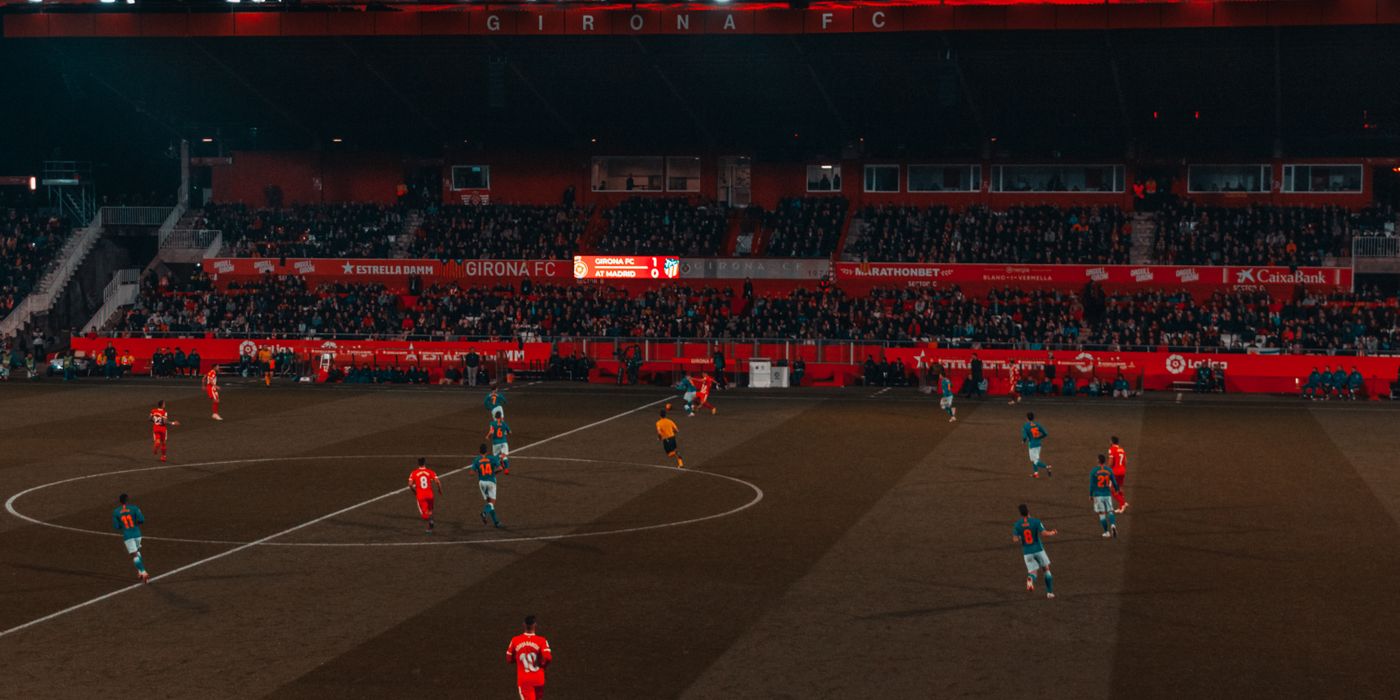
This was not a case of nobody coming. Stadiums filled. Fan zones packed out. National broadcast numbers were enormous. Yet the hotel rooms around those stadiums often sat quieter than the same week the year before. Of the eleven US host cities, only San Francisco and Dallas recorded net hotel occupancy gains year over year, according to industry data compiled after the tournament.
How does a sold-out stadium sit next to a half-empty hotel district. Two reasons. Many fans drove in for a single match and drove home the same night. And many of the visitors who did stay overnight refused to pay what hotels were asking.
Hotels made one expensive assumption
The mistake was uniform pricing. Hotels across host cities set high rates for the entire tournament window, working from a belief that international guests would book long stays, would not flinch at the price, and would push out the normal business and leisure travelers who fill rooms in a typical July.
All three assumptions turned out to be shaky. Plenty of fans came for two or three nights around a specific match, not two weeks. Many were deeply price-resistant after airfare and ticket costs. And by pricing out the regular summer travelers who would have booked anyway, hotels traded a reliable full house for a gamble on a crowd that arrived in bursts and left fast.
The gap between cities was staggering. A standard room in New York, host of the final at MetLife Stadium, averaged around $583. In Houston, which staged seven matches, the same standard room averaged closer to $146. Same tournament, same country, a fourfold difference in what hotels believed they could charge.

What the winners did differently
San Francisco and Dallas, the two cities that came out ahead, shared something useful. Both paired match days with other strong demand already on the calendar, and both had hotel markets that did not empty out their base business to chase the event. The World Cup added to an already busy summer rather than replacing it. That is the difference between a spike that lifts you and a spike that leaves a hole on either side.
Nationally, the broader picture was still healthy. In the peak tournament stretch, US hotel occupancy reached 72.4 percent for the week ending July 18, up slightly on the prior year, with average daily rates rising more than 5 percent. The event moved the national needle. It just did not move it evenly, and the host cities that bet hardest on it were often the ones left holding empty rooms.

The lesson for travelers, not just hoteliers
There is a takeaway here that outlasts this tournament. When a city hosts a huge event, the panic pricing you see months out is often not the price you will actually pay. Hotels that set rates high and early frequently cut them as the date nears and the rooms have not sold. The traveler who stayed flexible, watched the price, and booked closer in often paid less than the one who locked in early out of fear.
This holds for concerts, conventions, festivals, and championship games, not only World Cups. The move is to know the event is coming, keep an eye on the rate, and pounce when it drops rather than when the headlines tell you to. Booking through a platform that gives you cashback, like Best, quietly adds another 10 percent back on top of whatever timing win you get. The fans who paid $583 in New York and the ones who found the same category for far less were often looking at the same city on the same night. The difference was patience.
Frequently asked questions
Did the 2026 World Cup fill up hotels in host cities? Mostly no. Industry data showed hotel occupancy fell year over year in most US host cities during the tournament, with only San Francisco and Dallas posting net gains, even though stadiums and fan zones were packed.
Why were World Cup host city hotels empty if the games sold out? Many fans drove in for a single match and left the same day, and many overnight visitors refused to pay the high rates hotels set. By pricing for a long, price-insensitive crowd that did not fully materialize, hotels also pushed out their normal summer travelers.
How much did World Cup hotel prices vary by city? A lot. A standard room in New York averaged around $583 during the tournament, while the same category in Houston averaged closer to $146. Pricing reflected each city's assumptions more than actual demand.
Should you book early for a big event or wait? Staying flexible often wins. Hotels that price high and early frequently cut rates as the date nears and rooms go unsold, so watching the price and booking closer in can beat locking in months out.
Images: MetLife Stadium, SoFi Stadium, and the Dallas skyline via Wikimedia Commons, used under Creative Commons licenses. Stadium crowd via Pexels.