Why Hotel Prices Are Spiking in World Cup Cities
Hotel prices are climbing in 2026 World Cup host cities. Why the spike is concentrated, why some cities barely moved, and how to beat it.
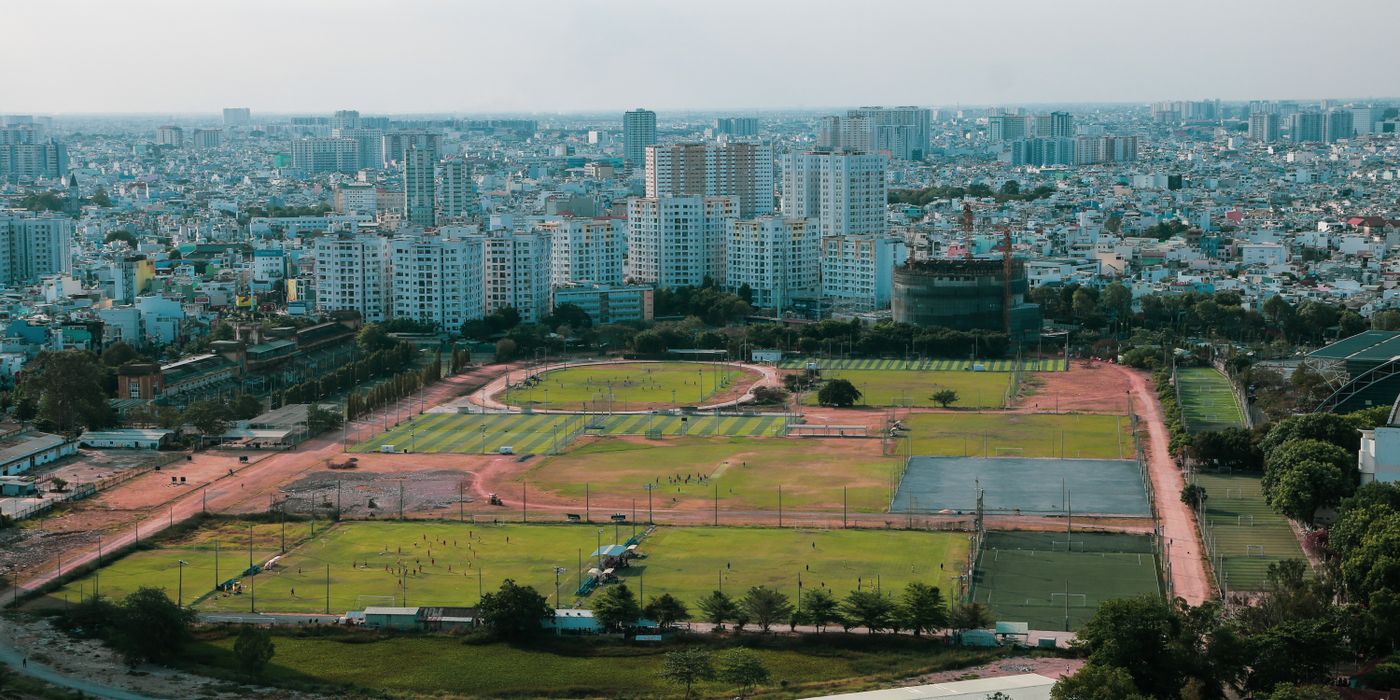
The 2026 World Cup is underway across the United States, Canada, and Mexico, and hotel prices in the host cities are doing exactly what you would expect. They are climbing. In some markets, room revenue around match dates is running 7 to 25 percent above normal.
We track hotel pricing for a living, so this is a good moment to pull back the curtain. Why do prices jump like this, why are some host cities barely moving, and what can a traveler actually do about it. The answers are more useful than the headlines.
Why a single event moves an entire city
Hotels price on demand, and they reprice constantly. When a fixed block of rooms meets a sudden flood of people who all need a bed on the same nights, the math is simple. The hotel raises rates until demand and supply meet. A World Cup match doesn’t just fill the stadium. It fills the hotels, the ones near transit, and then the ones a 40-minute drive away.
This is the same dynamic we broke down in our piece on how hotels set their prices. The engine never sleeps. It just gets more aggressive when a calendar event guarantees a spike.

The spike is concentrated, not constant
Here is the part most coverage gets wrong. The price jump is not spread evenly across the summer. It clusters tightly around match dates and the days on either side. A host city might look brutally expensive for the night before a quarterfinal and nearly normal a week later.
That concentration is the opening. If your travel is flexible, you can often sidestep the worst of it by shifting your stay by a few days, or by basing yourself in a neighboring city and traveling in for the day. The premium lives in a narrow window. Step outside it and the same room costs what it always did.
Why some host cities barely moved
Not every host market is spiking the way operators hoped. Reporting through the spring showed World Cup hotel bookings tracking below initial expectations in several cities. A few things explain it.
Some hotels set their rates sky-high months ago, betting on a frenzy that has been slower to materialize. Fans waited. Others priced themselves out and now sit with empty rooms they are quietly discounting as match dates approach. There is a lesson in that, and it is one budget travelers already know. Panic pricing by hotels often softens at the last minute when the rooms do not sell.
The wider 2026 picture
Zoom out from the tournament and the broader hotel market is healthier than it was a year ago. Analysts now expect US revenue per available room to grow about 2.8 percent in 2026, a sharp upgrade from the flat forecast at the start of the year. Demand has been climbing through the first half of the year.
There is also a quieter shift underneath the numbers. For a few years the gains went almost entirely to luxury hotels while everything below struggled. In 2026 that is evening out, with mid-tier and lower-tier hotels finally seeing demand come back. For most travelers, that is good news. The middle of the market is where most of us actually book.

How to beat a demand spike
A few moves work whether it is a World Cup, a conference, or a festival. Watch rates in the metro, not just the city center, since the spike fades fast as you move out. Stay flexible on dates and shift around the event window. Consider a nearby city with good transit links and treat the host city as a day trip. And keep an eye on last-minute drops, because the hotels that overpriced themselves are often the ones cutting hardest as the date nears.
The other lever is cashback, which works no matter what the nightly rate is. A room that costs $250 on a match weekend still returns 10 percent when you book it through Best. That is $25 back on a night you were going to pay a premium for anyway. It does not undo the spike, but it takes a real bite out of it. If you want to see where rates are softening instead of climbing, our roundup of where summer hotel prices are falling is the companion read.
Frequently asked questions
How much are hotel prices rising for the 2026 World Cup? Room revenue in host markets is running roughly 7 to 25 percent above normal around match dates, with the biggest jumps concentrated on the days closest to games.
Will World Cup hotel prices come down? In cities where hotels overpriced early, some rooms are being discounted as match dates approach and bookings lag. Last-minute availability can be cheaper than the rates set months ago.
What is the cheapest way to stay near a World Cup city? Base yourself in a neighboring city with good transit, travel in for match day, and stay flexible on dates so you can avoid the tightest demand window.
Are hotel prices high everywhere in 2026? No. US RevPAR is forecast to rise about 2.8 percent overall, and mid-tier hotels are more competitive than they were a year ago. The sharp spikes are local and event-driven, not nationwide.
Images: Hero by Pexels. Dallas skyline by drumguy8800 via Wikimedia Commons, used under license. Stadium at night by Pexels.