72 Hours in Ljubljana: Slovenia's Walkable Capital That's Still Affordable in Summer 2026
A mid-range hotel in Ljubljana's old town runs 95 to 140 euros a night this summer. Vienna is 220, Venice 320. Here is a 72-hour plan that uses the city's small footprint to your advantage.

The fastest way to understand why Ljubljana works is to walk from your hotel to dinner without looking at a map. The old town is about a mile across. The river runs through it. Three bridges link the two sides. You will probably get lost on day one, find your way by lunch, and stop using GPS by day two.
We have been tracking summer hotel rates across European capitals for three months. Ljubljana keeps showing up in our data as the city that should not still be this cheap. A mid-range hotel in the old town runs 95 to 140 euros a night in June 2026. The same caliber room in Vienna is 220. In Salzburg, 260. In Venice during the same week, you will not find anything decent under 320.
Slovenia joined the euro in 2007 and Schengen in the same year. Ljubljana airport sits 16 miles north of the city. Direct flights from London, Frankfurt, and Istanbul land daily. From the US, the easiest route is through Vienna or Munich with a short connection.
Three days is enough to see the city, take one day trip, and still feel like you experienced it. Here is how we would spend that time.
Day 1: The Old Town, the Castle, and the River
Start in Prešeren Square. This is the city's central plaza, named for the national poet, and it sits at the foot of the famous Triple Bridge. Most travelers see it once and move on. We would sit at one of the cafes facing the bridge for 30 minutes first. The square is where Ljubljana introduces itself.
The Triple Bridge is the work of Jože Plečnik, the architect who shaped much of modern Ljubljana in the early 20th century. Crossing it puts you in the old town proper. Mestni trg, Stari trg, and Gornji trg run in sequence south from the bridge. Walk all three. They blend into each other and form what feels like one long stone street with cafes, small shops, and a few restaurants worth remembering.
For lunch, try Klobasarna for sausage and stew. It is small, casual, and run by people who know what they are doing with kranjska klobasa, the local sausage. Expect to spend 10 to 14 euros for a proper meal. If you want something more sit-down, Druga Violina sits on Stari trg and trains adults with developmental disabilities as servers. The food is solid Slovenian, the cause is good, and lunch runs 15 to 22 euros.
In the afternoon, walk up to Ljubljana Castle. You can take the funicular from Krekov trg for 6 euros round-trip, or walk the cobbled path up in about 20 minutes. The castle itself dates to the 11th century, has been rebuilt several times, and now houses a museum, restaurant, and the best view of the city you will get. Castle admission is 16 euros, but if you skip the museum and just visit the courtyard and the lookout tower, the view itself is free.

Day 2: Metelkova, the Markets, and the Dragon Bridge
Wake up early and head to the Central Market by the cathedral. Plečnik designed this too. The riverside colonnade is open Monday through Saturday, with the strongest produce flow on Saturday morning. Try the local strawberries in June, the cherries in early July, and any cheese with the word "tolminc" on the label.
From the market, cross the Dragon Bridge. The four dragon statues at each corner have been part of Ljubljana's identity since 1900. The legend says the dragons flap their wings when a virgin crosses, which has been the source of local jokes for over a century. The bridge connects to the area east of the river, which feels more residential and less polished than the old town.

For lunch, head to Open Kitchen if it is Friday between mid-March and late October. This open-air food market sets up in Pogačar Square next to the cathedral every Friday during the season. About 30 vendors rotate through, from Slovenian classics to Vietnamese pho to wood-fired pizza. Expect to spend 8 to 15 euros per dish. If it is not Friday, Pop's Place near the Triple Bridge does the best burger in town.
In the afternoon, walk north to Metelkova. This is a former military barracks that was occupied by artists in 1993 and turned into an autonomous cultural zone. By day it looks like a graffitied open-air gallery. By night it becomes the city's underground music scene. We would visit during daylight to see the murals, the sculptures made from scrap metal, and the general aesthetic of a place that decided to do its own thing. It is two minutes from the train station and a 15-minute walk from the old town.
If you have energy, swing through Tivoli Park on the way back. It is the city's main green space, designed in 1813 and expanded over the next two centuries. The promenade lined with photos and posters across the central path is a rotating outdoor exhibition. It changes every few months and is consistently good.
Day 3: A Day Trip Out of the City
This is the part most weekend visitors skip and then regret. Slovenia is small enough that you can be at one of the most photographed lakes in Europe in 40 minutes by train.
The choice is between Lake Bled and Postojna Cave. Both are doable from Ljubljana as day trips.
Lake Bled is the obvious pick. Train from Ljubljana to Lesce-Bled station takes about 40 minutes and costs around 7 euros each way. From the station, a local bus takes you to the lakeshore in 10 minutes. Once there, walk the 6-kilometer loop around the lake, hire a pletna boat to the island church for 18 euros, or take the funicular up to Bled Castle for 16 euros. The famous cream cake at any lakeside café is 5 euros. We would budget a full day and return to Ljubljana for dinner.
Postojna Cave is the alternative if you have been to alpine lakes before. The cave system is 24 kilometers long and the tourist section includes a small train that runs through the larger chambers. Train from Ljubljana to Postojna takes 50 minutes and costs about 7 euros each way. Cave entry is 32 euros. The whole trip including transit runs 5 to 6 hours.

Where to Stay
The old town is small enough that any hotel within a 10-minute walk of the Triple Bridge will work. Three options at different price points.
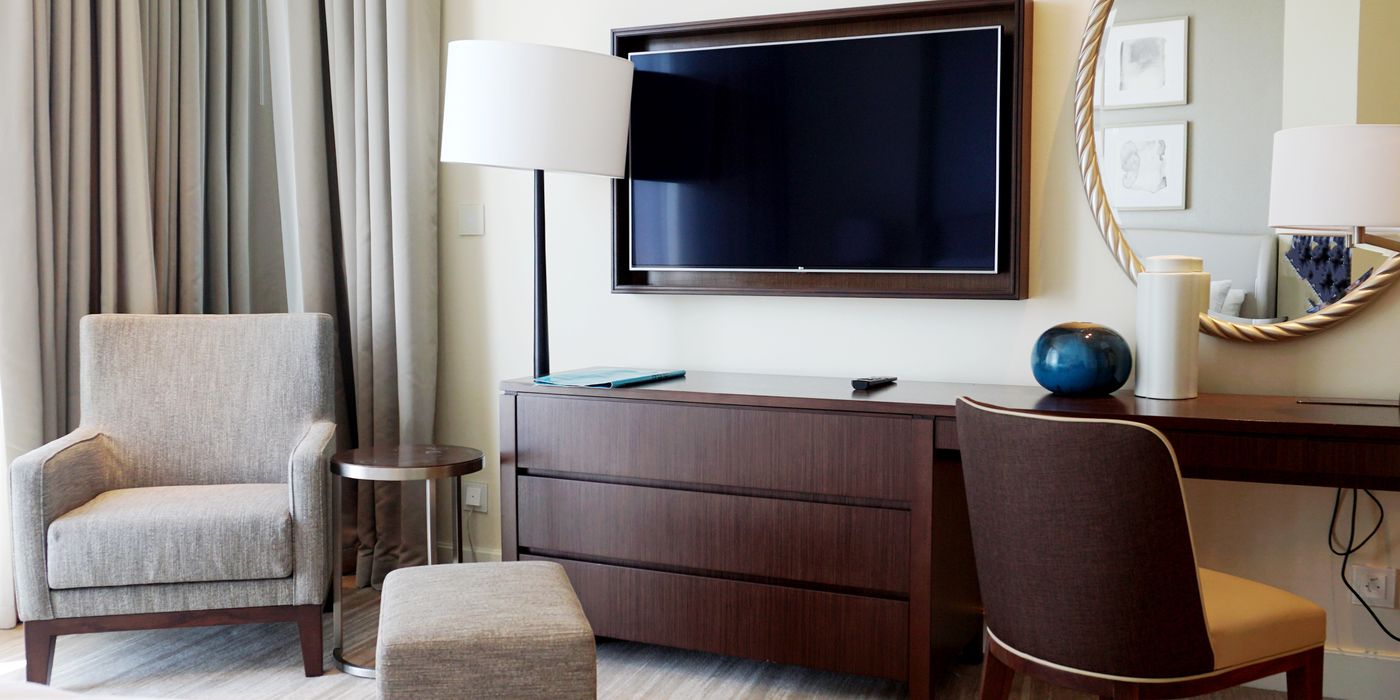
Hotel Cubo sits on Slovenska cesta, a five-minute walk from Prešeren Square. Rooms run 130 to 180 euros a night in summer 2026. Modern, quiet, with a good breakfast included. The lobby bar opens to the street and is a decent place to start an evening.
Vander Urbani Resort is on Krojaška ulica, right in the old town. Rooms run 150 to 220 euros. The rooftop pool is the selling point. Bathrooms are large, beds are good, location is unbeatable for walking.
Hotel Park is the budget pick. Rooms from 75 to 105 euros depending on date and floor. Ten-minute walk to the center, but right next to the train station if you are arriving late or doing day trips. Clean, basic, no nonsense.
If you book any of these through Best, you get 10% back on the total. On a four-night stay at Hotel Cubo at 150 euros a night, that is 60 euros back. Enough to cover one nice dinner.
What to Eat Beyond the Obvious
Slovenian food sits at the crossroads of Italian, Austrian, and Balkan cooking. The result is heavier than Italian, lighter than Austrian, and more vegetable-forward than most people expect.
For one nice dinner, book Strelec inside the castle walls. Set menus run 90 to 130 euros per person. Reserve at least three days out. For something more casual, JB Restaurant is a Ljubljana institution with mains around 28 to 38 euros. For local atmosphere without the tourist markup, Gostilna na Gradu inside the castle does Slovenian classics in a casual setting for 18 to 26 euros per main.
For coffee, Čokl roasts its own beans and sits on Krekov trg. For pastry, Slaščičarna Lolita does the best cream slice outside of Bled. For beer, Sir William's Pub stocks 80 craft options in a small space near the river.
Getting Around
You will not need a car. The old town is car-free, the rest of the center is mostly walkable, and city buses cost 1.30 euros with the Urbana card. Taxis are cheap but rarely needed. If you are doing day trips, the train station is a 10-minute walk from the center. Slovenian Railways tickets are cheap and the trains are clean.
The airport bus from Ljubljana airport to the city runs every hour and costs 4.10 euros. A taxi to the center is 35 to 40 euros and takes 25 minutes.
When to Go in 2026
Late May through mid-June is the sweet spot. Temperatures sit in the low 20s Celsius, the lavender and rose blooms are out, and the summer tourist surge has not started. July and August get hot (28 to 32 Celsius) and crowded. September is a strong second choice, with cooler evenings and the wine harvest in nearby Brda. Avoid mid-December if you do not like crowds, but the Christmas market in the old town is one of the prettier ones in Europe if you do.
Hotel prices in 2026 follow the same curve. Late May rates are roughly 30% lower than peak August. Shoulder-season bookings get you the same room for less money and fewer people on Prešeren Square at sunset.
The Bottom Line
Ljubljana works because it is small enough to walk, beautiful enough to slow down in, and still cheap enough that a 72-hour visit does not require a budget conversation. A typical four-night trip including hotel, meals, day trip, and incidentals lands between 750 and 1,100 euros per person depending on choices. With Best's 10% cashback on the hotel portion, that drops by 50 to 90 euros without changing anything you do.
The city has been growing in profile for a few years now. We expect summer 2027 prices to be 15 to 20% higher across the board. Whatever you save by going this year compounds.
Frequently Asked Questions
Is Ljubljana worth visiting for three days, or is two enough?
Three days lets you see the city properly and take a day trip. Two days is enough for the old town and castle but cuts the Lake Bled or Postojna option, which is most people's strongest memory of the trip.
How much does a hotel in Ljubljana cost in summer 2026?
A mid-range hotel in the old town runs 95 to 140 euros per night in June. July and August peak around 160 to 220. Booking through Best returns 10% as cashback.
What is the best day trip from Ljubljana?
Lake Bled is 40 minutes by train and the most popular. Postojna Cave is the alternative if you have seen alpine lakes before. Both run 5 to 7 hours round trip.
Do people speak English in Ljubljana?
Yes. English is widely spoken, especially in hospitality and restaurants. Slovenian is the official language but you will not need any phrases beyond "hvala" (thank you).
Is Ljubljana safe?
Slovenia consistently ranks among the safest countries in Europe. Petty theft is rare even in tourist areas. Walking around at night feels comfortable.
Images: Hero by Hasmik Ghazaryan Olson via Unsplash. Aerial Prešeren Square by Henry Ren via Unsplash. Dragon Bridge and riverside architecture via Pexels. All used under license.