72 Hours in Marrakech. Plan It for Fall, When the City Comes Back to Life
The heat breaks in October and Marrakech becomes itself again. Three days of souks, gardens, palaces, and desert, with real 2026 prices throughout.

Marrakech in July is an oven. Daytime highs push past 100 degrees and the medina empties by noon. Marrakech in October is a different city. The heat breaks, the dusk light turns the pink walls gold, and travel editors have spent the summer naming it one of the top fall destinations for 2026. They are right, and fall trips booked now catch the city at its best prices before the November crowds arrive.
Three days is enough to do Marrakech properly if you spend them well. This is how we would spend them.
Day one. The medina, on foot, with no plan after lunch
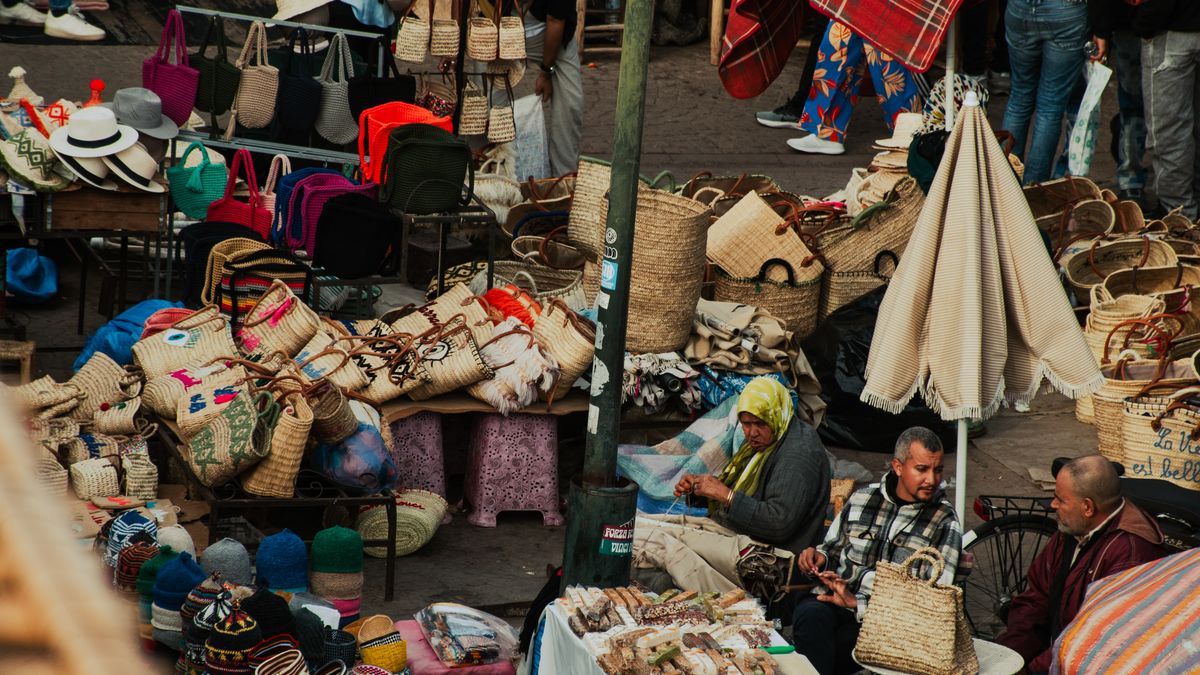
Start at the Koutoubia Mosque, the 12th-century minaret that anchors the whole city, then walk into the medina and accept that you will get lost. Getting lost is the activity. The souks north of Jemaa el-Fnaa sort themselves loosely by trade, leather in one artery, lanterns and brass in the next, dyed wool hanging overhead in the wool quarter.
Haggling is expected and friendly. Open at a third of the first price, settle around half, and walk away once to find out what the real number is. A good leather bag lands around 300 to 500 dirhams, roughly $30 to $50. Lunch inside the medina is cheap and excellent. A bowl of harira and a plate of grilled kefta runs $6 to $8.
At sunset, Jemaa el-Fnaa turns into the night market, all smoke and drums and food stalls. Eat where the locals cluster, stall numbers 1 and 14 have earned their lines, and dinner costs under $10.
Day two. Gardens, palaces, and the new town
Book Jardin Majorelle online days ahead, entry is about $17 with the Berber Museum, and go at opening. The cobalt-blue villa and cactus garden that Yves Saint Laurent restored is the most photographed spot in Morocco and by 10 am it looks like it. The YSL Museum next door adds about $10 and is worth the hour.
Take lunch in Gueliz, the French-built new town ten minutes away, where cafes run at Lisbon prices and the pastry is serious. Then work back into the old city for the Bahia Palace, $7 entry for a masterclass in zellige tilework and painted cedar, and El Badi Palace, the ruined 16th-century showpiece where storks nest on the ramparts.
End the day on a rooftop. Cafes ringing the square sell mint tea for $2 and the sunset call to prayer echoing across the medina for free.

Day three. Atlas foothills or the Agafay desert
Pick one day trip and commit. The Ourika Valley in the Atlas foothills is 45 minutes out, with Berber villages, walnut groves, and a waterfall hike that earns lunch by the river. Shared tours run $25 to $40. The alternative is the Agafay desert, a moonscape of stone hills 40 minutes southwest, where lunch camps do half-day packages with camel rides and a pool from about $50.
Back in town, book a hammam for the evening. A traditional scrub at a neighborhood bathhouse costs $10 to $15. The spa version at a riad, with argan oil and an hour of quiet, runs $40 to $80 and after three days of walking is the right kind of spending.
Where to stay, and what it costs in fall 2026
Stay in a riad inside the medina at least once. The courtyard houses converted into small guesthouses are the city's signature stay, and fall rates for a good one run $70 to $150 a night with breakfast on the roof included. Booking early matters, because the best riads have four to eight rooms and October weekends sell out first.
Hotels in Gueliz and Hivernage offer pools, parking, and predictability at $90 to $180. At the top, La Mamounia starts around $600 and remains one of the world's great hotels if the trip budget bends that far.
October and early November hit the sweet spot of weather and rates. It is the same shoulder-season logic we mapped for Europe this fall, applied 90 minutes further south. Whichever way you book, the patterns in our booking-window guide apply, and riads on Best earn the same 10 percent cashback as any hotel.
What to eat, and what it costs
Tagine is everywhere and quality varies wildly, so order it where it slow-cooks in view rather than where a laminated photo promises it. Lamb with prunes and almonds is the classic, $5 to $8 in the medina, double that on a hotel rooftop. Tanjia is the dish Marrakech actually claims as its own, beef or lamb sealed in a clay urn and buried in hammam ashes overnight. A few spots around the Mellah do it properly, and a portion with bread runs about $7.
Breakfast belongs to msemen, the flaky square flatbread off a griddle with honey or cheese, a dollar at any corner stand. Fresh orange juice from the Jemaa el-Fnaa carts costs 50 cents and tastes like the oranges had a different childhood than the ones at home. For one white-tablecloth night, the fixed menus at the grand riad restaurants run $30 to $50 a person and come with rose petals and live oud, which is either wonderful or too much, depending on the company.
Getting in, getting around
The airport sits 15 minutes from the medina. The official taxi rate into town is posted at around $8 to $10, and drivers who quote $25 are running the oldest play in the book, so point at the sign. Riads inside the medina usually offer pickup for $12 to $15 with a porter who carts your bags through the alleys, worth it on arrival day.
In town, petit taxis are cheap and metered in theory. Insist on the meter or agree on 20 to 30 dirhams for most hops. Everything inside the medina is walking distance anyway, and Gueliz is a 10-minute ride. An eSIM with Moroccan data costs a few dollars and matters more here than most places, because the blue-dot map is how you get unlost in the souks before dinner.
FAQ
When is the best time to visit Marrakech?
October and November, then March and April. Daytime temperatures sit in the 70s and 80s, evenings are warm, and hotel rates run below the winter-holiday peak.
How much does three days in Marrakech cost?
A comfortable riad-based trip runs $75 to $120 per person per day in fall 2026, covering a good riad, meals, museum entries, and one day trip. The luxury version scales as far as you want it to.
Is Marrakech safe for tourists?
The medina is heavily policed and violent crime against visitors is rare. The realistic issues are pickpockets in crowds, aggressive unofficial guides, and scooter bag-snatches after dark. Keep phones off the street side and agree on taxi fares before the door closes.
Do you need cash in Marrakech?
Yes. The souks, food stalls, and most taxis run on dirhams. Cards work at hotels, larger restaurants, and Majorelle. ATMs cluster around Jemaa el-Fnaa and throughout Gueliz.
Images. Hero by Paul Macallan. Night market by Miltiadis Fragkidis, via Unsplash, used under license. Souk stalls by Jorge Acre via Pexels.