Where to Stay in Fukuoka for Autumn 2026
Kyoto rooms triple in November. Fukuoka has the same autumn weather, later foliage, and rates that barely move. Hakata, Tenjin and Nakasu compared.
Everyone books Kyoto in November. Room rates there run two to three times what they do in May, and the maple corridors at Tofuku-ji are shoulder to shoulder by nine in the morning. Fukuoka is 2 hours 20 minutes away on the Shinkansen, has the same autumn weather, and its hotel rates barely move.
That gap is the whole argument for Kyushu in autumn. Here is where to stay in Fukuoka, what the three main areas actually get you, and how to use the city as a base for the rest of the island.
Why autumn is the right window
October and November in Fukuoka run 15 to 22°C with low humidity and very little rain, which is the most comfortable stretch of the year. Summer here is hot and sticky, spring brings cherry blossom crowds and cherry blossom pricing, and winter is grey. Autumn is the season the city is best in and the season the fewest foreign visitors show up for.
Foliage arrives later than in central Japan. Ohori Park and Maizuru Park in the city center turn through mid to late November. Komyozenji in Dazaifu, a small Zen temple with two moss and maple gardens, peaks in the last ten days of November and is the single best autumn sight in the prefecture.
Hotel rates in Fukuoka move maybe 10 to 15 percent between a quiet October week and the late-November foliage window. In Kyoto over the same period the swing is closer to 150 percent.

Hakata
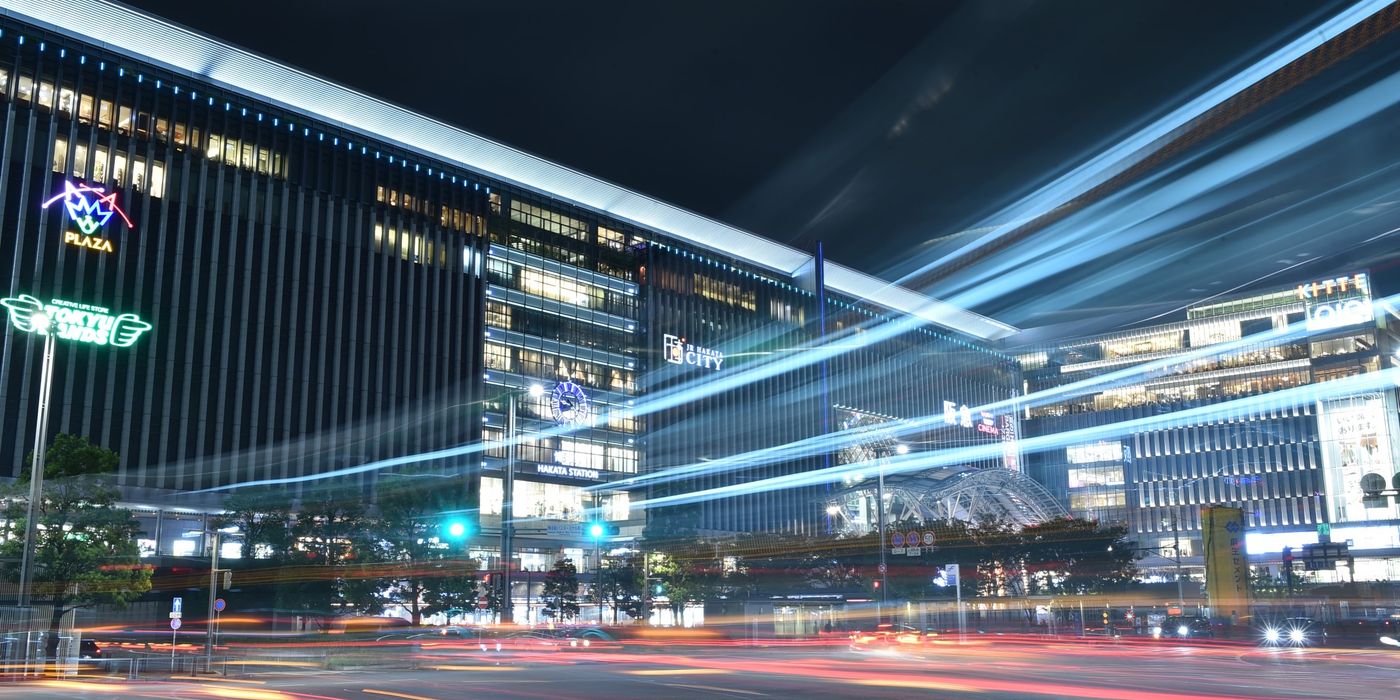
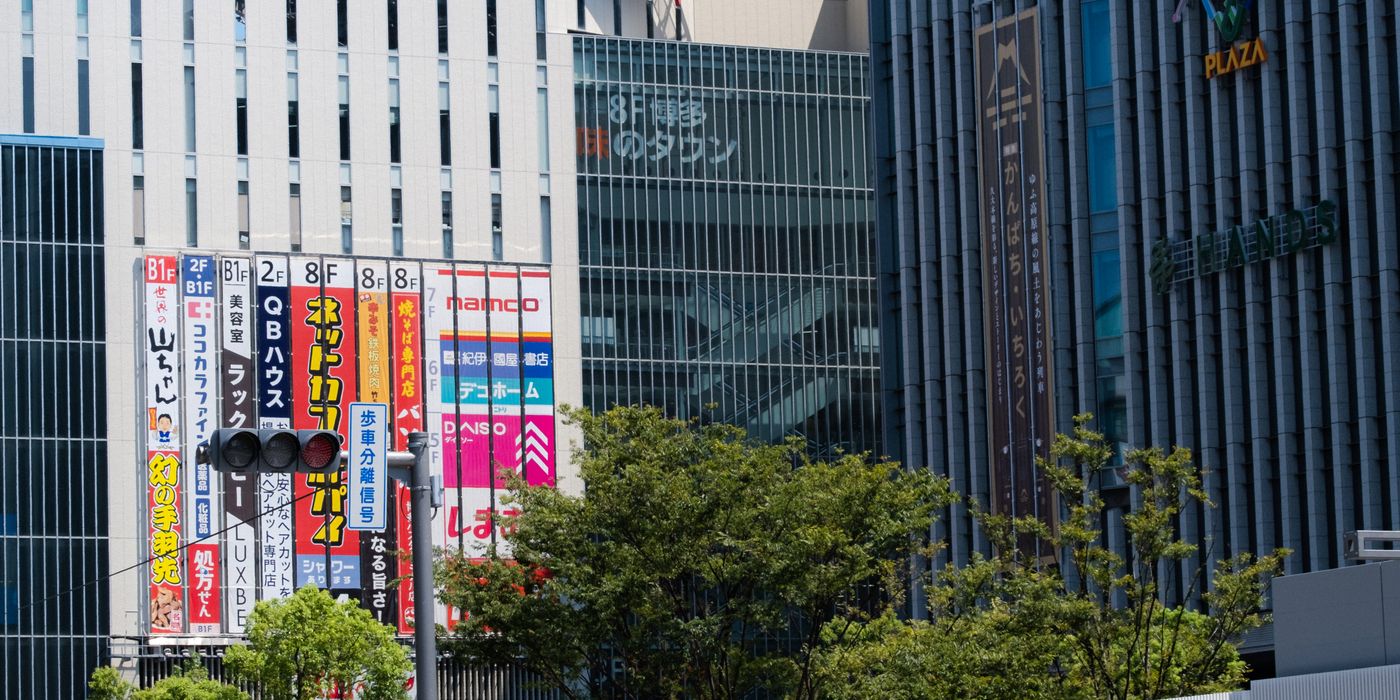
Hakata is the station district, and it is the right base if Fukuoka is a hub rather than a destination. Hakata Station puts the Shinkansen, three JR lines, the airport subway, and the long-distance bus terminal in one building. The airport is five minutes away by train, which is close to unique among major Japanese cities.
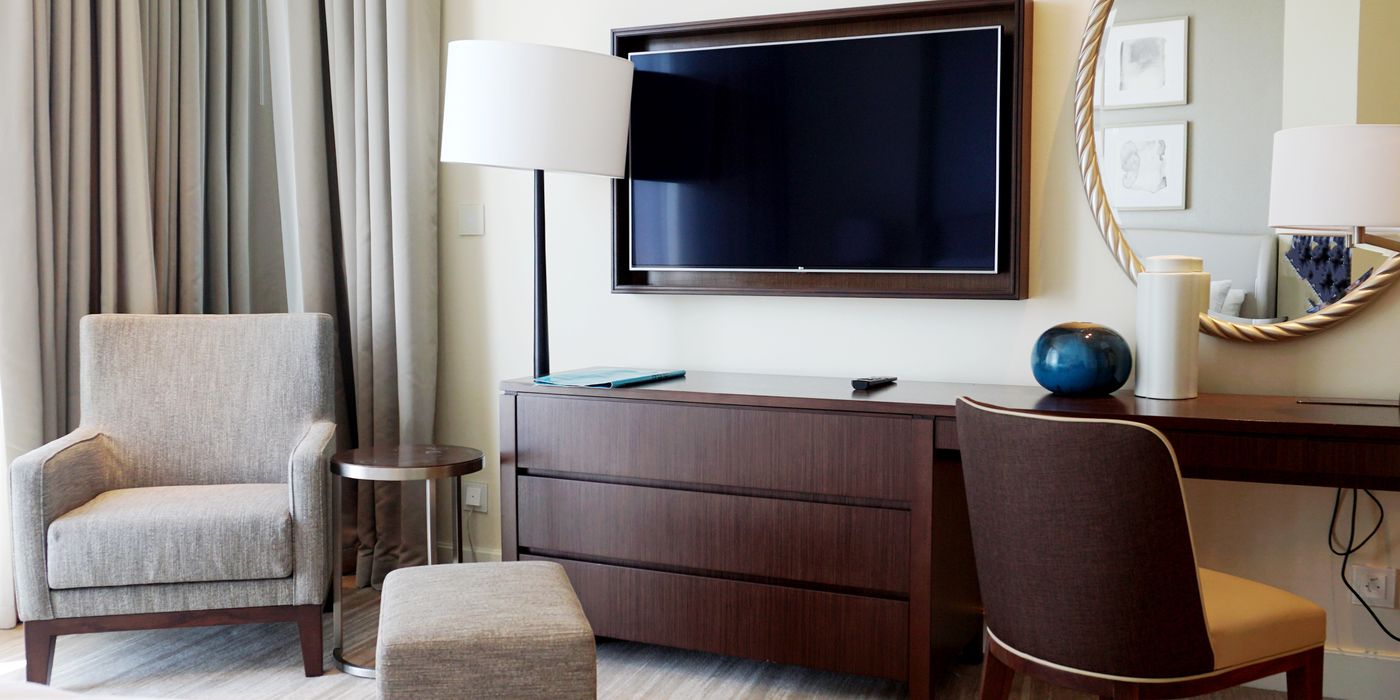
Business hotels here run $55 to $95 a night in autumn for a clean, small, well-run room. The b hakata, Hotel Forza Hakataeki, and JR Kyushu Hotel Blossom all sit in that band. Rooms are compact by Western standards and immaculate by any standard.
The trade is atmosphere. Hakata at night is quieter than Tenjin and the streets around the station are functional rather than pretty. Deiro and the ramen shops under the station make up for a lot of that.
Book Hakata if you are doing day trips, if you have an early flight, or if you are arriving from Osaka or Hiroshima with luggage.
Tenjin
Tenjin is the shopping and eating center, about ten minutes from Hakata on the subway. Department stores, covered arcades, the Daimyo backstreets full of small restaurants and secondhand shops, and a much better walk-out-the-door radius than Hakata.
Rates run a little higher, roughly $70 to $130 a night in autumn for the same class of room. Solaria Nishitetsu and Hotel Monterey La Soeur are the dependable mid-range names. Daimyo has a growing set of small design hotels that cost less than they look.
Tenjin is also marginally better positioned for Dazaifu, since the Nishitetsu line runs there directly in about 30 minutes without a transfer.
Book Tenjin if the trip is city-focused, if you want to eat and drink without planning, or if you are staying four nights or more.
Nakasu and the riverside
Nakasu is the sandbar between the two rivers, and it is where the yatai are. These are the open-air food stalls that set up along the water each evening from about six, seat eight to ten people, and serve tonkotsu ramen, yakitori, oden, and beer until late. Around 100 of them operate in Fukuoka, which is more than the rest of Japan combined.
Staying on the riverside puts you a two-minute walk from that. It also puts you next to Nakasu's late-night district, which is loud and not to everyone's taste. Rooms on the Kawabata side of the river get the location without the noise.
Expect $65 to $120 a night. The value case is decent and the walk to both Hakata and Tenjin is about 15 minutes.

What the city itself is worth
Two full days, honestly. Fukuoka is a pleasant, low-rise, walkable city with excellent food and no headline sight. That is not a criticism. It is why the hotel rates are what they are.
Worth your time. Ohori Park in the late afternoon, which is a former castle moat turned into a lake with a walking loop and a Japanese garden at the south end. Tochoji, a working temple in Hakata with a 10.8 metre wooden Buddha you can walk behind. Kushida Shrine, small and central. Yanagibashi Rengo Market for breakfast. The Daimyo backstreets for an aimless afternoon.
Skip Canal City unless you have children. It is a shopping mall.

Using Fukuoka as a Kyushu base
This is the real reason to stay here. Four day trips, all doable and back for dinner.
Dazaifu. 30 minutes on the Nishitetsu line from Tenjin. Dazaifu Tenmangu is one of Japan's most important shrines and the approach street sells grilled umegae mochi that is worth the trip on its own. Komyozenji is two minutes away and costs 500 yen. Go in the last week of November.
Yanagawa. 50 minutes south. A canal town where flat-bottomed boats are poled through the old moat system by boatmen who sing. It sounds like a tourist trap and it mostly is not.
Nagasaki. 90 minutes by Shinkansen and limited express. Doable as a long day trip, better as an overnight. The Atomic Bomb Museum and Peace Park deserve unhurried time.
Beppu and Yufuin. Two hours east. Beppu is the working onsen town with steam rising out of drains in the street. Yufuin is prettier and more touristed. If you only have one day, Beppu.
What autumn in Fukuoka costs
A comfortable mid-range hotel room in Fukuoka in October or November 2026 runs $65 to $110 a night. The same standard of room in Kyoto in the second half of November runs $220 to $400 and sells out by August.
Food is where Kyushu really separates. A bowl of Hakata tonkotsu ramen at a counter shop costs 800 to 1,000 yen. Dinner at a yatai with two dishes and two beers lands around 3,000 yen. A JR Kyushu rail pass covering the northern island is roughly 10,000 yen for three days.
Rate movement in Fukuoka is mostly driven by convention traffic at Marine Messe rather than by tourism, which means the expensive nights are unpredictable but rare. If your dates land on a conference week, moving one day either side usually fixes it. Best flags the cheapest available rate across dates for the same property, which is the fastest way to spot those single spiked nights. Rates are at best.so.
Questions we get about Fukuoka
Is Hakata or Tenjin better for a first visit?
Tenjin if you are staying in the city, Hakata if you are day-tripping across Kyushu or flying out early. The two are ten minutes apart by subway, so the decision is smaller than it looks.
When does autumn foliage peak in Fukuoka?
Mid to late November for city parks, and the last ten days of November for Komyozenji in Dazaifu. That is roughly two weeks later than Kyoto.
How much does a hotel in Fukuoka cost in November 2026?
Expect $65 to $110 a night for a mid-range room. Business hotels near Hakata Station start around $55.
Is Fukuoka worth visiting instead of Kyoto?
Not instead of, but alongside. Fukuoka has no equivalent to Kiyomizu-dera. It has better food per yen, a third of the crowds, and hotel rates that do not triple in November, which makes it a strong base for a Kyushu week.
How many days do I need in Fukuoka?
Two days for the city, four to five if you are using it as a base for Dazaifu, Yanagawa, and Beppu.
Related reading. Where to stay in Kyoto this autumn and the Osaka neighborhood guide.
Images. Hero, Hakata street and Tochoji via Pexels. Dazaifu Tenmangu by Jakub Hałun via Wikimedia Commons, CC BY-SA 4.0. Ohori Park by Thomas Woodtli via Wikimedia Commons, CC BY-SA 2.0.