Where to Stay in Oaxaca for Día de Muertos 2026
Día de Muertos runs 31 October to 2 November 2026. Real rates by neighborhood, why Jalatlaco beats Centro, and what to do if you are booking late.
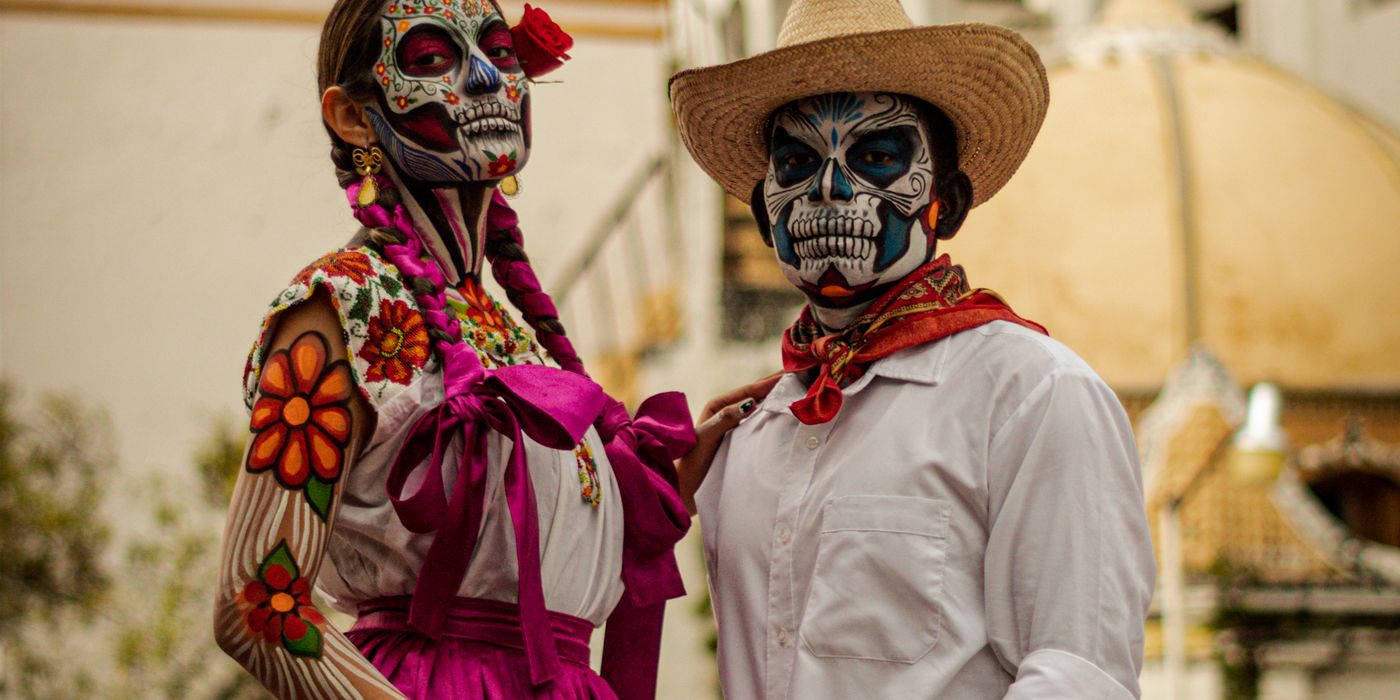
Día de Muertos falls on 31 October to 2 November in 2026, and the thing most first-timers get wrong is geography. The events people fly in for happen in cemeteries on the edge of the city, not on the streets of Centro. Book a room three blocks from Santo Domingo and you have paid a festival premium for a location that puts you nowhere near the thing you came to see.
We spent this summer tracking Oaxaca hotel rates for the last week of October. What follows is where to stay, what it costs, and what the neighborhood choice actually buys you.
Where the festival actually happens
Oaxaca does not have one Día de Muertos. It has about six, spread across four nights and a dozen locations, and they run on different schedules.
31 October, evening. Panteón de Xoxocotlán, known locally as Xoxo, roughly 20 minutes south of the city. Two cemeteries sit next to each other. The older one is candlelit, quieter, and the reason photographers come. The newer one is louder, with food stalls and bands. This is the single busiest night of the week.
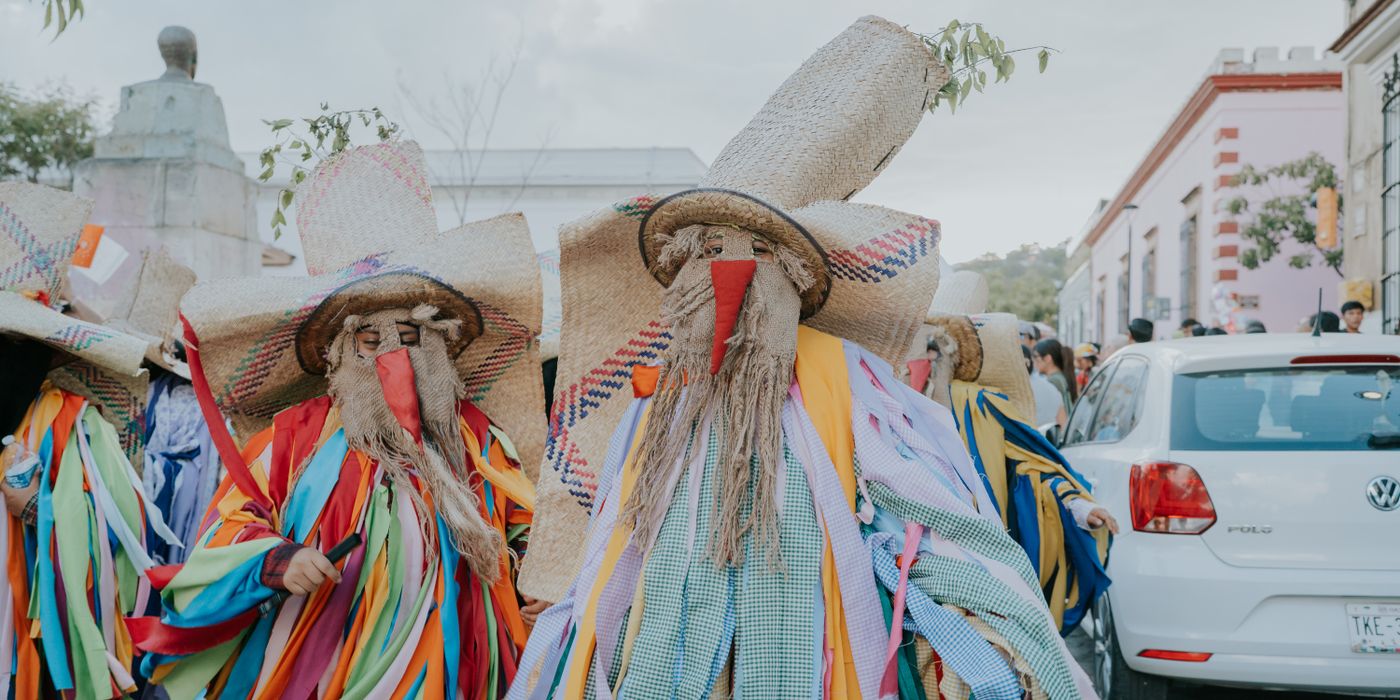
1 November. Panteón General, on the eastern edge of Centro and walkable from most Centro hotels. Families decorate graves through the afternoon and stay into the night. Comparsas, which are neighborhood parades with brass bands and costumed dancers, move through Jalatlaco and Xochimilco after dark.
2 November. Daytime is the family day. San Felipe del Agua and Santa María Atzompa fill up with relatives eating at the graves. Atzompa is the one to pick if you want the version that has not been reshaped by visitors.
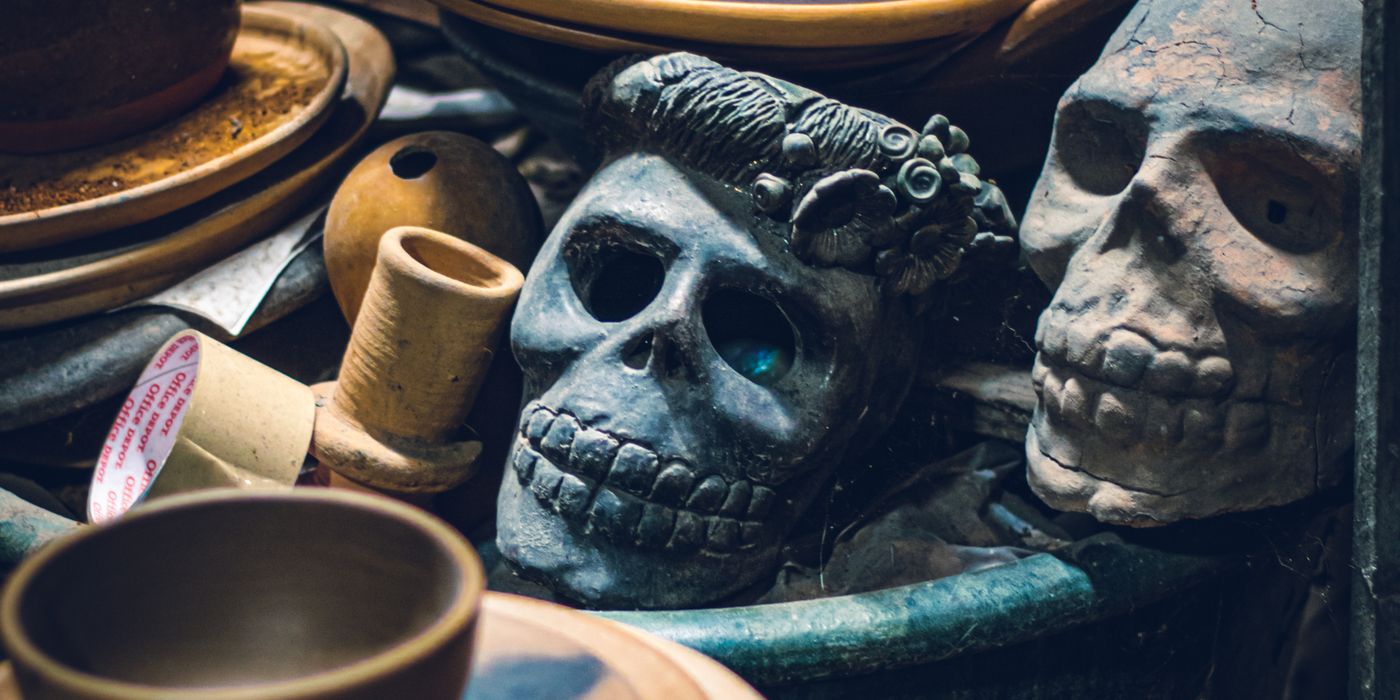
Running underneath all of it, from about 27 October, are the markets. Mercado de Abastos sells cempasúchil marigolds by the armful and sugar skulls by the tray, and it is worth an hour even if you buy nothing.
What a room costs during the festival week
A mid-range hotel room in Oaxaca's Centro Histórico runs roughly $60 to $120 a night in an ordinary September week. The same room across the 30 October to 3 November window runs $150 to $400. That is a two to three times multiple, and it is the widest event premium of any Mexican city we track.
Rough ranges by neighborhood for the 2026 festival window, based on rates we saw over the summer.
- Centro Histórico. $150 to $400 a night. Boutique properties on Alcalá sit at the top of that.
- Jalatlaco. $70 to $220 a night for comparable quality, which is the best price-to-quality trade in the city.
- Reforma. $55 to $130 a night. Plain, residential, 20 minutes on foot from the Zócalo.
- Xochimilco barrio. $65 to $160 a night. Small guesthouses, steep streets.
- Santa Lucía del Camino and the eastern edge. $40 to $90 a night, but you are committing to taxis.
The premium is not evenly spread across the week. 31 October and 1 November carry it. 28 and 29 October are close to normal pricing, and 4 November onward drops back within a day. If your dates can flex, that asymmetry is worth more than any neighborhood choice.
Centro Histórico
Centro is the postcard. Santo Domingo, the Zócalo, the pedestrianized stretch of Macedonio Alcalá, and most of the restaurants people have heard of. It is also the only neighborhood where you can walk to Panteón General on 1 November instead of arranging a car.
The cost is sleep. Comparsas run through Centro until two or three in the morning across the festival week, and Oaxaca's fireworks tradition involves a lot of noise and very little warning. If you are a light sleeper, ask for a room off the street and away from any interior courtyard, because courtyards in colonial buildings amplify sound rather than block it.
Centro suits people on a short trip who want everything in walking distance and are willing to pay for it.

Jalatlaco
Jalatlaco is a 12 to 15 minute walk east of Santo Domingo, and it is where we would book. Cobblestone streets, painted murals, a working neighborhood church, and enough cafes and mezcalerías that you do not have to walk back into Centro for dinner.
It also has one of the better comparsa scenes in the city, which matters more than it sounds. The Centro parades are heavily photographed. The Jalatlaco ones still feel like they belong to the people walking in them.
Rooms here run roughly a third less than equivalent Centro properties during the festival, and the walk back at midnight is short and well-lit. City Centro Oaxaca is the reliable mid-range option if you want a rooftop and a pool. Smaller guesthouses on Aldama and Hidalgo cost less and fill earlier.
Reforma
North of Centro, past the Guelaguetza auditorium. Wide streets, houses rather than colonial buildings, and almost no tourists. Reforma is where you stay if the trip is longer than four nights and the nightly rate matters more than the walk.
Budget 20 to 25 minutes on foot to the Zócalo, or about $3 to $4 for a taxi. Taxi supply is fine in Reforma on normal nights. On 31 October it is not, so plan to walk or book a car in advance.
Xochimilco
Not the Mexico City one. Oaxaca's Xochimilco is a small barrio uphill from Santo Domingo, built around a stone aqueduct that now functions as a walkway. It is quiet, it is steep, and it has the most atmospheric comparsas in the city because the streets are narrow enough that a brass band fills them completely.
Inventory is limited. Mostly guesthouses and a handful of design-led small hotels. If you find something available here at a fair rate, take it.
If you are booking late
Oaxaca inventory in Centro and Jalatlaco for Día de Muertos is largely gone by July. Anything still open in late September is either priced at a premium or in a location you would not otherwise choose. That is the honest position, and pretending otherwise wastes your time.
Three moves that still work in September.
Shift the dates. Arrive 28 October and leave 1 November. You get the markets, the Xoxo night, the comparsas, and you skip the two most expensive nights entirely. Rates on 28 and 29 October are close to a normal week.
Split the stay. Two nights somewhere cheap on the eastern edge for the front half, then move into Jalatlaco or Centro for the nights that matter. Splitting a booking across two properties is often cheaper than a single reservation through a peak window, and it is one of the more reliable ways to cut a peak-week hotel bill.
Widen the map. San Felipe del Agua to the north and Santa Lucía to the east both have real inventory and both are 10 to 15 minutes from Centro by car outside peak hours. Neither is charming. Both are half the price.
This is textbook event compression, where a fixed room supply meets a date-locked demand spike. The pricing behaves the same way in Munich during Oktoberfest and in Siena during the Palio. Knowing that does not lower the rate, but it does tell you that waiting will not help.
Getting to the cemeteries
Xoxocotlán on 31 October is the trip that goes wrong most often. Taxis into Xoxo are straightforward. Taxis out, between 10pm and midnight, are close to impossible, and the surge on ride apps that night regularly runs three to four times normal.
Two workable approaches. Go early, arriving around 7pm, and leave by 10pm before the exit crush. Or go late, arriving after 11pm, when the crowd has thinned and the older cemetery is at its best anyway.
Panteón General on 1 November needs no planning at all if you are staying in Centro or Jalatlaco. Walk.
What we would skip
Hotel Día de Muertos dinner packages. They run $80 to $150 a head for food you can eat better at Las Quince Letras or Levadura de Olla for a third of that.
Face painting on Alcalá. Same work, four times the price of the stalls two streets into any barrio.
Staying in Puerto Escondido or Huatulco and day-tripping. It is a six to seven hour drive each way, and people underestimate it every year.
Booking a tour for Panteón General. You do not need a guide to walk 15 minutes.
One thing worth doing
Go to Atzompa on the afternoon of 2 November. It is 20 minutes northwest, it is almost entirely local families, and nobody is performing for anyone. It is the version of the holiday that the rest of the week is built on top of.
If you are still working out where to book, Best shows the lowest available rate for each property rather than the one that pays the platform most, which matters more than usual in a week where the same room can appear at four different prices. You can check rates at best.so.
Questions we get about Oaxaca in festival week
How far ahead should I book a hotel in Oaxaca for Day of the Dead?
Six months for Centro and Jalatlaco. By July, most of the good mid-range inventory in those two neighborhoods is gone. If you are inside two months, shift your dates earlier rather than hunting for a room on 31 October.
Is Jalatlaco or Centro better for Día de Muertos?
Jalatlaco, for most people. You pay roughly a third less, you sleep better, the comparsas are more local, and you are still a 15 minute walk from Santo Domingo. Centro wins only if you have three nights or fewer and want zero transit.
How much does a hotel in Oaxaca cost during Día de Muertos 2026?
Expect $150 to $400 a night in Centro Histórico and $70 to $220 in Jalatlaco across 30 October to 3 November. Ordinary September rates for the same rooms run $60 to $120.
Do I need to stay near a cemetery?
No. The 31 October cemetery is 20 minutes outside the city and nobody stays there. Staying near Panteón General is a mild convenience for 1 November and not worth paying extra for.
Which nights are the expensive ones?
31 October and 1 November carry almost the entire premium. 28 and 29 October price close to a normal week, and rates fall back within a day of 3 November.
Related reading. Where to stay in Mexico City and the hotel booking window that actually saves money.
Images. Hero and market skulls via Pexels. Santo Domingo church by Ovedc via Wikimedia Commons, CC BY-SA 4.0. Street parade via Pexels.