Where to Stay in Osaka in 2026, Neighborhood by Neighborhood
Namba, Umeda, or Honmachi. What each area costs in 2026, who it suits, and the tradeoff nobody mentions.
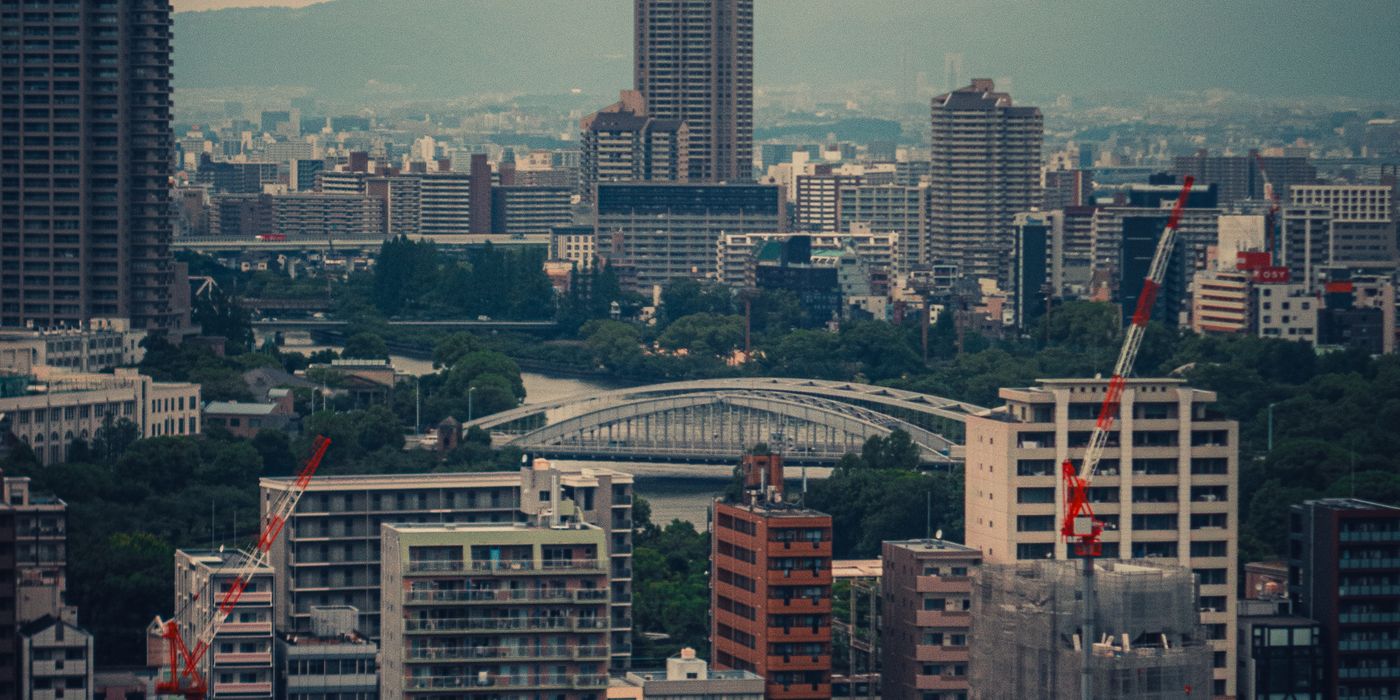
Osaka built a lot of hotel rooms for Expo 2025. The Expo ended in October of that year. The rooms did not go anywhere. That is the single most useful fact for anyone booking Osaka in late 2026, because it means a city that used to run tight on inventory now has slack in it, and slack shows up as price.
The other useful fact is that Osaka is smaller and more walkable than most people expect. Picking the wrong neighborhood in Tokyo can cost you 45 minutes each way. In Osaka the penalty is closer to 15. That lowers the stakes considerably, but it does not make the choice meaningless.
The short answer
If it is your first trip and you are here to eat and wander, stay in Namba. If your days revolve around the Shinkansen and day trips to Kyoto, Nara, or Himeji, stay in Umeda. If you want to save 10% to 20% without giving up much, stay in Honmachi, which sits between the two.
Everything after this is detail on why.
Namba and Minami, the one most people should book
Namba is the southern half of central Osaka and it is where the city keeps its personality. Dotonbori runs through it, the canal with the running man sign and the crab, and yes it is crowded and yes it is worth seeing once. The good part is what sits two streets back from it.
Hozenji Yokocho is a stone-paved alley about ninety seconds from the Dotonbori chaos with a moss-covered statue at one end and maybe fifteen tiny restaurants along it. Ura-Namba, the grid of streets southeast of the station, is where Osaka people actually drink. Standing bars, six seats, no English menu, roughly 400 yen a glass.
For food, Namba is the reason people come to Osaka. Takoyaki from a street window runs 500 to 700 yen for eight. Okonomiyaki at a counter place runs 900 to 1,400 yen. Kushikatsu in Shinsekai, one stop south, runs about 130 yen per skewer with the famous no-double-dipping rule on the communal sauce.

What you pay. Budget business hotels in Namba start around 6,500 to 9,000 yen a night, roughly $43 to $60. The Toyoko Inn and Dotonbori Hotel tier. Mid-range design properties like Cross Hotel Osaka and the Citadines run 15,000 to 28,000 yen, about $100 to $187. Weekend rates run 20% to 35% above weekday rates, which is a wider gap than most Japanese cities.
Who it suits. First-timers, people traveling to eat, anyone who wants to walk home at 1am rather than catch a train. Osaka subways stop around midnight, which matters more than you think.
The tradeoff. Noise. Rooms facing Dotonbori or the Shinsaibashi arcade get street sound until late. Ask for a high floor facing away from the canal.
Umeda and Kita, the one for day trips
Umeda is the northern hub, built around JR Osaka Station, and it looks like a different city. Glass towers, department stores stacked eight floors high, underground shopping that goes on for what feels like a kilometer because it does.
The case for Umeda is transport. JR Osaka Station puts you on the loop line and the lines out to Kyoto, Kobe, and Nara without changing. Shin-Osaka, the Shinkansen station, is one stop north on the Midosuji line, about four minutes. If you are doing Kyoto as a day trip, and a lot of people should because Kyoto hotel rates in autumn are punishing, Umeda saves you real time every single day.
The Umeda Sky Building is worth the 2,000 yen for the open-air rooftop, and it is one of the few observation decks in Japan where you stand outside rather than behind glass. Go at sunset. The escalator ride up through the gap between the two towers is the best part.

What you pay. Kita runs higher than Minami on average, mostly because the inventory skews toward business and upper-tier. Expect 12,000 to 20,000 yen for solid mid-range, about $80 to $133. The luxury tier lives here and around the bay, with the Conrad, the St Regis nearby in Honmachi, and W Osaka slightly south. Those start around 60,000 yen, roughly $400.
Who it suits. Business travelers, anyone using Osaka as a base for the Kansai region, people who want a quiet room and a proper breakfast.
The tradeoff. It is a little sterile in the evening. Umeda empties out after the department stores close and you end up taking the subway south for dinner anyway.
Honmachi, the value pick
Honmachi sits in the middle, roughly four minutes by subway from Namba and five from Umeda on the same Midosuji line. It is Osaka office country, which means it has no tourist draw of its own and therefore no tourist pricing.
Comparable rooms in Honmachi run 10% to 20% cheaper than the equivalent in Namba, and often more on weekends because the business demand that props up weekday rates disappears on Saturday. A 20,000 yen Friday room can be 13,000 on Sunday.
Who it suits. Repeat visitors, longer stays, anyone who values a quiet street and does not need to stumble home. Also good for families, because the room stock skews slightly larger.
The tradeoff. You will eat somewhere else most nights. That is a four-minute subway ride, not a hardship, but it is a decision you make every evening.
The other three worth knowing
Tennoji and Shinsekai. South end, anchored by Abeno Harukas, the tallest building in Japan at 300 meters. Cheapest hotel rates of any central area, often 5,000 to 8,000 yen. Shinsekai is the retro district with the Tsutenkaku tower and the kushikatsu joints. Rougher around the edges than the rest of central Osaka in a way that some people love and some people do not.
Osaka Bay and Yumeshima. This is where the Expo happened and where the hotel supply expanded most. If you are doing Universal Studios Japan, the bay hotels put you a short train ride away and price well below what the on-site properties charge. Otherwise it is a long way from dinner.
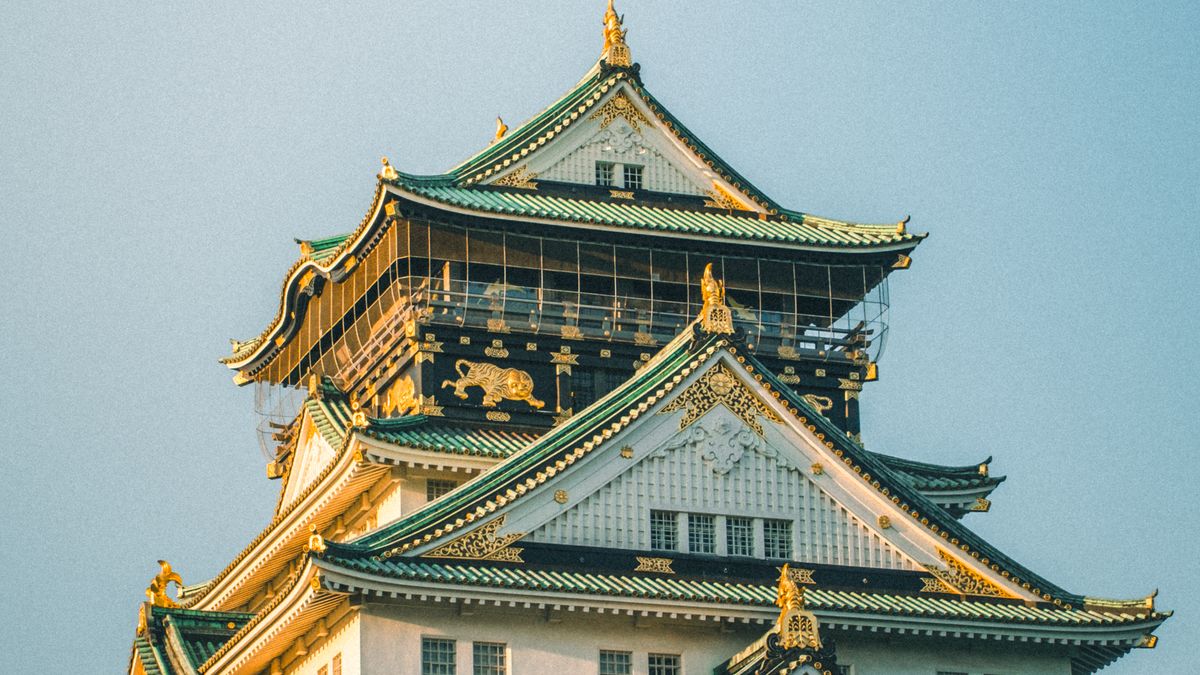
Kyobashi. Northeast, near Osaka Castle, well connected, unglamorous, and cheap. A good third choice if Namba and Honmachi are pricing badly for your dates.
When to go and what it costs
Osaka has four price tiers through the year.
Late March to early April is cherry blossom season and the most expensive stretch of the year. Rates run 40% to 60% above baseline and the good properties are gone by January.
Golden Week, roughly 29 April to 5 May, is a domestic travel spike. Similar premium, shorter window, and trains are packed.
Mid-November through early December is autumn colour season. Kyoto absorbs most of that demand, which is exactly why staying in Osaka and commuting works so well. Osaka runs maybe 15% above baseline while Kyoto runs 50% above.
January through early March, and June through mid-July, are the cheap months. January and February are cold and clear. June is the rainy season and genuinely wet, but rooms are at their annual floor and the city does not stop.
For a broader view of what a Japan trip costs across cities, we put together a Japan hotel budget breakdown that covers Tokyo, Kyoto, and Osaka side by side.
Practical things that save money
Buy an ICOCA card at the airport. It works on every subway, bus, and JR line in Kansai, plus most convenience stores. Loading 3,000 yen covers a couple of days of moving around.
Skip the JR Pass unless you are leaving Kansai. For an Osaka-based trip with day trips to Kyoto and Nara, individual tickets are cheaper. The pass only pays off if you are covering long Shinkansen distances.
Check the accommodation tax. Osaka charges a per-person, per-night lodging tax on rooms above 7,000 yen, on a sliding scale. It is small, usually 100 to 500 yen a night, but it is charged at the property and not always shown in the booking total. Japan is far from alone in this. We wrote about how tourist taxes work across Europe if you want the comparison.
Book weekdays if you can flex. The weekday to weekend spread in Osaka is unusually wide. Shifting a two-night stay from Friday and Saturday to Tuesday and Wednesday can cut 25% off.
And on the money coming back. A 15,000 yen room booked through Best returns 1,500 yen, which is roughly two rounds of takoyaki and a beer. Over six nights it covers a decent dinner in Ura-Namba.
Common questions
What is the best area to stay in Osaka for first-time visitors?
Namba, in the Minami district. It puts you inside walking distance of Dotonbori, Shinsaibashi, and most of the food the city is known for, and the subway connects you to everything else in under 15 minutes.
How much does a hotel in Osaka cost per night in 2026?
Budget business hotels run 6,500 to 9,000 yen, about $43 to $60. Mid-range design hotels run 15,000 to 28,000 yen, about $100 to $187. Luxury properties start around 60,000 yen, roughly $400. Honmachi runs 10% to 20% below Namba for comparable rooms.
Is Namba or Umeda better?
Namba is better for eating, nightlife, and first trips. Umeda is better if you are taking the Shinkansen or doing daily trips to Kyoto, Kobe, or Nara, since JR Osaka Station is there and Shin-Osaka is four minutes north.
Is Osaka cheaper than Tokyo or Kyoto?
Yes, on hotels. Osaka mid-range rooms typically run 20% to 30% below Tokyo and considerably below Kyoto during autumn and cherry blossom season. That gap is why many travelers now base in Osaka and day-trip to Kyoto.
When is the cheapest time to visit Osaka?
January through early March and June through mid-July. January is cold and dry, June is the rainy season. Both sit at the annual rate floor, often 30% to 40% below cherry blossom pricing.
Do I need a JR Pass for Osaka?
Not for an Osaka-based trip. Individual tickets plus an ICOCA card cost less than a pass if your longest trips are Kyoto, Nara, and Kobe. The pass only makes sense if you are covering long Shinkansen distances.
Images via Pexels and Wikimedia Commons, used under license.