Japan in 2026: What the Weak Yen Actually Means for Your Hotel Budget
Hotels in Tokyo that ran $140 a night twelve months ago are sitting at $95-110 right now. Here's what the weak yen actually means for your trip budget.

Hotels in Tokyo that ran $140 a night twelve months ago are sitting at $95-110 right now. Nothing changed about the hotels. The exchange rate did.
The yen has been weak against the dollar for the past three years, but 2026 is when the gap really matters for leisure travelers. Budget travel apps are showing daily costs in Japan that feel like 2014 prices. Business travelers who go regularly are noticing it. The window may not stay open forever.
Here's what the numbers actually look like, and how to plan a trip around them.
Why Hotels Are Cheaper Now

Japan's yen has traded at historic lows against the dollar, euro, and pound. At the time of writing, one US dollar buys roughly 145-152 yen. Five years ago, that rate was closer to 105-110. For a traveler paying in dollars, that's a 30-40% discount applied to everything priced in yen, including hotels.
The Bank of Japan kept interest rates near zero for years while other central banks raised them significantly. That rate differential drove foreign capital out of yen-denominated assets, weakening the currency. There are signs Japan may continue tightening policy, which could mean the yen strengthens and narrows the gap. Nobody knows when that happens. What we do know is that right now, the spread is real.
For a traveler spending 10 nights in Japan, the difference between current rates and pre-2020 rates can easily amount to $300-500 in hotel costs alone.
What Hotels Actually Cost in 2026
These are real ranges based on current rates in spring 2026, not promotional prices or outliers.
Capsule hotels and budget guesthouses run ¥2,500-6,000 per night ($17-42). These are genuinely comfortable options, especially the newer capsule hotels with private sleeping pods, charging outlets, AC, and shared lounges. The range is wide because quality varies a lot.
Business hotels run ¥8,000-15,000 ($55-105). This is the most useful tier for most travelers. Japanese business hotels are compact but extremely well-run. Chains like Dormy Inn, Daiwa Roynet, and APA deliver consistent quality. In Tokyo's Shinjuku or Shibuya, that's a well-located double room for $65-90.
Mid-range boutique hotels run ¥18,000-35,000 ($125-245). In Kyoto specifically, there are excellent ryokan-style boutique properties in this range with tatami rooms and traditional breakfast service.
Luxury hotels start at ¥60,000+ ($415+). A Hyatt Regency Tokyo that ran $500 eighteen months ago now sits around $320-360 in dollar terms.
Best Neighborhoods in Tokyo
Shinjuku is the most practical base. Major transit hub, dense with hotels at every price point. Budget around ¥9,000-16,000 for a solid double.
Asakusa is traditional and older, near Senso-ji temple. Hotel prices run 10-15% lower than comparable Shinjuku options. Better for travelers who want something outside the hypermodern Tokyo energy.
Shibuya is central but hotel prices skew higher because of location demand.
Ueno and Akihabara are both affordable and well-connected. Efficient if you're spending most of your time exploring the city.
Kyoto and Osaka
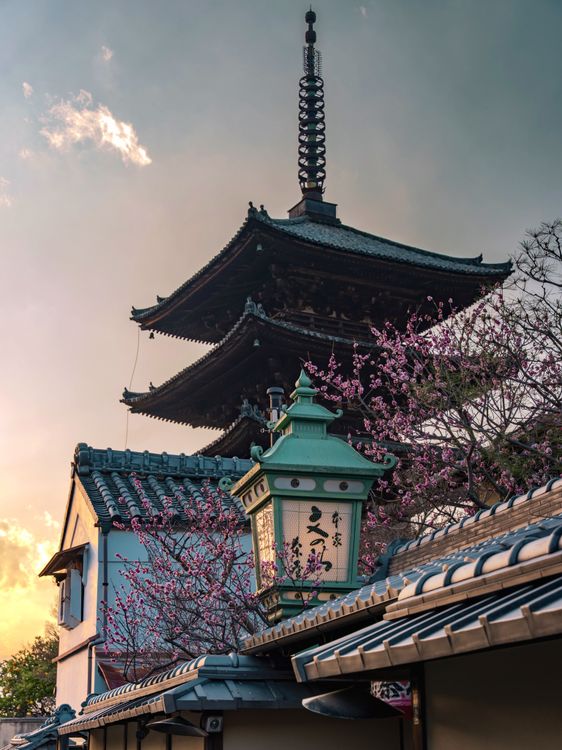
Tokyo gets the attention, but Kyoto and Osaka offer strong value too.
Kyoto's hotel market spikes sharply during cherry blossom season (late March through early April) and autumn foliage (mid-November). Outside those windows, the same hotel charging ¥30,000 in peak season runs ¥14,000-18,000. If you're not locked to those dates, the savings are significant.
The best-value area in Kyoto is around Kyoto Station. Not the most atmospheric neighborhood, but extremely convenient. A 15-minute walk puts you near the main temple circuits.
Osaka runs 15-20% cheaper than Tokyo for equivalent hotel quality. The Namba and Shinsaibashi areas are the most tourist-friendly. Good business hotels run ¥8,000-13,000 ($55-90) most of the year.
When to Go
Cherry blossom season (late March to mid-April) sends hotel prices spiking across the board. Some Kyoto properties triple their rates. Book months in advance or plan around it entirely.
Golden Week (late April to early May) is a major domestic travel period. Hotels fill fast in popular destinations.
Late May through June is rainy season, but prices drop and crowds thin out. September through early November is probably the best overall window: warm, clear, moderate prices before the foliage surge kicks in.
January and February offer the lowest hotel prices of the year. Kyoto in winter is calm in a way it rarely is the rest of the year.
How to Book
For the business hotel tier, global platforms work well and make comparison easy. Booking through Best gives you 10% cashback on top of whatever rate you find. On a ¥90,000 hotel bill (roughly $620 at current rates), that's $62 back automatically. Over a 10-night trip, it adds up.
Book mid-range and luxury hotels as far in advance as you can, especially for Kyoto. Popular properties sell out 60-90 days out during normal travel windows.
Frequently Asked Questions
How much does a mid-range hotel in Tokyo cost in 2026? A decent double room in a business hotel in central Tokyo runs between $60 and $105 per night at current exchange rates. Properties that were $120-140 a year ago have come down considerably in dollar terms due to the weak yen.
Is Japan good value for travel right now? Japan is exceptionally good value for dollar, euro, and pound travelers right now. The yen is at multi-decade lows, meaning everything priced in yen is 25-35% cheaper in foreign currency terms than five years ago.
What's the cheapest time to visit Japan? January and February offer the lowest hotel prices. September and October offer the best combination of good weather and moderate pricing.
Should I book Japan hotels in advance? For mid-range and luxury properties in Kyoto and Tokyo, book 6-8 weeks out at minimum. Budget hotels typically have more last-minute availability.
Images: Hero aerial Tokyo (photo 31298879), Kiyomizu-dera Temple (photo 34485674), Yasaka Pagoda (photo 36667035). All via Pexels, used under license.



