72 Hours in Taipei: A First-Timer's Guide to Taiwan's Capital in 2026

Taipei doesn't get the attention it deserves. Tokyo takes the travel calendar. Bangkok takes the cheap flights. Seoul takes the culture coverage. Taipei, which is smaller, cheaper, and arguably has better food than any of them, just keeps quietly doing its thing.
We keep sending friends here and they keep coming back confused about why they hadn't been sooner. In 2026, Taipei is the easiest first trip to Asia a Western traveler can plan. English signage everywhere. A metro that makes Tokyo's look complicated. Hotels at 80 to 140 dollars per night for well-designed four-star properties. Night markets that are free and open late. A coffee culture as developed as Melbourne's. All of it at a tenth of the friction of most Asian capitals.
This is a guide for 72 hours. You can do less. You can do more. But three days is the right dose for a first visit.
Where to Stay
Skip the old recommendation to stay in Ximending. It was the right answer fifteen years ago. Now it's a tourist zone that peaked, and the hotel quality hasn't kept up.
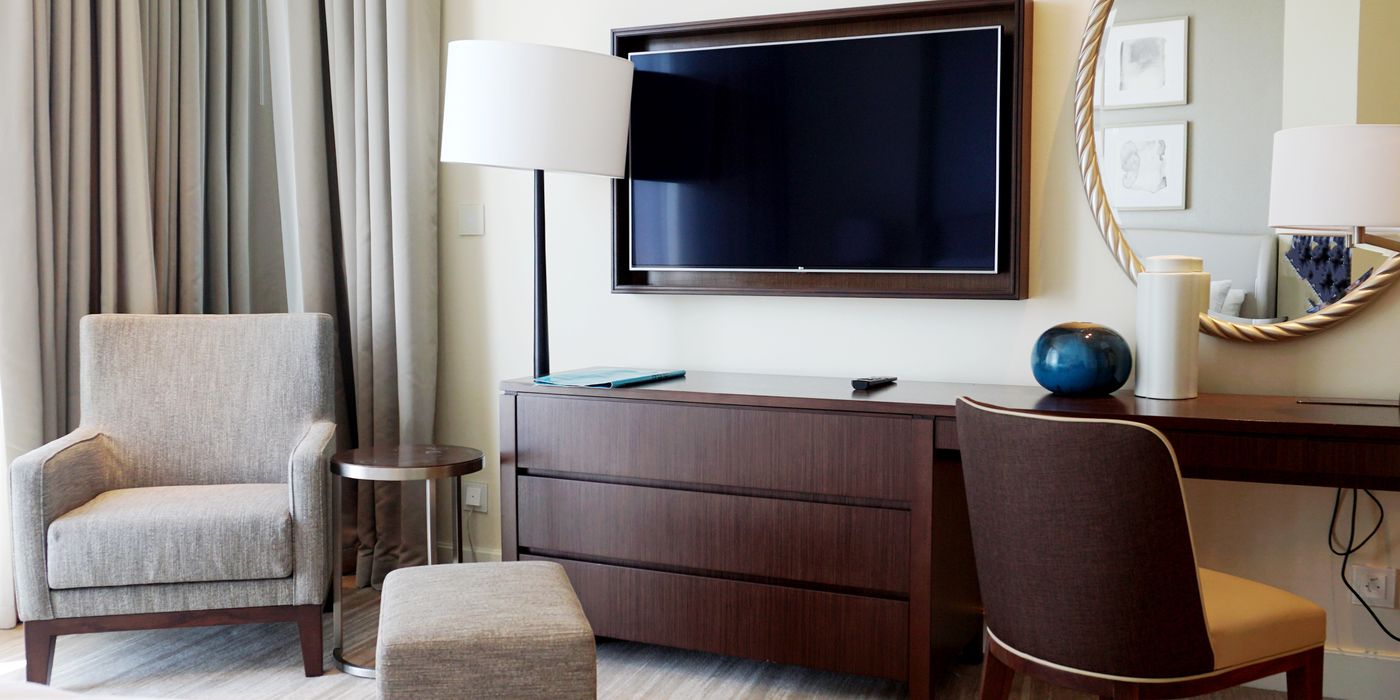
Stay in Da'an or Songshan if you want a calm, food-forward neighborhood with good coffee and walkable access to the metro. The Proverbs, S Hotel, and Home Hotel Da'an are three well-designed four-star properties in this part of the city, running 110 to 160 dollars in 2026.
Stay in Zhongshan if you want easier access to the main sights and a shorter train ride to the airport. The Place Taipei and MONO Hotel are solid options here at 90 to 130 dollars.
Stay in Xinyi if you want nightlife and shopping and don't mind paying Taipei's top prices. W Taipei and Grand Hyatt both run 280 to 400 dollars per night, which is as expensive as Taipei gets. Business travelers end up here. It's fine, but not the most interesting area to base yourself for 72 hours.

Day 1: Arrival and the Old City
Land at Taoyuan airport, take the MRT Airport Line to Taipei Main Station, 40 minutes, about 5 dollars. Check in, drop bags, get out.
Head to Dadaocheng, the old merchant district along the Tamsui River. This is the only part of central Taipei that still feels pre-modernization. Dihua Street is lined with restored tea shops, herbal medicine stores, and fabric merchants. Pop into Wang's Broth for beef noodle soup. This is the original, not a chain. A bowl costs about 4 dollars and it's among the better bowls of the dish in the city.
Walk south to the Longshan Temple. It's a working Buddhist and Taoist temple that's been active since 1738. Go in the late afternoon when the locals come to pray after work. Stand to the side and just watch. This isn't a tourist attraction dressed up. It's a functioning part of the city.
For dinner on your first night, go to Raohe Street Night Market. Taipei's night markets are the best in Asia for first-timers because they're organized, safe, and every stall has pictures. Raohe is more manageable than Shilin, the more famous one, and the food is marginally better. Eat at Fuzhou Shizu Hujiao Bing for the pepper pork bun that's cooked inside an actual tandoor oven. Also try the stinky tofu. Yes, really. It tastes better than it smells, and the fermentation character is what you came here for.
If you're still up, the bars on Anhe Road or in Da'an are where young locals actually go. Avoid anywhere with a cover charge.
Day 2: Mountains, Tea, and Taipei 101
Taipei is surrounded by mountains on three sides. You can be on a forest trail 15 minutes after leaving your hotel. Start early.
Take the MRT to Xiangshan Station. The Elephant Mountain Trail begins about 500 meters from the exit. The climb is all stairs, about 20 to 30 minutes to the main viewpoint, where Taipei 101 appears framed by the city below. Go at 7 am to skip the crowds and catch the city still waking up. Bring water. It's humid.
After the hike, head to Maokong. This is the tea-growing neighborhood in the mountains southeast of the city, reached by a gondola from Taipei Zoo Station. Thirty-minute ride, 3 dollars. Spend two or three hours at a tea house. Yao Yue and Maokong Tea Promenade are the two most reliable. You order a pot of high-mountain oolong, small bowl of tea eggs, maybe some tea-leaf tempura. You sit on a terrace. The tea gets refilled three, four, five times from the same leaves. This is how the city locals spend a Saturday afternoon. Do it slow.

Come back down in the late afternoon. Shower, change, head to Xinyi. Go up Taipei 101 for the observation deck if you haven't already done the Elephant Mountain view. The tower is 508 meters tall and was the world's tallest from 2004 to 2010. It costs about 20 dollars to go to the top. If you already have the Elephant Mountain photo, skip it. The view from the mountain is actually better.
Dinner at Din Tai Fung, because yes, it's worth it. This is the original chain. The Xinyi branch is the busiest. The Fuxing branch has shorter waits. Order xiaolongbao (soup dumplings), the pork chop fried rice, and the wontons with chili oil. Total cost per person, about 25 dollars, which is roughly half of what this meal costs at a Din Tai Fung outside Taiwan.
Day 3: Coffee, Markets, and Slower Moves
Take the morning slow. Taipei has one of the more developed specialty coffee scenes in Asia, and it rewards a morning of wandering. Try Simple Kaffa in Da'an, which was named best coffee shop in the world by a few international guides in 2024, or Coffee Rhapsody for a more minimal setup. Flat whites run 4 to 5 dollars. Sit for an hour. Nobody rushes you out.
From coffee, walk to Yongkang Street. This is a 4-block food corridor in Da'an that's dense with small restaurants, dessert shops, and bubble tea stands. Mango shaved ice at Smoothie House. Beef noodle soup at Yong Kang Beef Noodle. If you want to try mochi or Taiwanese pastries, Zhang Ji makes them fresh all day.
In the afternoon, head to the National Palace Museum. This is the primary cultural site in Taipei and it's genuinely one of the world's great museums. The collection covers 8,000 years of Chinese art, much of which was evacuated from mainland China during the civil war. Give it 3 hours. Pay attention to the jade cabbage and the meat-shaped stone. Yes, really. Those are the two most famous pieces. Both are much smaller than you expect. Both are worth seeing anyway.
For your last dinner, go somewhere that's entirely about the city itself. Mountain and Sea House is a Taiwanese restaurant in Da'an that serves the kind of home-style cooking that doesn't really exist outside Taiwan. Three-cup chicken, stir-fried water spinach, clams with basil. Six dishes, four people, 80 dollars total. This is Taipei on its best day.

What to Skip
Skip the Chiang Kai-shek Memorial Hall unless you have a specific interest in Taiwanese political history. The architecture is impressive but you're not going to spend 90 minutes there the way guidebooks suggest.
Skip Shilin Night Market. It's the famous one, and for that reason it's been overrun. Raohe is better, Tonghua is quieter, Ningxia has deeper food. Shilin exists for people who saw it in a Netflix special.
Skip the hot springs at Beitou unless you're staying overnight. They're fine but they require an hour each way on the MRT, and they're better as a slow half-day than squeezed into a 72-hour trip.
Getting Around
The Taipei MRT is the cleanest, cheapest, and easiest-to-use metro system in the world. Buy an EasyCard at any station for a 2-dollar deposit, load it with 10 dollars, and use it for three days. Cards also work on buses and at 7-Elevens for snacks.
Taxis are cheap by global standards. A 15-minute taxi ride in Taipei costs 6 to 9 dollars. Uber operates in the city and works exactly as you'd expect.
Biking is surprisingly pleasant. YouBike stations are everywhere and rentals cost about 50 cents per hour. The riverside bike paths along the Tamsui are 40 kilometers of flat, car-free riding if you want a morning of it.
What It Actually Costs
For 72 hours in Taipei, two people traveling mid-range:
Hotel, 3 nights at 120 dollars per night: 360 dollars.
Food, 3 meals per day for 2 people plus snacks and coffees: 320 dollars.
Transit and sightseeing, MRT, museum tickets, gondola: 80 dollars.
Total on the ground, not counting flights: 760 dollars for two, or 380 per person.
That's the whole weekend. Less than a night at a decent hotel in New York or London.
Flights from the US West Coast to Taipei run 700 to 1,000 dollars round trip in 2026. From the East Coast, 900 to 1,300. If you're pairing Taipei with another Asian city, which most people should, add a 3-day Taipei leg to a Japan or Hong Kong trip using EVA Air or China Airlines, and the marginal cost is small.
Booking your Taipei hotel through Best nets you 10 percent back on every night. On a 3-night stay at 120 dollars, that's 36 dollars, roughly a full dinner at Din Tai Fung for two.
FAQ
Is Taipei safe for first-time Asia travelers?
Yes, among the safest major cities in the world. Violent crime is rare. Street harassment is rare. Taiwanese locals are reliably helpful. Single travelers and families can both be comfortable here without taking special precautions.
Do I need to know Mandarin to visit Taipei?
No. Most signage in Taipei is in both Mandarin and English. Metro announcements are in three languages. Younger Taiwanese speak functional English, especially in service industries. Older locals may not, but you'll get by fine with translation apps and gestures.
Is the weather good in Taipei year-round?
October through April is the best weather. Summer (June to September) is hot and humid, with frequent afternoon thunderstorms. Typhoon season runs roughly July to October but actual typhoons affecting Taipei travel are rare. Winter is mild, averaging 15 to 20 degrees celsius.
How does Taipei compare to Tokyo or Seoul for first-timers?
Taipei is the easiest of the three. Smaller city, cheaper prices, more English signage, shorter subway system, and fewer of the subtle social rules that can trip up first-timers in Japan. If you have one city to pick for a first Asia trip, Taipei removes the most friction.
What's the best day trip from Taipei?
Jiufen. It's a former mining town on a hillside northeast of the city, famous for its tea houses and narrow alleys. Buses run regularly from Taipei and the round trip takes about 4 hours, leaving you 2 to 3 hours on the ground. Go in the late afternoon so you see the town in both daylight and at dusk when the red lanterns come on.
Images: Taipei skyline and street scenes via Pexels. Taipei 101 and night market via Pixabay. All used under license.