Spain's Shoulder Season Is Now Its Peak Season. Here's How to Still Book Cheap.

Spain is having its biggest tourism year on record. Flight bookings are up 32 percent year-over-year. Hotel searches are up 28 percent. And the growth isn't in July and August, which were already saturated. It's spilling into April, May, September, and October, the months travelers used to treat as off-peak.
What that means in practice is that shoulder season prices in Spain are starting to look like peak season prices did five years ago. The 80 euro room in Seville you remember from 2021 is now 140 euros. Barcelona hotels in May 2026 are pricing at levels that used to be reserved for August.
This isn't a doom post. It's a routing post. There's still real value in Spain if you know where the crowd isn't and when to book. We've been watching the pricing data at Best for the past six months. Here's what's still cheap, what's not, and how to book smart.
Why Spain's Shoulder Season Broke
Three things happened at once. First, summer Europe got too hot for too many travelers. The back-to-back 40-degree-celsius weeks in Spain and southern France in 2023 and 2024 pushed people into cooler months by default. Second, remote work freed up the calendar. Travelers with flexible schedules stopped treating July and August as the only option. Third, everyone started saying the same thing on Instagram. Shoulder season fewer crowds, better prices, and every travel site repeated it until the message reached enough people to become wrong.
May and September are no longer secrets. They're now the months everyone who can't stand August heat has decided to go instead. Spain's tourism board reports that shoulder season bookings are growing at roughly double the rate of peak summer bookings. Prices follow.
The Cities Where Shoulder Season Still Works
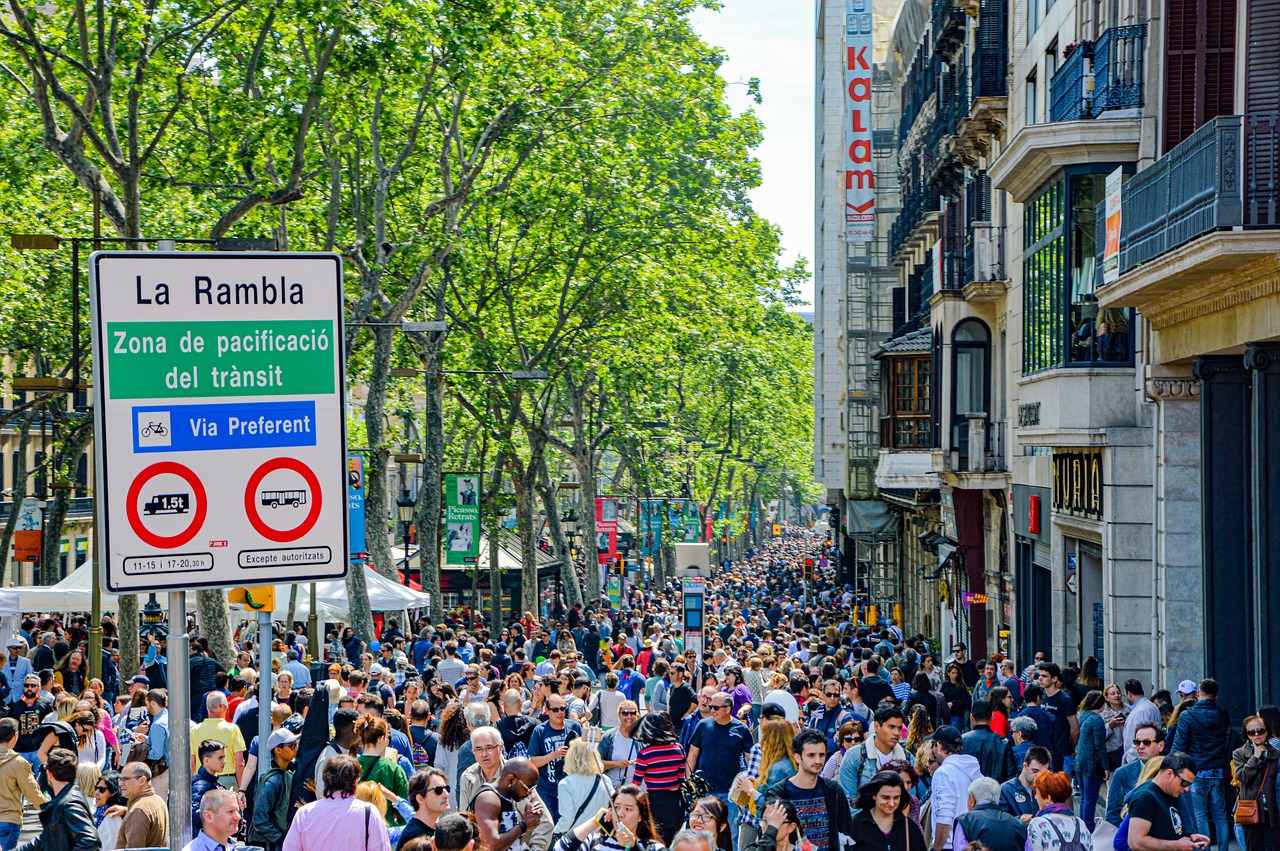
Barcelona and Madrid are done. So is Seville. These cities have adapted to year-round demand and their pricing reflects that. A mid-range Barcelona hotel in May 2026 is running 220 to 280 euros per night, within 15 percent of August rates.
The cities where shoulder season still works are the ones most travelers haven't added to their lists yet.
Valencia
Valencia is Spain's third-largest city and still prices like a secret. A four-star hotel in the old town in May runs 110 to 150 euros per night. The beach is a 15-minute bike ride from the center. Paella was invented here and the Saturday Central Market is one of Europe's great food halls. Valencia hasn't broken because it lacks one single landmark everyone has heard of. That's an advantage if you're looking for a city that's still itself.
Bilbao and San Sebastian
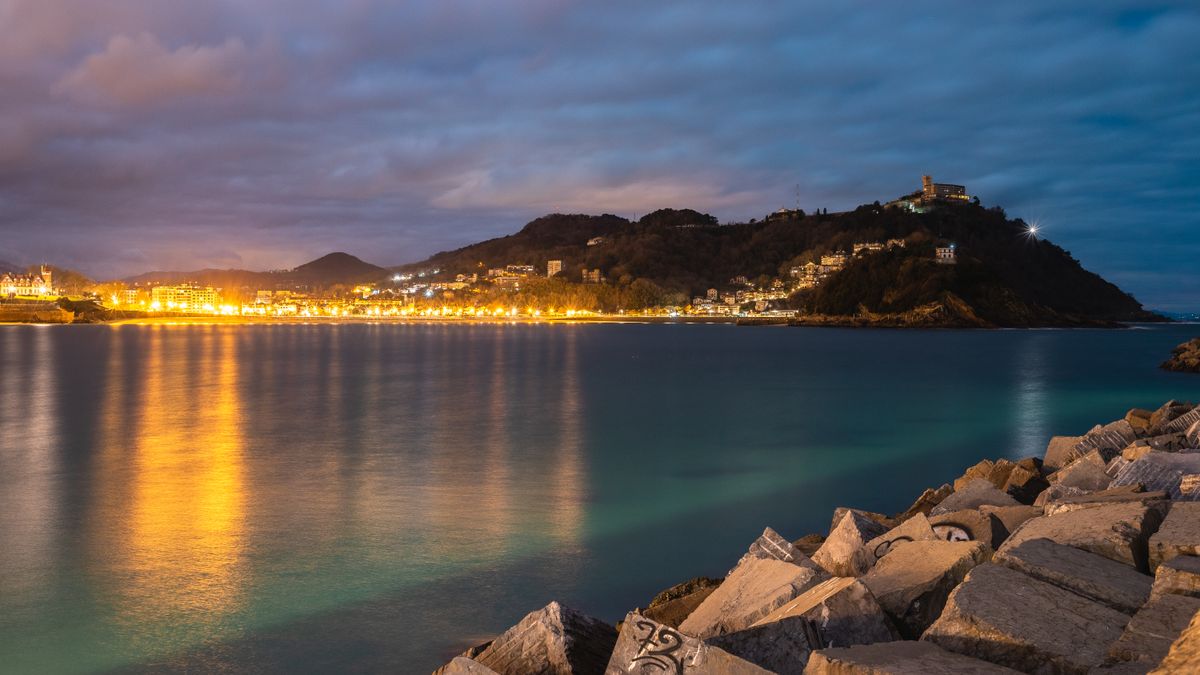
The Basque Country prices higher than Valencia, but it's still far below Barcelona. A San Sebastian four-star in June 2026 is pricing around 180 euros. Bilbao is cheaper, closer to 140. The food scene is the strongest per-capita in Spain, and the weather in shoulder season is perfect. This region peaks in August because everyone in Spain goes there. Avoid August and you're fine.
Granada
Granada is mid-sized, hilly, and sits at the foot of the Sierra Nevada. Hotel prices in the Albaicin neighborhood in May run 90 to 130 euros. The Alhambra tickets are the only thing you have to plan ahead for. Book those as soon as you know your dates, six weeks minimum, because they sell out.
Cadiz
Cadiz is a narrow peninsula on Spain's southwestern coast with 3,000 years of history and a beach at the end of almost every street. A small hotel in the old town in October is still pricing in the 90-euro range. October is warm enough to swim. Cadiz hasn't been ruined because the airport is inconvenient. You fly into Seville or Jerez and drive an hour. That's enough friction to keep the crowds manageable.
Santiago de Compostela
The end point of the Camino, a UNESCO-listed medieval city, and one of Spain's quietest major historical destinations. September is beautiful there and hotels run 80 to 120 euros. If you've done every major Spanish city already, this is probably the last one that still feels undiscovered.
Timing the Booking Window
The old rule for Europe was book 3 to 4 months in advance. That's out of date. For 2026 shoulder season Spain, we're seeing the best prices land in two specific windows.
The first window is 5 to 6 months out. Hotels with dynamic pricing often open inventory cheap to anchor their booking curve, then raise rates as the weeks close in. If you know you're going in September, booking in April is often cheaper than waiting until July.
The second window is the 10-day-out flash. Hotels with unsold rooms close to arrival will discount aggressively to fill. The risk is that the hotel you actually want will be gone by then. This strategy works for flexible travelers in secondary cities. It does not work in Barcelona or Madrid on a weekend.
Midweek stays are meaningfully cheaper than weekends in every Spanish city. A Tuesday-to-Thursday booking in Madrid will run 25 to 30 percent below a Friday-to-Sunday booking at the same hotel.
Avoiding the Peak Shoulder Trap
There's a specific week in May and a specific week in September that are now as expensive as August. Those are the weeks around the major city festivals and the week that happens to align with US and UK school half-term breaks.
Specifically, avoid the second week of May in Seville for the Feria, the last week of September in Madrid when the fall trade show calendar ramps up, and the full month of October for La Rioja because that's harvest season and the wine tourism crowd shows up. These are now peak-priced weeks hiding inside what used to be shoulder season.
If you have date flexibility, shift 10 days in either direction. Prices in the third week of May versus the second week of May in Seville can differ by 40 percent for the exact same hotel.

How Cashback Changes the Math
Every percent you save on a 2-week Spanish trip compounds. Take a standard 14-night trip across Barcelona, Valencia, and San Sebastian at an average 160 euros per night. That's 2,240 euros in hotels. Ten percent cashback is 224 euros back, which at current rates covers your round-trip train transport between those three cities.
This is why we built Best the way we did. Platform bookings with cashback let you capture 10 percent of the hotel cost no matter what rate you found. A 200-euro night on Best is a 180-euro night after cashback. A 250-euro peak night on Best is a 225-euro night. The cashback doesn't make peak rates cheap. It just takes a reliable 10 percent off whatever you booked, which over a two-week trip often funds an entire weekend somewhere else.
Where Prices Are Still Genuinely Cheap
If budget is the primary concern and you're willing to leave the main tourist corridors, Spain still has regions where travel is cheap by any European standard.
Extremadura, the region between Madrid and Portugal, has towns like Caceres and Merida with UNESCO sites and 60-euro-per-night four-star hotels in May and October. Galicia, in the northwest, has a coastline comparable to Portugal's Algarve at a third of the price. Almeria on the southeast coast has beaches and prices that haven't moved much. These aren't the postcard Spain most travelers picture. They're the Spain you visit on your third or fourth trip.
FAQ
Is Spain still cheaper than Italy or France in 2026?
In peak summer, Spain is now comparable to Italy in most major cities. In shoulder season, Spain still runs 10 to 20 percent cheaper than Italy and 15 to 25 percent cheaper than France. Secondary Spanish cities remain a bargain.
When is the cheapest month to visit Spain in 2026?
November. Weather is still mild in the south. Crowds are minimal. Hotel rates drop to their annual lows. The only trade-off is shorter daylight hours and some coastal destinations becoming quieter than you might want.
Should I book Spain hotels now for summer 2026?
For July and August, yes. Those dates are already filling and summer rates will keep climbing. For May, September, and October, you have more time, but secondary cities with limited four-star inventory still benefit from booking at least 3 months out.
Is it cheaper to book Spain hotels directly or through a platform?
Platform rates with cashback usually win. Direct hotel rates rarely beat OTA rates by more than 5 percent, and 10 percent cashback through a platform like Best nets you below either. Plus the flexibility of platform booking usually outweighs the marginal savings of going direct.
What's the best way to get around Spain between cities?
High-speed rail. Spain's AVE network connects all the major cities and is cheaper than domestic flights once you factor in airport time. Madrid to Barcelona is 2.5 hours by train, station to station.
Images: Coastal Spain and San Sebastian bay via Pexels. Barcelona Las Ramblas and Mediterranean beach via Pixabay. All used under license.