Why 2026 Travelers Are Choosing Nordic Summers Over the Mediterranean

For the past two decades, European summer meant one of four places. Greek islands. Amalfi Coast. Costa del Sol. South of France. The warm-water coastline between Nice and Mykonos absorbed almost every vacation photo posted on Instagram in July.
That's changing fast. Google's 2026 travel trends report shows Norway, Finland, and Iceland with triple-digit year-over-year increases in summer hotel searches. Tour operators are reporting record early bookings for the Nordic countries. Pricing data confirms it. Nordic summer hotel rates have jumped 18 to 24 percent compared to summer 2025, while Mediterranean summer rates are up only 4 to 6 percent. The Nordics are the fastest-growing summer destination in Europe.
It's not a mystery why. Mediterranean summers got too hot, too crowded, and too expensive at the same time. The Nordics offer what Mediterranean summers used to feel like, at prices that used to sound unreasonable and now feel reasonable by comparison.
The 40-Degree Problem
Southern Europe hit 40 degrees celsius for weeks at a time across the last three summers. Athens closed the Acropolis during peak afternoon heat. Italian emergency rooms filled with heatstroke cases. Spanish cities posted official warnings telling tourists to stay indoors from 11 to 6. At some point, the vacation experience most travelers remembered from 2010 simply isn't available in the same destinations in 2026.
The Nordic summer is different. Reykjavik averages 13 degrees celsius in July. Oslo runs a very comfortable 20 to 23. Helsinki is similar. Evenings stay light until 11 pm or later. The water in a Norwegian fjord in July is cold enough that you probably won't swim in it, but the air is perfect for hiking. The trade-off is clear. You lose the beach. You gain cool, long, outdoor days.

What Nordic Summer Actually Costs in 2026
The sticker shock comes at the flight. New York to Reykjavik in July 2026 is running 650 to 900 dollars round-trip. New York to Oslo is 750 to 1,100. New York to Helsinki is similar. That's 20 to 30 percent more than a flight to Lisbon or Athens, and 50 percent more than a flight to Rome.
On the ground, the story is mixed. Nordic hotels are expensive. A mid-range four-star in Oslo or Reykjavik runs 250 to 350 dollars per night in July. But meals, transit, and experiences cost roughly what they cost in major European capitals. And the volume of tourism is still low enough that booking a week out is often possible, which is no longer true for Mediterranean hotspots in August.
The math gets better if you travel outside the capital. Rural Norway hotels run 140 to 220 dollars. Icelandic countryside guesthouses are 100 to 180. Finnish lake cabins rent for 80 to 140 per night for two, and those are the genuinely unique places to stay. Whatever you save on Nordic hotels outside the cities, you can then put toward flights and car rental, which is where the Nordic experience actually lives.
Where to Go
Western Norway
The fjord country between Bergen and Alesund is the postcard Norway everyone pictures. Seven to nine days gives you a proper loop. Fly into Bergen, drive north through Flam, Geiranger, and the Sognefjord region, end in Alesund, and fly home from there or Trondheim. July and early August are peak season, but peak here still feels spacious. Book the famous hotels a few months out. The lesser-known ones are available a week out.
What this trip actually costs for two people, flights in shoulder season summer included, runs about 4,500 to 5,500 dollars. That's not cheap. It is cheaper than the same itinerary was two summers ago in real terms, because while Norway raised prices, Italy raised them more.
Iceland's Ring Road
Iceland's Ring Road is the trip that's been quietly working for a decade. You land at Keflavik, pick up a rental car, and drive a clockwise loop around the entire country in 8 to 12 days. Waterfalls, black sand beaches, glaciers, volcanic fields, geothermal lagoons, puffin colonies. The Ring Road is a highway designed to let you see most of the country by driving, and it does exactly that.
Summer is when this trip is actually open. In winter, large sections of the ring close for weather. June through early September, everything is accessible.
We priced a 10-day Ring Road trip in June 2026 for two people. Flights from Boston, mid-range hotels and guesthouses, rental car, gas, food. All in: roughly 4,200 dollars. That's comparable to a Greek island trip of the same length booked today.
Finnish Lake District
Finland is the least-visited of the major Nordic countries and the quietest. The Lake District in central and eastern Finland is where Finns actually go on vacation. You rent a wooden cabin, called a mokki, on a private lake with a sauna and a rowboat, for 80 to 150 dollars per night. You stay three to five nights, swim in the lake, eat, sleep, read a book, repeat.
This is not a sightseeing trip. It's a slow-travel trip for people who want to actually rest. Helsinki on the front and back end for a day each gives you urban bookends. Get there via the direct flights from New York or via Stockholm.
Swedish Archipelago
If you want the Nordic version of the Greek islands, Sweden has it. The Stockholm archipelago is 30,000 islands fanning out from the city. You can take a 90-minute ferry to Sandhamn, an hour to Vaxholm, or a full day out to Moja and actually feel like you've gotten away. Hotels on the islands cost similar to Stockholm, 180 to 280 dollars per night, but the setting changes completely.
The archipelago works as a 3- to 5-night extension on either end of a Stockholm city trip. August is peak. June is quieter and just as warm.
What You Give Up
The beach experience is not really available in Nordic summer. Yes, there are beaches. Yes, Finns and Norwegians swim in them. The water is 13 to 16 degrees celsius and most travelers from warmer climates will not be comfortable in it. If your summer vacation requires hours of lying on sand and swimming in warm water, the Nordics are not your destination.
The nightlife is also muted. Nordic capitals have good bars and restaurants, but they're not Madrid or Rome. The rhythm of the evening is earlier, quieter, and shorter. The trade-off is that you get natural light until nearly midnight, which means dinner on a terrace at 10 pm in full sun is a real thing.

Booking Smart
Nordic hotel booking in 2026 favors platform bookings for one specific reason. The three largest hotel chains in the region, Nordic Choice, Scandic, and Radisson Nordic, are all on the major OTAs with flexible cancellation terms. Direct booking rarely matches OTA rates and often comes with worse cancellation policies. Since Nordic weather can change plans fast, flexibility matters more here than in Spain or Italy.
Booking Nordic hotels through Best puts 10 percent back on every night. On a two-week Nordic trip averaging 220 dollars per night, that's 308 dollars. At current ticket prices, that's most of one round-trip train from Bergen to Oslo.
What's Driving the Shift
Three things, in order of importance. First, climate. Mediterranean summers are increasingly uncomfortable for a meaningful share of travelers. Second, crowding. Santorini, Dubrovnik, and Venice are on tourism caps or soft caps. Barcelona has been vocal about its frustration with summer tourism numbers. The Nordics are still welcoming. Third, a generation of travelers who grew up on Scandinavian design, food, and cinema is now in their peak travel years. That creates real demand for destinations most of their parents never considered.
Google's 2026 data shows the shift is durable, not a one-summer spike. Search interest in Nordic summer destinations has been growing steadily for three years. 2026 is the year it became a mainstream option instead of a niche one.
FAQ
When is the best month for Nordic summer travel in 2026?
July and early August for the warmest, longest days. June for the longest days (summer solstice) and quieter crowds. Late August and early September for the best combination of mild weather and reduced rates.
Is Iceland cheaper than Norway in 2026?
Iceland is cheaper on flights from the US, thanks to Icelandair's hub strategy. Hotel prices are roughly comparable. Food and rental cars are 10 to 15 percent cheaper in Iceland. Overall, a Ring Road trip in Iceland is about 15 percent cheaper than an equivalent-length fjord trip in Norway.
Do I need a rental car for Nordic summer travel?
For Iceland, yes. For Norway fjord country, yes unless you're on a cruise. For Finland and Sweden, no if you're staying in the capital region. Public transit and trains are excellent in both countries.
Is the midnight sun worth timing a trip around?
Yes, at least once. Travel to Tromso, Norway between mid-May and late July, or anywhere in Iceland between early June and mid-July, and you'll experience 24-hour daylight. It changes your sense of time in a way that's hard to describe. The experience is especially worth it in a mountain setting where you can hike at 1 am in full sun.
What should I pack differently for Nordic summer?
Layers. Waterproof jacket. Real shoes, not sandals. Hat and gloves if you're going into mountains or onto a boat. Swimsuit just in case. A sleep mask for the extended daylight.
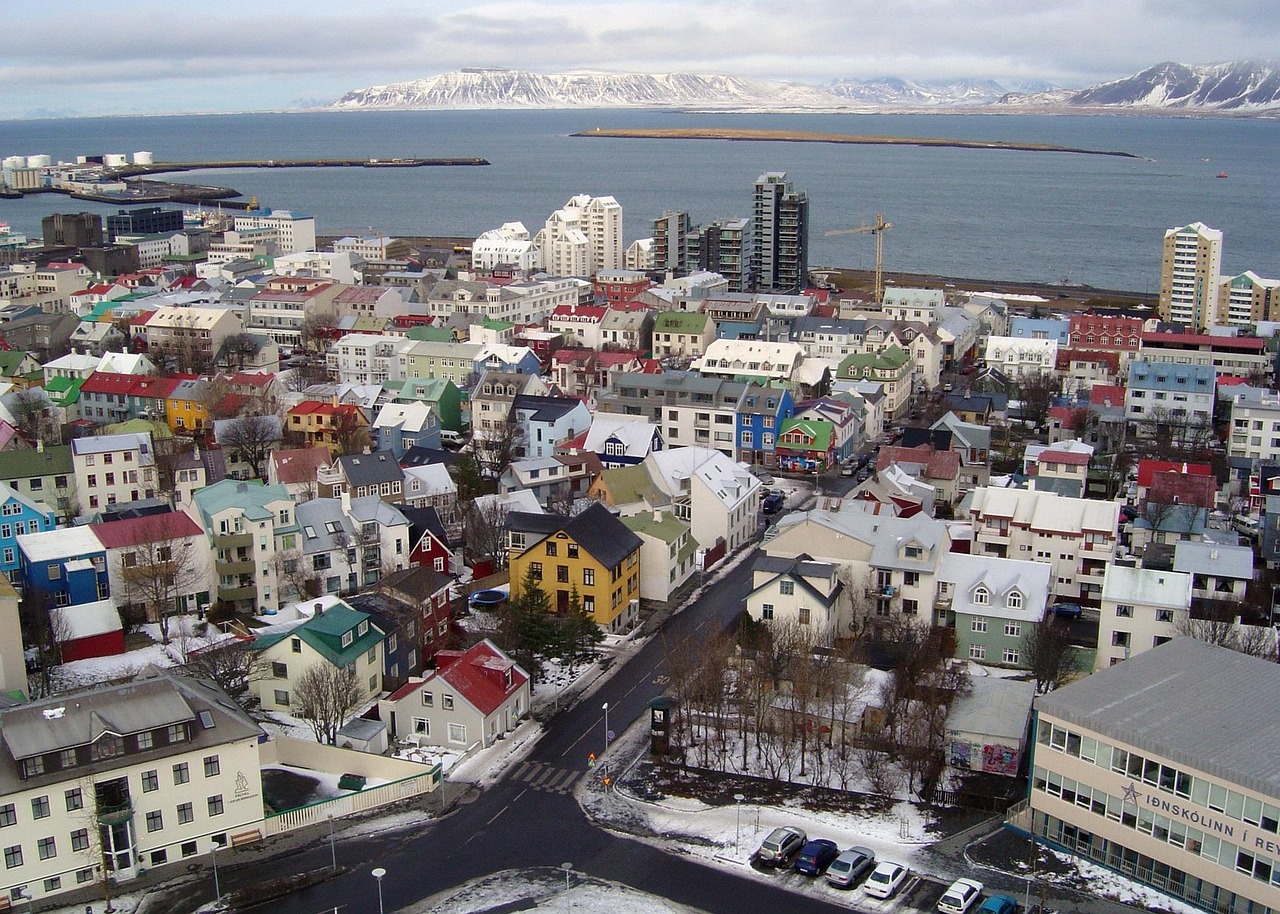
Images: Norwegian fjord, Iceland coastline, and Finnish lakeside via Pexels. Reykjavik skyline via Pixabay. All used under license.



