72 Hours in Mexico City: Why Summer Beats Winter (Hotels Under $130)
Mexico City is one of the few major capitals where summer is the cheap season. Tourists who fly in from the United States assume the opposite. They picture Yucatán heat, imagine the same thing happens at altitude, and book their trip in February or October instead. The math doesn't work like that. Mexico City sits at 7,350 feet. The summer high in August averages 73°F. It rains in the late afternoons, sometimes hard, and then the city smells like wet stone and bougainvillea and everything is fine again.
The pricing follows the misconception. Hotels that run $220 a night in late October drop to $115 in August. Some boutique 4-stars in Roma and Condesa run under $100 if you book a month out. We've been going to Mexico City three or four times a year for the last decade, and summer is when we always end up with the best rooms.
This is a 72-hour plan that works. Three days, three neighborhoods, three hotel options under $130. No "ultimate" claims, no "must-see" lists. Just what we'd actually do.
The weather thing most travelers get wrong
Mexico City's summer weather is genuinely pleasant. Daytime hovers in the low 70s. Rain comes between 4pm and 7pm most days in July and August, lasts 30 to 90 minutes, and then the evening clears up. Restaurants have awnings. Cabs run during rain without surge pricing (the apps tend to be reasonable here). The only thing you need is a light jacket for evenings and an umbrella you'll forget at a coffee shop.
Winter is dryer but also more polluted. The thermal inversions in January and February trap exhaust in the valley and the air quality genuinely worsens. Summer rain washes the air. If you've ever come back from a winter trip to CDMX with a sore throat, that's why.
Where to stay under $130
Three neighborhoods are the sweet spot for first-timers. Roma Norte is the easy pick if you want walkable, food-forward, and central. Condesa is the same equation but quieter, with the Parque México loop at its center. Juárez is the rougher edge of nice (in a good way), more local than touristy, and the closest to Centro Histórico.
Specific hotels we'd book this summer in each. In Roma Norte, the Casai Roma Norte serviced apartments run $98 to $130 in August. In Condesa, the Hotel Condesa DF is the design landmark and the king-bed rooms sit at $125 to $145 in low season. In Juárez, Casa Pancha is the under-the-radar pick at $85 to $110 with a small rooftop and decent breakfast included.
One neighborhood we'd skip for a first visit. Polanco. It's where the high-end hotels cluster and where most business travelers stay, but it's not where the city actually lives. Save Polanco for when you have someone to take you to Pujol or Quintonil.

Day 1: Roma and Condesa on foot
Wake up early. Walk to Panadería Rosetta on Calle Colima for the guava roll and a cortado. It opens at 7am and the queue at 9am is real. The room is small and you eat standing up or at the high tables outside. The guava roll is the one you've seen on Instagram for five years. It earns the hype.
Walk south through Roma Norte to Parque México. The Art Deco buildings around the park are some of the best in the western hemisphere and almost nobody photographs them. Loop the park once. There's a French bulldog meet-up most Saturdays around 11am that's worth seeing if your trip overlaps.
Lunch at Contramar if you have a reservation. If you don't, walk five blocks to El Parnita and order the tacos al pastor and the queso fundido. Cash works, cards work, the room is loud, and you'll spend $25 for two people with beers.
Afternoon: walk back through Condesa to the Museo Soumaya in Polanco only if you've never seen it. The Slim family's collection is mixed but the building itself is worth one visit. Otherwise, the Museo del Objeto del Objeto (MODO) in Roma is more interesting and takes 90 minutes.
Dinner at Máximo Bistrot if you can get in. If not, walk to Lardo for the pasta and the bread program. Both are by the same chef. Lardo is easier to walk into.
Day 2: Centro Histórico
Take an Uber to the Zócalo in the morning. The square at 9am has space to breathe. By noon it's tour groups and you'll want to be somewhere else.
The Templo Mayor museum is free on Sundays and crowded. Go on a weekday morning, pay the 95-peso entrance, and spend 90 minutes. The contrast between the Aztec ruins and the Spanish cathedral right next to them is the city in one block.
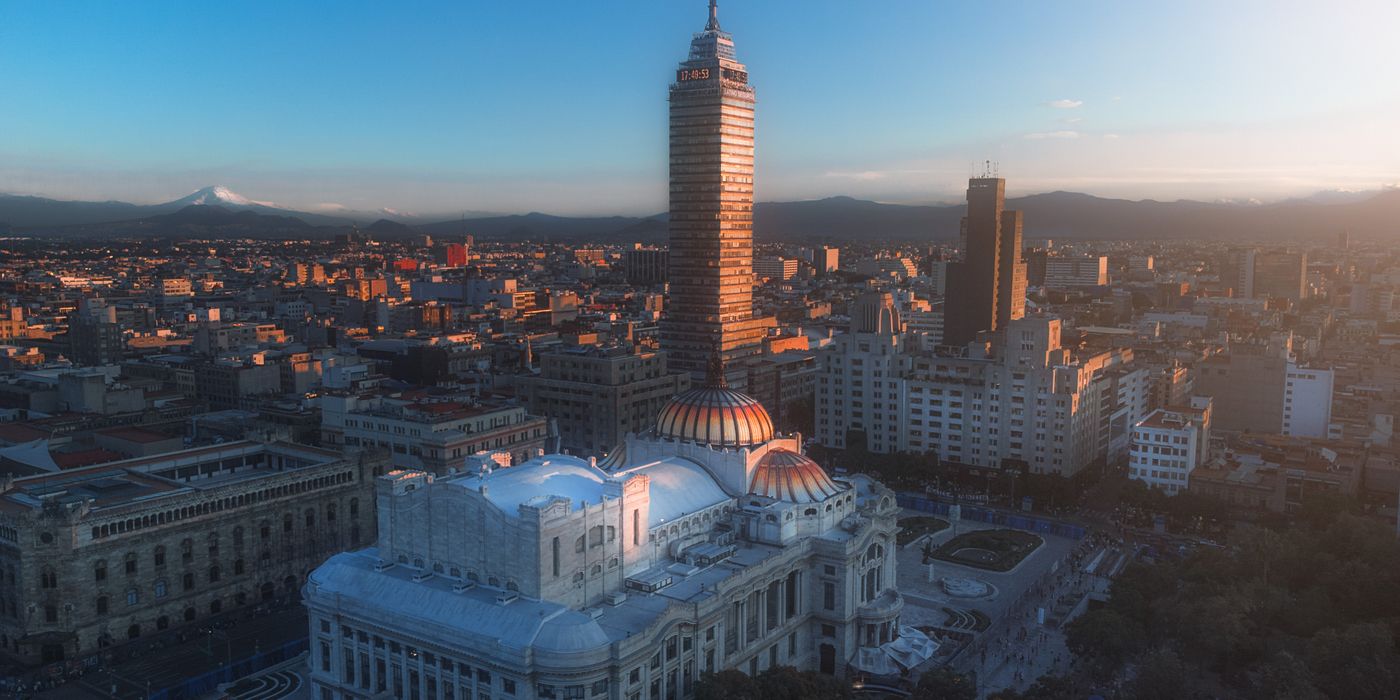
Walk to Palacio de Bellas Artes. The Diego Rivera and David Alfaro Siqueiros murals on the second and third floors are the best argument for buying a ticket to anything in the city. If you only have time for one thing in Centro, this is it. Across the street, the Sears building has a coffee shop on the eighth floor with the best view of Bellas Artes for the price of a $3 cappuccino.
Lunch at Café de Tacuba for the standard tourist version of mole poblano (it's actually still good after 100 years) or at El Cardenal if you want a more serious Mexican breakfast that runs into lunch. Both are inside Centro.
Afternoon: walk to Mercado de San Juan for the food market that supplies most of the city's restaurants. The Iberian ham counter (Deli Caseros) does ham and cheese boards for $12. The chiles stall on the back wall is where chefs source. Buy one bag of dried chiles to take home if you cook.
Evening: walk to Bar La Opera on Cinco de Mayo for the bullet hole in the ceiling (allegedly Pancho Villa) and a $7 mezcal. Then dinner at Limosneros for elevated Mexican cooking that doesn't cost what Pujol costs.
Day 3: Coyoacán and Xochimilco
Coyoacán is 30 minutes south by Uber, plan on $12 to $15 each way. Go for Frida Kahlo's Casa Azul (book the timed ticket online a week ahead, do not just show up), then walk the plaza and have lunch at Los Danzantes in San Ángel. The mole here is different from Centro. Lighter, more cacao, less chile.
Skip Xochimilco unless you have four people. The trajinera boat rentals make sense for groups and feel awkward for couples or solos. If you do go, hire a boat at Embarcadero Cuemanco (less touristy than Nuevo Nativitas), expect to spend two hours on the water, and bring cash for the food boats.
Last dinner: go back to your neighborhood and eat at the place you walked past on day one and wished you'd tried. Mexico City rewards that kind of trip. The best meal is almost always the one you didn't plan.
How to book the hotel
Mexico City hotel pricing on major booking sites tends to be 5% to 15% above what the hotels charge direct, but the cashback flips the math. Book through Best and the same $115-a-night Roma room comes with $11.50 back. Across a three-night stay that's $34.50 in your account, which covers most of a meal at El Parnita.
Two things to check before you book. First, the cancellation window. Mexico City hotels increasingly default to non-refundable for the cheaper rates. The flexible rate is worth the $8 to $12 extra per night because the city is one weather forecast away from a different trip plan. Second, the breakfast included rate vs the room-only rate. Mexican hotel breakfasts are usually closer to brunch and the per-person price tends to be reasonable. If breakfast is under $15 per person extra, it's worth it.
What to skip
Skip the Frida Kahlo museum walking tour packages. The museum on its own is great. The "Frida walking tour" tacked on adds 90 minutes of waiting outside houses where she lived for six months in 1929. Skip the lucha libre arena unless you're already a fan. The experience is fine and tourist-heavy. Skip the cooking class unless you're in a group of friends. Solo cooking classes in CDMX tend to be hit or miss and the price is high relative to just eating at the restaurants.
Frequently asked questions
Is Mexico City safe for tourists in 2026?
The neighborhoods we recommend (Roma, Condesa, Juárez, Coyoacán, Centro) are safe for normal tourist activity. Same rules as any major city. Don't flash valuables, use Uber instead of street taxis after dark, keep your phone out of sight on public transit. We've walked Roma at midnight more times than we can count.
What's the cheapest time to go to Mexico City?
June through early September is low season for international tourists. Hotels run 25% to 40% below their fall and spring rates. The exception is late June through early July if Pride or any major event is happening, which tends to push specific weekends higher.
Do I need to book restaurants in advance?
Pujol and Quintonil yes, two to three weeks out. Contramar yes, a week out for weekends. Most other restaurants take walk-ins or one-day-out OpenTable reservations. The street tacos and market stalls never need a reservation and are often the best meal of the trip.
How do I get around Mexico City?
Uber is cheap, safe, and reliable. The metro works but is crowded at peak and not always comfortable for tourists with luggage or limited Spanish. The Metrobús (BRT lanes) is faster than the metro for some routes. Walking inside Roma, Condesa, and Centro is the right move when the weather cooperates.
Does Best work for Mexico City hotels?
Yes. Best gives 10% cashback on hotel bookings across Mexico City including Roma, Condesa, Polanco, and Centro Histórico. On a three-night stay at $115 a night, that's $34.50 back in your account.
Images: Hero cityscape of Mexico City via Pexels. Aerial of Chapultepec park via Pexels. Mexico City skyline via Pixabay. All used under their respective free licenses.