Madeira Is 2026’s Trending Destination. What a Trip Really Costs
Tripadvisor named Madeira its top trending destination for 2026. Real hotel rates, food and car costs, where to stay, and the honest downsides.

Tripadvisor named Madeira its top trending destination for 2026, and the booking data backs it up. The Portuguese island that spent decades as a quiet stop for retirees on cruise ships has become the place adventure travelers, hikers, and remote workers are all converging at once. Search interest and bookings have climbed steadily since last year, and this fall the island will be busier than any autumn in its history.
So what does a Madeira trip actually cost in 2026, and is it still good value now that everyone's going? We ran the numbers.
Why Madeira, and why now
Madeira sits 900km southwest of Lisbon in the Atlantic, closer to Morocco than to mainland Portugal. Its pitch is unusual for a European island. The draw isn't beaches, which are mostly rocky. It's the terrain. A volcanic spine rising 1,800 meters straight from the ocean, laced with levadas, the old irrigation channels whose maintenance paths now form one of the world's best networks of walking trails. Add year-round temperatures between 17 and 26 degrees, and you have an island that works in February as well as it does in July.
That 12-month season is exactly why it's trending. As summer crowds and heat waves push travelers away from the Mediterranean's peak months, Madeira offers Europe a mild-weather alternative that never really closes. The island also courted remote workers early with a dedicated digital nomad village in Ponta do Sol, and that community has kept hotels busy in months that used to be dead.

What a night costs in 2026
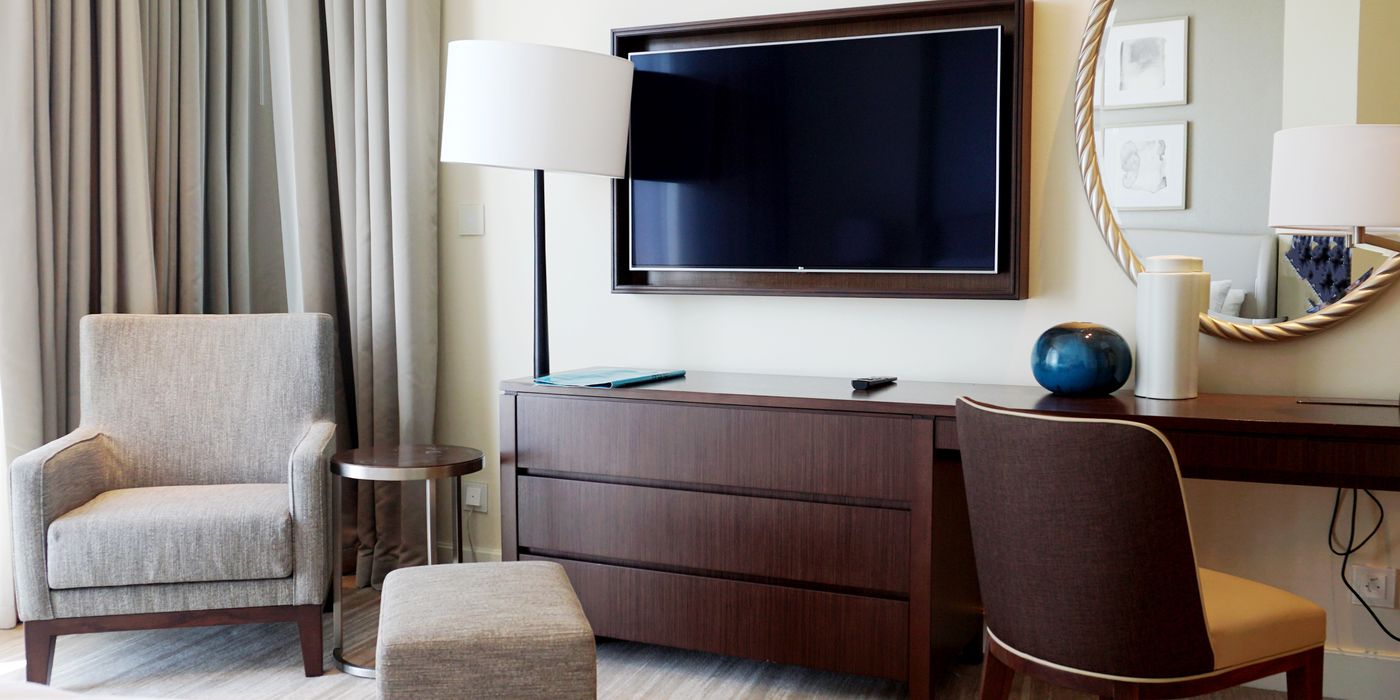
A mid-range hotel in Funchal, the capital, runs 90 to 150 euros per night in 2026. Four-star properties with ocean views sit around 130 to 200 euros, and the island's five-star cliff-top classics run 250 to 400 euros. Outside Funchal, guesthouses and quintas in the hill towns drop to 60 to 100 euros, often with breakfast and views the Funchal hotels charge double for.
The seasonal spread is narrower than mainland Europe because the weather never collapses. Expect rates 20 to 30 percent higher over Christmas, New Year, and the late-July to August window, when the island fills with Portuguese mainland visitors. The famous New Year fireworks over Funchal harbor are the single most expensive week of the year, and hotels there sell out months ahead. The cheapest reliable window is late January through March, excluding Carnival week.
The rest of the budget
Food remains one of Madeira's quiet advantages. A prato do dia lunch in a local tasca costs 8 to 12 euros. Dinner for two with wine at a good Funchal restaurant runs 40 to 60 euros. The espetada, black scabbard fish, and poncha are all cheap, local, and better than they need to be. Compared with the Algarve in season, restaurant bills run roughly a third lower.
A rental car is the one non-negotiable cost for most visitors, at 30 to 50 euros per day in 2026. The bus network is real but slow, and the trailheads you came for are scattered across the island. Budget for tunnels-and-cliffs driving that's dramatic but genuinely easy. Fuel for a week of island exploring rarely tops 60 euros because nothing is more than 90 minutes away.
Put together, a week for two in a mid-range Funchal hotel with a car, restaurant meals, and a couple of paid activities lands between 1,600 and 2,200 euros, flights aside. The same week on a comparable Canary or Balearic island in season costs noticeably more, which is a large part of why the crowds are shifting.

Where to stay on the island
Funchal is the right base for a first visit. The hotel zone west of the center has the ocean-view properties, while the old town puts you among the restaurants and the cable car to Monte. Staying in Funchal means eating well every night without driving.
Hikers should consider splitting the stay. A few nights in Funchal, then a few in the north or the highlands. Sao Vicente and Santana on the north coast put the best levadas at your doorstep, and Santana has the island's most photographed traditional houses. The east coast town of Machico works as a quieter, cheaper alternative to Funchal with a rare sandy beach.
Ponta do Sol suits longer stays. The nomad village infrastructure means reliable wifi and a built-in community, and the town gets the most sunshine hours on the island, which is where it got its name.
Getting there without overpaying
Funchal's airport now has direct flights from most major European cities, and the London, Lisbon, and Porto routes run daily year-round. From North America, the practical routing is through Lisbon, with the connecting hop taking 90 minutes. Fares from the US East Coast have been landing between 550 and 800 dollars round trip in shoulder months, jumping past 1,100 in the Christmas window.
Two booking notes specific to the island. Fly into the trip with a day of slack on the far end, because wind diversions to Porto Santo or the mainland do happen, mostly between November and February. And price the Lisbon stopover deliberately. Portugal's flag carrier allows multi-day stopovers at no fare penalty, which turns one trip into two cities. Pairing a Madeira week with a few Lisbon nights is the most efficient version of this trip, and our Lisbon neighborhood guide covers where to base those nights.
The honest downsides
Madeira's popularity is showing. The most famous trails, especially the Pico do Arieiro to Pico Ruivo ridge walk, now see sunrise queues in summer, and the government introduced a modest fee for the marquee hikes to fund maintenance. Book the popular levada walks early in the day or go shoulder season. Flights are the other catch. The island's airport is famously wind-affected, and diversions happen a few days a month in winter. Build a buffer day before any connection you can't miss.
None of this changes the math. Madeira in 2026 is still that rare trending destination where the prices haven't caught up to the attention yet. If you're comparing it against a fall trip elsewhere in Europe, our shoulder season booking guide and our tourist tax rundown are useful companions. And wherever you land, Best pays 10 percent cashback on the room, which on a week in Funchal covers most of the rental car.
Frequently asked questions
How expensive is Madeira compared to mainland Portugal?
Hotels cost about the same as Lisbon, with mid-range Funchal rooms at 90 to 150 euros per night in 2026. Food is cheaper than Lisbon's tourist center, and the main extra cost is a rental car at 30 to 50 euros per day.
When is the cheapest time to visit Madeira?
Late January through March, excluding Carnival week. Rates run 20 to 30 percent below the Christmas and summer peaks, and daytime temperatures still reach 17 to 20 degrees.
Do you need a car in Madeira?
For hiking trips, yes. Trailheads are scattered and buses to them are slow. Visitors staying in Funchal for food, gardens, and day tours can manage without one by using the cable car, taxis, and organized transfers.
How many days do you need in Madeira?
Five to seven days covers Funchal, two or three major hikes, and a loop of the island. Hikers could fill two weeks without repeating a trail.
Images: Hero by Sofia Vila Flor. North coast by Matthias Neufeld. Levada trail by Watn Weib. All via Unsplash, used under license.