72 Hours in Toronto. A 2026 Itinerary That Skips the Filler
Toronto visits are up 24% this year. Three days of markets, islands, museums, and the best food blocks in North America, with real prices.
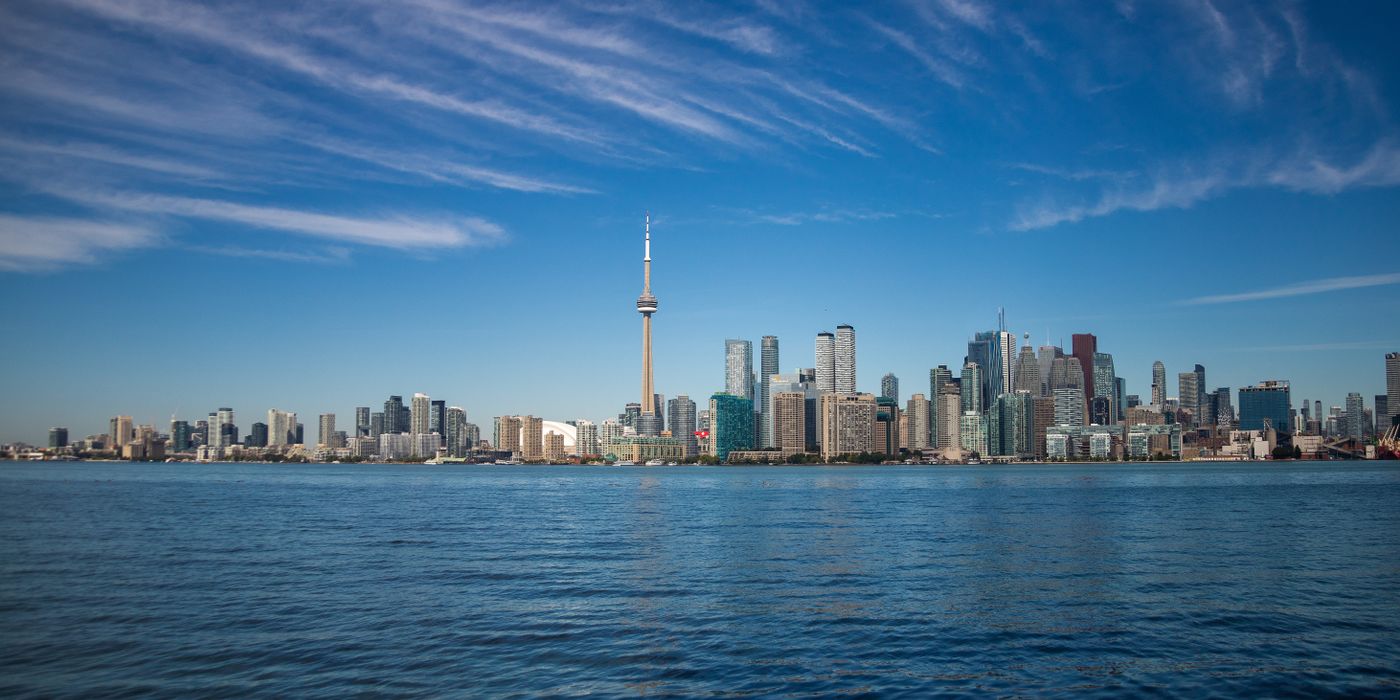
Toronto keeps showing up on trending lists this year, with visits from the US up roughly 24% year over year. It deserves the attention. This is a city of 140 languages and neighborhoods that change character block by block, and it does food better than almost anywhere in North America at two-thirds the price of New York. Here's how to spend 72 hours in Toronto without wasting any of them.
One planning note first. The US dollar goes far in Canada right now, which effectively discounts everything below by 25% or so. A $300 CAD hotel room is around $220 USD.
Day one. Old Toronto, St. Lawrence, and the Distillery
Start at St. Lawrence Market, the 200-year-old food hall that anchors the old city. Get a peameal bacon sandwich at Carousel Bakery. It's the city's signature sandwich and costs about $9 CAD. Walk it off through the Victorian ironwork of the market's south building, then head east into the Distillery District, a pedestrian-only cluster of 1830s whisky warehouses now filled with galleries, chocolate makers, and patios.
In the afternoon, walk the waterfront west to the ferry terminal and take the boat to the Toronto Islands. The 15-minute ride gives you the skyline photo you came for, and Ward's Island has a quiet beach and leafy lanes with no cars. Ferries run every 30 minutes and cost about $9 CAD round trip.
For dinner, book Richmond Station near Queen and Yonge, a mid-priced room from a Top Chef Canada winner. Mains run $30 to $45 CAD.

Day two. Kensington, Chinatown, and West Queen West
Spend the morning in Kensington Market, the scruffy, beloved bohemian quarter. Vintage shops, Jamaican patty counters, and espresso bars share blocks with punk record stores. Come hungry. Seven Lives does a $8 CAD Baja fish taco that locals line up for, and Wanda's Pie in the Sky handles dessert.
Chinatown sits right beside it along Spadina Avenue. This is one of North America's largest, and the food skews regional and serious. Mother's Dumplings does handmade northern Chinese dumplings for around $12 CAD a plate.
In the afternoon, walk or take the 501 streetcar along Queen Street West past Trinity Bellwoods Park. The stretch from Bathurst to Gladstone is the city's design and gallery corridor. End at the Drake Hotel for a rooftop drink, then stay in the neighborhood for dinner. Alo, the tasting-menu room regularly ranked the best restaurant in Canada, needs booking weeks ahead. Its casual sibling Alobar takes walk-ins at the bar.
Day three. Museums, the Annex, and a game or a show
Morning at the Royal Ontario Museum or the Art Gallery of Ontario. Both are world class. The AGO's Frank Gehry staircase and its Group of Seven collection edge it ahead for a first visit, and general admission is $30 CAD, free on Wednesday nights.
Walk north through the University of Toronto campus into the Annex, all Victorian houses and used bookstores. Lunch at Fat Pasha for Middle Eastern platters, or grab a slice culture crawl along Bloor.
For the evening, check what's on. The Blue Jays play downtown at Rogers Centre through September, Raptors and Leafs start in October, and Mirvish theaters run Broadway-scale productions year round. Failing all that, ride up the CN Tower at sunset. Timed tickets are about $45 CAD and the view at dusk is worth the tourist tax.

Where to stay in Toronto
For a first visit, stay between the Entertainment District and Queen West. You can walk to most of the itinerary above. The Drake Hotel runs $250 to $350 CAD a night in summer and fall. Downtown chains like the Chelsea or Delta properties run $220 to $320 CAD. Boutique rooms at the Broadview in the east end go for $200 to $280 CAD and throw in one of the best rooftop views in the city.
September and October are ideal months. Summer crowds thin, the weather holds, and weekend rates drop 15% to 20% from July peaks. Sunday and Monday nights are reliably the cheapest, a pattern we broke down in our guide to the cheapest hotel night of the week. Timing the booking matters too, and our 2026 booking-window data applies to Toronto as well as anywhere. Book through Best and a three-night $250 USD stay returns $75 in cashback, which is dinner in Kensington with change.
Getting around without a car
Toronto's transit system covers this whole itinerary. A PRESTO card or tap-to-pay credit card works on subways, streetcars, and buses, and every ride costs $3.30 CAD with free two-hour transfers. The 501 Queen and 504 King streetcars are sightseeing routes disguised as commuter lines, rolling past most of the neighborhoods above for the price of a coffee.
From the airport, the UP Express train reaches Union Station downtown in 25 minutes for $12.35 CAD, faster and cheaper than a $60 CAD cab in traffic. Bike Share Toronto has 9,000 bikes and day passes for $15 CAD, and the Martin Goodman Trail along the waterfront is flat, separated from traffic, and connects the ferry docks to the western beaches.
Rainy day swaps and budget moves
Toronto weather can turn, so keep a bench of indoor options. The PATH, a 30-kilometer underground network beneath the financial district, connects Union Station to the Eaton Centre without surfacing. Casa Loma, an actual Edwardian castle with secret passages, absorbs a wet morning for $40 CAD. The Hockey Hall of Fame runs $25 CAD and is more fun than skeptics expect, even for non-fans.
On the budget side, the city's best experiences skew cheap or free. High Park is free and its cherry trees draw the whole city in late April. Graffiti Alley behind Queen West costs nothing. Kensington's Pedestrian Sundays close the streets to cars monthly through October. The islands ferry remains the best $9 CAD in Canadian tourism, and eating your way through Chinatown and Kensington rarely tops $25 CAD a meal.
One splurge worth planning is dinner at Canoe on the 54th floor of the TD Bank Tower. The tasting of Canadian ingredients runs about $150 CAD, and the view down University Avenue at dusk beats the CN Tower's restaurant at a lower price with better food.
Questions travelers keep asking
How many days do you need in Toronto?
Three full days covers the core neighborhoods, one museum, the islands, and a show or game without rushing. Add a fourth day for Niagara Falls, 90 minutes away.
Is Toronto expensive to visit?
Mid-range hotels run $220 to $320 CAD, which is $160 to $235 USD. Food and transit cost less than comparable US cities, and the exchange rate works in American travelers' favor.
What's the best month to visit Toronto?
September. Warm days, cooler nights, thinner crowds, and hotel rates 15% to 20% below summer peaks. June is the best early-summer pick.
Do you need a car in Toronto?
No. Streetcars, the subway, and walking cover everything in this itinerary. Parking downtown runs $30 to $50 CAD a day, so skip the rental unless you're leaving the city.
Images. Hero by Isnar Silva via Pexels. Downtown intersection by WeStarMoney Rec via Pexels. Night skyline by Wladyslaw Sojka via Wikimedia Commons, CC BY-SA 3.0. Used under license.



