Hotel Robots Are Finally Doing Real Work. Here Is What Changed
Delivery robots, overnight vacuums, and patrol units crossed from gimmick to infrastructure in 2026. What they do, what flopped, and what it means for your rate.
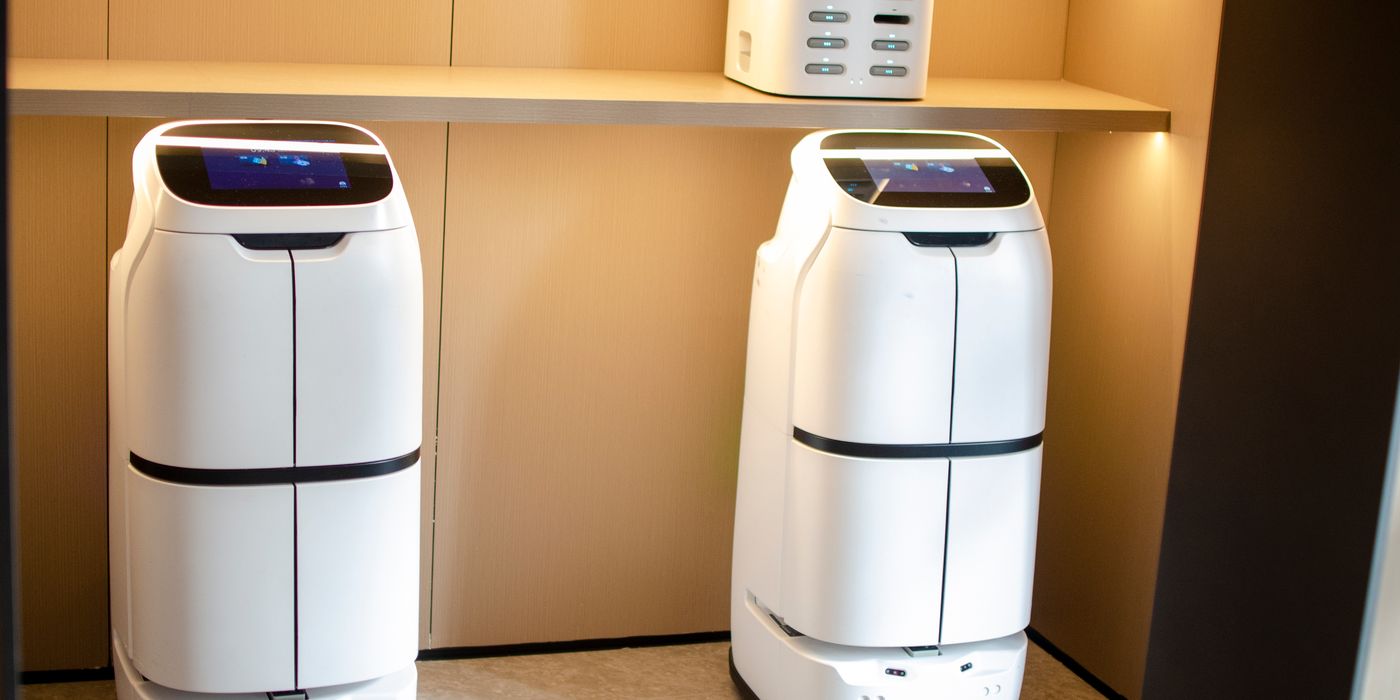
The robot that brings your toothbrush to the door at 11pm is no longer a gimmick. Hotel robots crossed a quiet threshold in 2026. They stopped being lobby decorations and started doing actual work, from room deliveries to hallway vacuuming to security patrols. Thousands of hotels now run at least one, and the economics behind them explain a few things about your stay, including some things hotels would rather not spell out.
We watch hotel operations closely at Best because operating costs flow straight into room rates. Here's what the machines actually do, what flopped, and what it means for what you pay.
What hotel robots actually do in 2026
The workhorse is the delivery robot. A guest calls the desk for towels, a phone charger, or a midnight snack, and a three-foot canister robot rides the elevator alone, calls your room from the hallway, and opens its lid when you tap the screen. Delivery robots now operate in thousands of US properties, mostly select-service hotels where overnight staffing is thinnest. They cost roughly $2,000 a month to lease, which is less than a third of an overnight runner's fully loaded cost.
Housekeeping is the second wave. Robot vacuums built for 200-room properties clean corridors overnight, and newer machines scrub lobby floors and even fold towels in back of house. None of them clean guest rooms. Making a bed remains beyond any commercially available machine, which is why housekeeping headcount hasn't actually fallen much where robots run.
The newest arrivals are security and concierge units. Patrol robots with cameras and sensors roam parking structures at resorts, and AI concierge stations handle the question cluster that used to eat front-desk hours. Where's breakfast, late checkout, is the pool heated. The industry shift this year is that AI moved from suggesting actions for staff to completing tasks on its own, and pricing and guest messaging were the first places it happened.

What flopped, and why it matters
The cautionary tale is Japan's Henn na Hotel, which opened in 2015 staffed almost entirely by robots, including a velociraptor at check-in. By 2019 it had fired half its robot workforce because the machines created more work than they saved. The in-room assistants woke guests up when they snored, and the luggage robots broke down in the rain. The lesson stuck across the industry. Robots that do one narrow physical task reliably earn their keep. Robots that try to replace hospitality don't.
That's why the 2026 deployment pattern looks the way it does. Machines took the repetitive, low-judgment jobs. Humans kept the desk, the restaurant, and everything involving an unhappy guest.

What this means for your room rate
Labor is 30% to 35% of a typical hotel's operating cost, and it's been the fastest-growing line since 2021. Robots are one of the few levers hotels have found that actually works, and properties running delivery and cleaning units report meaningful savings on overnight labor.
Don't expect that to show up as a cheaper room. Savings at the property level go to margin first, always. What robots do change is what you can get at 2am at a mid-priced hotel. Amenity delivery that once ended when the desk agent went solo for the night now runs around the clock. Select-service hotels are quietly offering full-service hours because the marginal delivery costs them nothing.
There's a second-order effect worth knowing. Hotels investing in robots are the same ones running AI-driven dynamic pricing, which reprices rooms by the hour rather than by the season. We explained how that works in our breakdown of hotel dynamic pricing, and it's the real reason the same room shows three prices in one afternoon. The machines in the basement and the algorithm setting your rate are parts of the same cost-control project. Our earlier look at how hotels use AI covers the software half of the story.
The economics, in actual numbers
The math that convinced hotel owners is simple enough to do on a napkin. A delivery robot leases for around $2,000 a month, or roughly $66 a night. An overnight employee covering the same runs costs $180 to $250 a night with wages, taxes, and benefits in most US markets, assuming the hotel can hire one at all. Hospitality has run persistent staffing shortages since 2021, with hundreds of thousands of unfilled roles across the industry, and the overnight shift is the hardest to fill anywhere.
The machine also never calls in sick, which matters more than it sounds. A single missed overnight shift at a select-service hotel means the desk agent abandons the desk for every delivery, and review scores track those nights with brutal accuracy. Operators consistently report the robots pay for themselves within the first year, and the second robot is an easier sale than the first.
Guests, for what it's worth, keep rating the robots well. Novelty is part of it, and kids reliably love them. But the deeper reason is speed. The robot leaves the moment the request lands, while a human runner leaves when the desk clears.
What's coming next
The near-term roadmap is less dramatic than the headlines suggest. Humanoid robots that make beds remain years away from commercial deployment, whatever the demo videos imply. What's actually arriving through 2027 is duller and more consequential. Elevator-integrated delivery fleets that serve 40-story towers, laundry automation that cuts one of housekeeping's biggest time sinks, and AI agents that handle booking changes end to end without a human touching the reservation.
The thing to watch is where the savings settle. Hotels that automate the back of house while keeping humans in guest-facing roles are betting that hospitality is the product and robots are plumbing. The handful still chasing fully automated stays are rerunning an experiment Japan already graded. Either way, the room rate you pay is set by demand, not by the hotel's cost base, which is why the discount you control still lives on the booking side.
How to use this as a guest
Robot-equipped hotels tend to be newer builds or recent renovations, and delivery service is free everywhere it exists. Use it. It doesn't expect a tip, which quietly removes one of the awkward costs of room service.
And since hotels aren't passing the labor savings to you, take the discount into your own hands. Booking through Best returns 10% cashback on the same room, robot or not. The hotel optimized its side of the ledger. That's yours.
Questions travelers keep asking
Do hotel robots replace staff?
Mostly no. They absorb overnight delivery runs and corridor cleaning, jobs hotels struggled to fill anyway. Guest room housekeeping and front desk roles remain human, and properties that tried full robot staffing walked it back.
Do you tip a hotel delivery robot?
No. The robot doesn't take tips and the hotel doesn't expect one, which makes robot delivery genuinely free in a way human room service never was.
Which hotels use delivery robots?
Mostly select-service and extended-stay properties in the US, plus tech-forward resorts. Thousands of hotels run them in 2026, and the lobby robot dock is usually visible near the elevators if you want to check before booking.
Will robots make hotels cheaper?
Not directly. Labor savings go to hotel margins. The guest-visible benefits are faster late-night service and longer amenity hours, so the savings you control still come from booking timing and cashback.
Images. Hero by silas tarus via Pexels. Corridor delivery robot by Youn Seung Jin via Pexels. Restaurant robot in Chiba by Syced via Wikimedia Commons, CC0. Used under license.