How Hotels Are Using AI in 2026, and What It Means for Your Next Stay
AI now sets hotel prices dozens of times a day, matches rates automatically, and checks you in. What travelers should know in 2026.
On July 6, Radisson Hotel Group launched something the industry has talked about for years but never shipped. AI that watches third-party booking sites in real time and automatically matches any lower rate on Radisson's own website, no claim form, no waiting for a human to verify a screenshot. The old best-rate guarantee required you to do the work. The new one does it before you even notice the gap.
That launch is a good excuse to look at what AI is actually doing inside hotels in 2026, because it has moved well past the chatbot in the corner of the booking page. Some of it works in your favor. Some of it works against you. Knowing which is which changes how you book.
The price you see was set by a machine seconds ago
Revenue management software has run hotel pricing for decades, but the 2026 versions operate at a different speed. AI systems now monitor competitor rates, flight bookings into the city, event calendars, weather, and search volume, then reprice rooms dozens of times a day without a human touching anything. Fortune reported this spring on how deeply this has spread through the industry, from global chains down to 80-room independents using off-the-shelf tools.
For travelers this cuts both ways. Prices respond to demand faster than ever, so the quiet Tuesday discount appears automatically. But the system also catches demand spikes instantly, so waiting to book during a conference week costs more than it used to. We covered the mechanics in our guide to how hotel dynamic pricing works in 2026, and the patterns there matter more now, not less.
Check-in is quietly disappearing
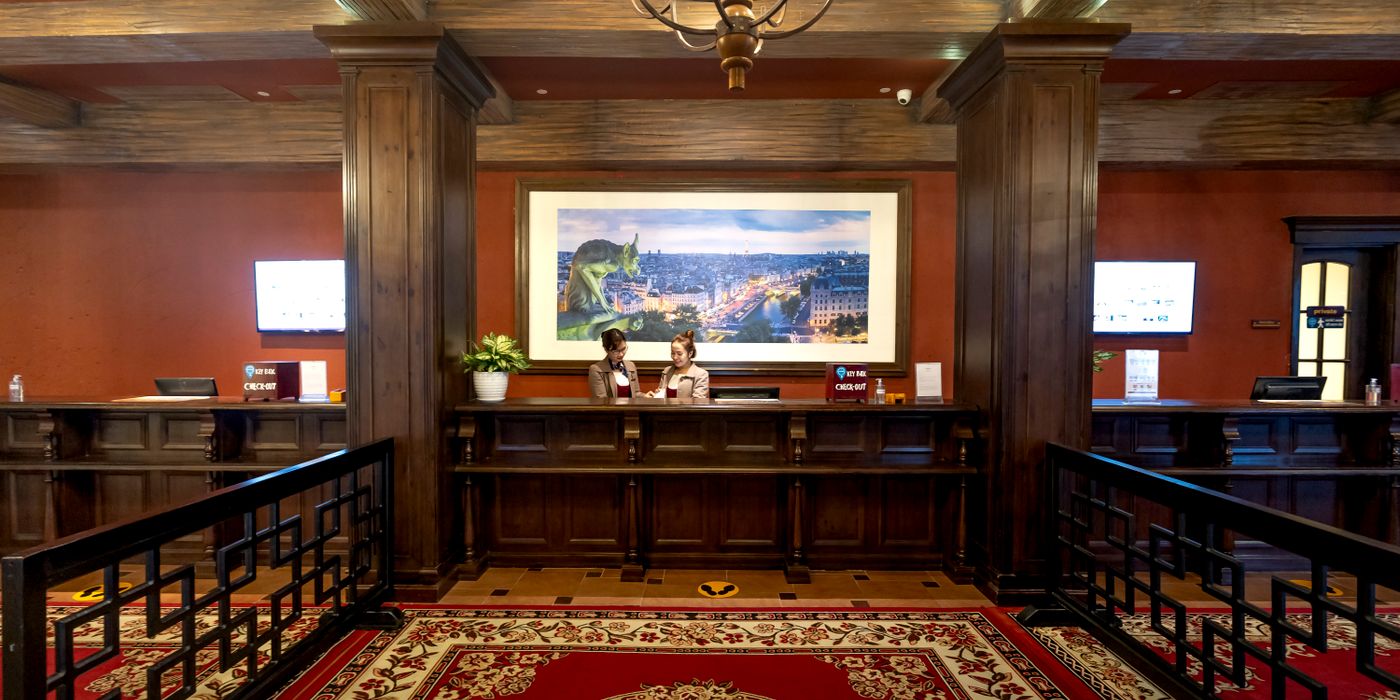
The front desk queue is becoming optional. By 2026, guests across the US, UK, Europe, and Australia increasingly expect to complete arrival on their phone. Verify identity, pick a room, pay, and receive a digital key over Bluetooth or NFC. Marriott, Hilton, and Hyatt have offered versions of this for years, but the AI layer is new. The systems now handle the exceptions that used to force you to the desk, like ID mismatches, room change requests, and split payments.
The practical benefit shows up at 11 pm after a delayed flight, when the difference between a queue and a tap matters. The quiet cost is that the desk agent who might have upgraded you is no longer part of the flow. If you want the human treatment, you can still walk to the desk. Increasingly, nobody makes you.

The concierge answers in four seconds now
Guest-facing AI has evolved from a chat widget that mostly said "please call the front desk" into something that performs actual front-desk work. It answers questions, books tables, arranges late checkout, and carries your preferences from your last stay to whoever serves you next. Hotels using AI assistants report guest satisfaction gains of up to 25 percent, mostly because the 2 am question gets answered at 2 am.
Hotels also like what it does to their books. Properties running AI booking assistants report 20 to 35 percent higher conversion on direct inquiries than static forms. The assistant answers "is the pool heated" instantly, and the booking that used to stall on an unanswered email goes through.

Personalization is the part worth watching
The same systems that remember your pillow preference also remember what you paid last time without blinking. AI personalization in 2026 means the hotel knows you booked the suite upgrade twice, arrived late three times, and used the spa once. Some of that produces genuinely better service. Some of it produces offers calibrated to exactly what the model thinks you'll tolerate paying.
There's no opting out of being data, but there is an even side of the trade. The AI that predicts you might leave a booking unfinished is the same one that generates the 15 percent recovery discount in your inbox an hour later. Abandoned-cart economics arrived in hotels, and travelers who understand them do slightly better than travelers who don't.
What the machines still can't do
It's worth being clear about the limits, because hotel marketing is not. AI does not clean rooms, carry bags, or fix the shower at midnight. The industry's labor shortage did not end because the booking engine got smarter, and properties that cut front-desk staff on the theory that the app would absorb the work have learned that guests notice within one bad arrival.
The systems also fail in predictable ways. Automated pricing occasionally publishes absurd rates in both directions, and the fine print lets hotels cancel the $40 penthouse mistake. Chat assistants still hallucinate answers about parking and pet policies confidently enough that we'd confirm anything expensive with a human before relying on it. And no model yet reads the situation where a tired family needs the room that's technically not ready, and makes it ready.
None of this is a reason to avoid AI-heavy hotels. It's a reason to treat the technology as plumbing rather than promise. The properties getting it right use the machines for speed and the people for judgment, and you can usually tell which kind you've booked within five minutes of arriving.
What this means for how you book in 2026
Three takeaways survive all the vendor noise.
First, prices move constantly, so anchor on patterns instead of trying to outguess the machine on a given afternoon. Midweek bookings, shoulder season, and the two-to-four-week window still work, as we showed in our data piece on booking timing.
Second, treat rate guarantees as background insurance, not a strategy. Radisson-style auto-matching will spread across the industry because it removes the claims process that made guarantees mostly theoretical. Good news, but it only levels prices between channels. It doesn't lower them.
Third, take returns you can count on. A price that changes 30 times a day is hard to beat, but 10 percent cashback on whatever you pay is arithmetic no algorithm can take away. That's the logic Best is built on, and it's why cashback stacks so well with every other tactic in this post. The machine sets the price. You decide how much of it you get back.
FAQ
How do hotels use AI in 2026?
Hotels use AI mainly for dynamic pricing, automated rate matching, digital check-in, guest messaging, and personalization. Pricing systems reprice rooms dozens of times a day, and guest-facing assistants now handle most routine front-desk requests.
Does AI make hotel rooms more expensive?
It makes prices more responsive in both directions. AI pricing raises rates faster during demand spikes and drops them faster during quiet periods. Travelers with flexible dates benefit. Travelers booking peak dates late pay more than they used to.
What is AI rate matching?
AI rate matching, launched at scale by Radisson in July 2026, automatically detects lower public rates on third-party sites and matches them on the hotel's own site in real time, replacing manual best-rate-guarantee claims.
Can I still check in with a human?
Yes. Digital check-in is an option, not a requirement, at nearly all hotels that offer it. The front desk remains staffed, and stopping by is still the best way to ask about upgrades and late checkout.
Images: Hero and front desk via Pexels, used under license. Hotel lobby by Basile Morin via Wikimedia Commons, CC BY-SA 4.0.