Aparthotel or Hotel? When the Kitchen Pays for Itself
Aparthotels cost 15 to 30 percent more per night than comparable hotel rooms. The kitchen only pays for itself under specific conditions, and party size matters more than trip length.
An aparthotel almost always costs more per night than a comparable hotel room. In most European cities the premium runs 15 to 30 percent. That is the number people see, and it is the number that stops the conversation.
It is also the wrong number. The kitchen is not a feature you pay for. It is a bet that you will use it, and the bet pays out on a schedule most travellers never calculate.
We ran the arithmetic across a few trip shapes. The break-even point is more specific than the internet suggests, and it depends far more on how many people are travelling than on how long you are staying.
What an aparthotel actually is
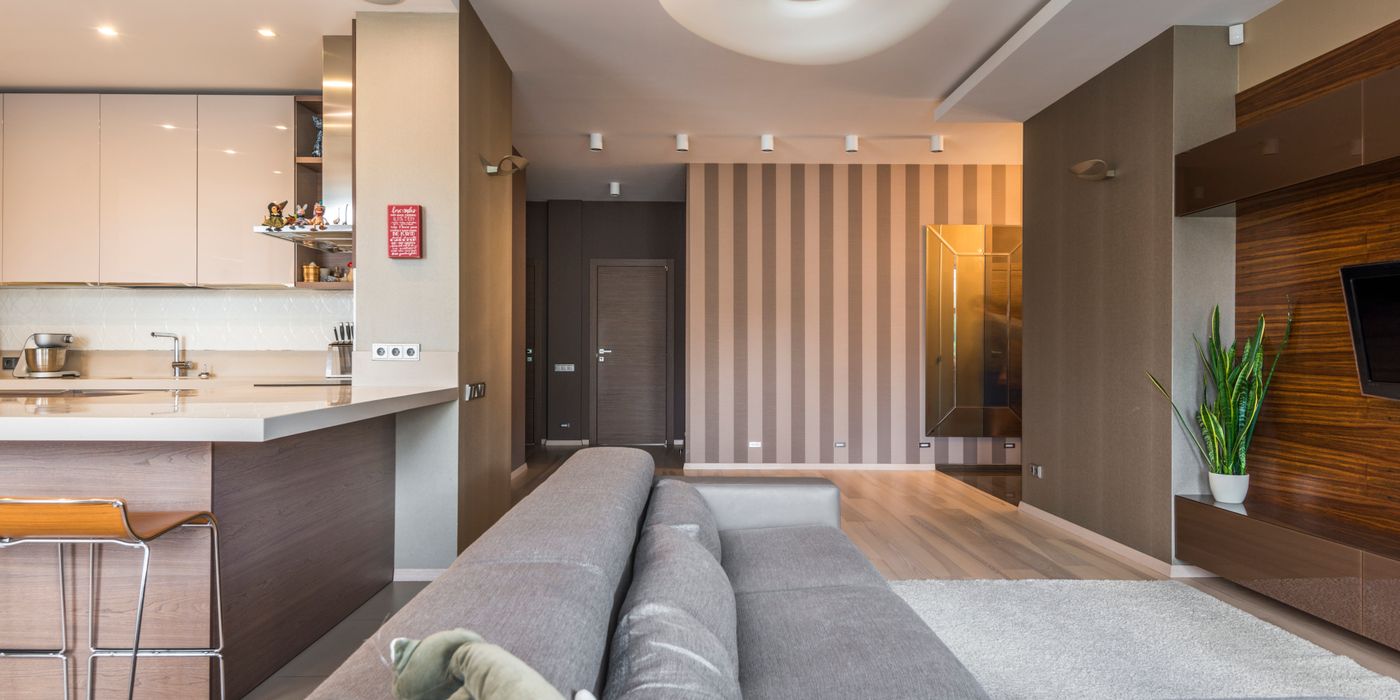
An aparthotel is a serviced apartment operated like a hotel. You get a front desk, a booking process that behaves like any hotel booking, and a room with a kitchen, a separate living area, and usually a washing machine. Housekeeping runs weekly rather than daily in most properties.
The category covers a wide range. At the budget end sit extended-stay chains built for contractors and relocating employees, where budget properties run roughly 800 to 1,500 dollars a month and midscale properties land between 1,200 and 2,500. At the upper end sit city-centre serviced apartments that price like four-star hotels and look like design magazines.
The confusing part is that both are called the same thing.

The break-even math
Start with the premium. If a mid-range hotel room in a European capital costs 140 euros a night, a comparable aparthotel runs about 170 to 180. Call the premium 35 euros per night.
Now the offsets, all of which are real and all of which are conditional.
Breakfast. Hotel breakfast in a European city runs 15 to 25 euros per person. Cafe breakfast runs 8 to 14. Breakfast made in a kitchen runs about 3. For two people that is 24 to 44 euros saved per day if you eat in the room, which most people do because breakfast is the meal nobody wants to get dressed for.
Dinner. A restaurant dinner for two with a drink each runs 60 to 90 euros in most Western European cities. Cooking the same meal costs 15 to 20. But this offset only counts on the nights you actually cook, and on a five night holiday most people cook once, maybe twice.
Laundry. Hotel laundry runs 5 to 8 euros per item. A washing machine in the unit means a two week trip fits into a carry-on, which also removes a checked bag fee in each direction.
The fridge. Underrated. Water, wine, leftovers, cheese from the market you walked past. It is 10 to 15 euros a day of small friction removed.
Put it together for two people on a five night trip. The aparthotel costs 175 euros more across the stay. Breakfast in the room five times saves about 120. Cooking twice saves about 90. That is 210 against 175. It works, but barely, and only if you actually eat in.

Where the math changes sharply
Party size is the biggest lever. Every offset scales with headcount. The premium mostly does not. Four people in a two-bedroom aparthotel is comparing against two hotel rooms, which typically costs more than the apartment, before any food savings. For families the aparthotel usually wins on the nightly rate alone, which surprises people.
Length of stay is the second lever, but not the way you think. Extended-stay properties discount steeply once you cross thresholds. Weekly bookings usually run 10 to 15 percent below seven separate nights. Stays of 28 nights or more attract 20 to 40 percent off the nightly rate, with some properties going as far as 50 percent in low season. Those thresholds are cliffs, not slopes. A 26 night stay can genuinely cost more than a 28 night stay.
Destination food prices are the third. In Copenhagen or Zurich, cooking one dinner saves 70 euros and the kitchen pays for the whole trip. In Lisbon or Krakow, where a good dinner for two runs 35 euros, the kitchen is a convenience rather than a saving. The cheaper the destination, the weaker the argument for the apartment.
Trip purpose is the fourth. On a three night city break with a packed itinerary, the kitchen goes unused and the premium is dead money. On a two week base-and-explore trip, it is the difference between eating out fourteen times and eating out six.
The simple rule that works
Choose the aparthotel if any two of these are true.
- Three or more people are travelling
- The stay is six nights or longer
- The destination has expensive restaurants
- Somebody in the group has dietary requirements that make eating out tedious
- You are working during the trip and want a table that is not the bed
Choose the hotel if the stay is under four nights, the group is two people, and the point of the trip is to be out of the room. On a short break, daily housekeeping and a lobby you can leave your bags in are worth more than a hob you will never turn on.
What the listings do not tell you
Three things to check before booking an aparthotel, because they vary wildly and the booking page rarely spells them out.
Housekeeping frequency. Weekly is standard. Some properties do a mid-stay refresh only on stays over seven nights, which means a six night stay gets no housekeeping at all. Fine if you know. Annoying if you do not.
The kitchen inventory. A kitchenette with a microwave, a kettle and two mugs is not a kitchen. Look for the words hob or oven, and look at whether the photos show pans. A property that shows you the pans has pans.
Cleaning and linen fees. Some aparthotels apply a one-off cleaning charge on top of the nightly rate, which behaves like a resort fee and can wipe out the saving on short stays. It usually appears at the final step of checkout rather than in the rate you compared.

How this looks on Best
Cashback works on aparthotels the same way it works on hotel rooms, which is worth knowing because the premium is exactly the thing cashback erodes. A 175 euro aparthotel booked through Best returns 17.50 per night. Across a seven night stay that is 122.50 back, which is most of the premium over the hotel room you were comparing it against.
That is the honest version of the pitch. Cashback does not change which option is better for your trip. It narrows the gap enough that the more comfortable option stops being the more expensive one.
Common questions about aparthotels
Are aparthotels cheaper than hotels?
Not per night. They typically cost 15 to 30 percent more for a comparable standard. They become cheaper in total trip cost for groups of three or more, for stays over six nights, and in cities with expensive restaurants.
Do aparthotels have daily housekeeping?
Rarely. Weekly housekeeping is the norm, and some properties only service stays longer than seven nights. Check the specific policy, since it is the most common source of complaints in the category.
What is the difference between an aparthotel and a serviced apartment?
Very little in practice. Aparthotel usually implies a front desk and hotel-style booking. Serviced apartment sometimes implies self check-in and a longer minimum stay. The room is often identical.
How long do you have to stay to get a monthly discount?
Twenty-eight nights is the usual threshold for the 20 to 40 percent monthly rate. Seven nights is the usual threshold for a smaller 10 to 15 percent weekly discount. Both are cliffs, so extending a 26 night stay by two nights can lower the total bill.
Are aparthotels good for business travel?
For trips over a week, yes. A desk, a kitchen and a washing machine solve the three things that make long work trips unpleasant. For a two night trip, a hotel is better in every way that matters.
Images: Hero of a serviced apartment interior via Pexels. Apartment living space via Pixabay. Hotel room via Pexels. Packed luggage via Pixabay.