How to Avoid Dynamic Currency Conversion on Hotel Bookings in 2026
That friendly option to pay in dollars abroad quietly skims 3 to 7 percent off your bill. Here's how dynamic currency conversion works and how to shut it off.

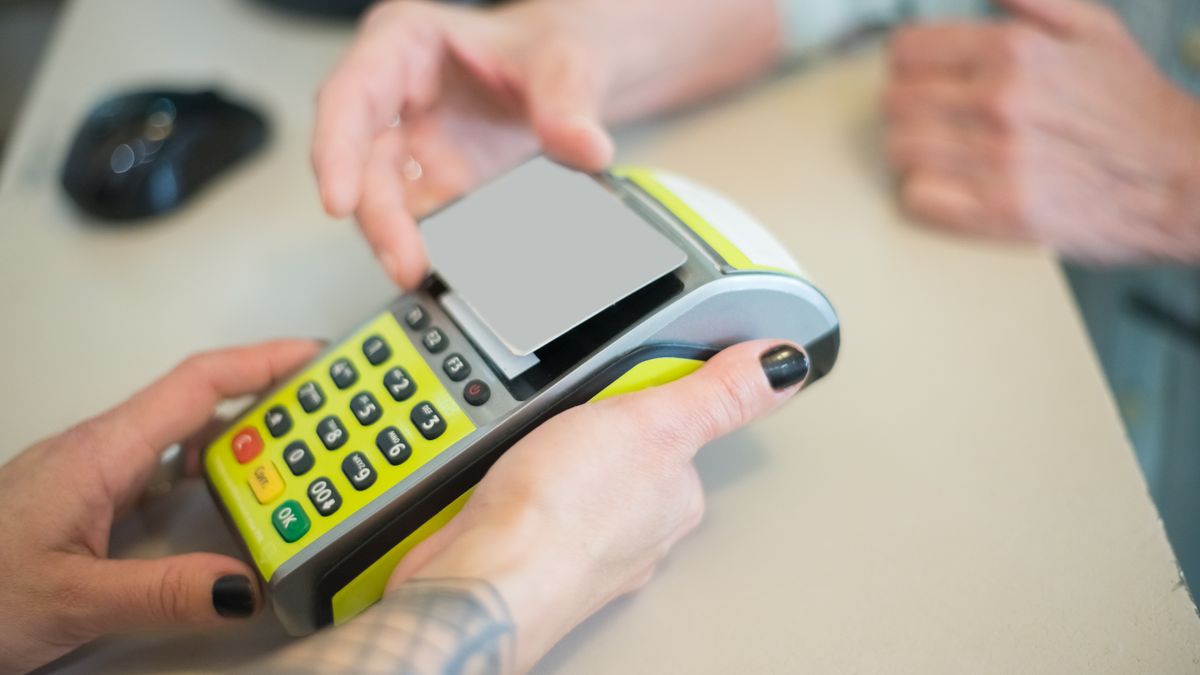
You're checking out of a hotel in Rome. The terminal turns toward you with two buttons. Pay 240 euros, or pay 268 dollars. The dollar option looks friendlier because you can read it. Press it and you just handed the payment company an extra 15 dollars for nothing.
That trick has a name. It's called dynamic currency conversion, and it quietly skims money off travelers every single day. Here's how it works and how to shut it off.
What dynamic currency conversion actually is
Dynamic currency conversion, or DCC, is the option to pay in your home currency when you're buying something priced in a foreign one. The hotel terminal, the ATM, or the booking website offers to convert the price to dollars right there so you know exactly what you're paying.
Sounds helpful. It isn't. When you accept, the merchant's payment processor sets the exchange rate, not your bank. And they set it in their favor, then add a markup on top. That markup usually runs 3 to 7 percent, and sometimes higher. You're paying for the convenience of seeing a dollar figure, and it's an expensive convenience.
Decline it, and your own card network handles the conversion instead. Visa and Mastercard use near-wholesale exchange rates that are far better than anything a hotel terminal will offer. The difference goes straight back into your pocket.
The one rule that saves you money
Here it is, the whole trick in a sentence. Always choose to pay in the local currency. Euros in Europe. Yen in Japan. Pounds in Britain. Never dollars.
When the machine or the website asks whether you want to be charged in dollars or the local currency, the local currency is almost always the cheaper answer. It feels backwards because the dollar amount is the one you understand. But the dollar option is the one carrying the hidden fee.
This applies in more places than people realize. Hotel checkout terminals. Foreign ATMs, which love to push DCC hard. Restaurant card machines. And critically, hotel booking websites, where the default currency setting can quietly trigger the same markup before you've even left home.
Where hotels sneak it in online
The airport and the front desk are the obvious spots. The sneakier one is the booking screen. Many hotel sites and travel platforms detect that you're in the US and helpfully show every price in dollars, then charge your card in dollars using their own conversion rate.
On a single night that might cost you a few bucks. On a week-long stay at a pricey hotel, that quiet conversion can add up to real money, and you never saw a terminal to decline anything.
The fix is to find the currency selector on the site, usually tucked in a corner or in your account settings, and set it to the hotel's local currency before you pay. Then let your no-fee card do the conversion. It's the same logic as the terminal, just moved to your laptop.
Pair it with the right card
Declining DCC solves half the problem. The other half is your card's own foreign transaction fee, which many cards charge at around 3 percent on top of any purchase abroad. Choosing local currency avoids the DCC markup, but if your card adds a foreign transaction fee, you're still losing a slice.
The clean setup is a card with no foreign transaction fees, used to pay in local currency everywhere. That combination gives you the wholesale exchange rate with nothing skimmed on top. A lot of travel cards waive these fees now, so it's worth checking yours before a trip rather than after.
We compared how different payment routes stack up in our piece on hotel cashback versus credit card travel portals, which is worth a read if you're trying to squeeze the most out of every booking.

A quick checklist before you pay
Run through this and you'll almost never overpay on conversion again.
- At any terminal abroad, if it asks dollars or local, choose local
- At foreign ATMs, decline the offered conversion and let your bank convert
- On hotel booking sites, set the currency to the hotel's local currency before checkout
- Carry a card with no foreign transaction fee and use it for everything
- Check your receipt. If it shows a dollar total for a foreign purchase, DCC probably slipped through
None of these take more than a few seconds. Together they can save a few percent on everything you spend overseas, which on a full trip is often more than you'd save hunting for a cheaper room.
Why this matters more in 2026
With more Americans traveling to Europe this year and the dollar's buying power shifting week to week, the gap between a good exchange rate and a padded one is wider than usual. DCC markups don't shrink when rates move. They ride on top of whatever the rate is. So the discipline of always choosing local currency pays off more the more you travel.
It's the same mindset behind avoiding junk fees at checkout, like the ones we covered in how to get resort fees waived. Small, avoidable charges add up fast, and the travelers who pay the least are simply the ones who notice them. If you want the full playbook on layering savings, our guide on stacking hotel savings ties it together.
Common questions about dynamic currency conversion
Should I pay in local currency or my home currency abroad? Always choose the local currency. When you pay in your home currency, the merchant's processor sets the exchange rate and adds a markup of roughly 3 to 7 percent. Paying in local currency lets your card network convert at a much better rate.
What is dynamic currency conversion? DCC is the option to be charged in your home currency for a purchase priced in a foreign one. It shows you a familiar dollar amount but converts at a marked-up rate that costs you more than letting your own bank handle it.
Does declining DCC avoid all fees? It avoids the DCC markup, but not your card's foreign transaction fee if it has one. For zero skimming, pay in local currency with a card that charges no foreign transaction fees.
Do hotel booking sites use DCC too? Yes. Many detect your country and default to charging in your home currency using their own conversion rate. Switch the site's currency setting to the hotel's local currency before you pay to avoid it.
Images: Hero (card payment terminal) by Towfiqu barbhuiya and online booking by Tima Miroshnichenko, via Pexels. Hotel room by Derek Jensen via Wikimedia Commons, used under Creative Commons license.