5 Days in the Basque Country. San Sebastián, Bilbao, and Spain's Best-Value Summer Coast
A five-day Basque Country itinerary with real 2026 costs. Pintxos in San Sebastián, the Guggenheim in Bilbao, and a cooler coast that still prices fairly.

Hotel prices in southern Spain climbed 7.5 percent this year. The Basque Country never got that memo. Up on the green northern coast, San Sebastián and Bilbao still serve some of the best food in Europe at prices that have barely moved, and the Atlantic keeps July afternoons closer to 24 degrees than the 40 baking Seville.
We spent five days working the two cities and the coast between them. Here is how to do the same trip without overpaying, with the real numbers attached.
Why the Basque Country wins in 2026
Two things make this corner of Spain the value play this summer. The first is weather. While the Mediterranean coast pushes past 35 degrees by midday, San Sebastián sits in the low to mid 20s through July and August. Cooler days, sleepable nights, no air conditioning arms race.
The second is food per euro. San Sebastián has one of the highest concentrations of Michelin-starred restaurants per resident of any city on earth, but you do not need any of them to eat brilliantly. A pintxo runs 3 to 4 euros. A full evening of grazing across four bars comes to 20 to 30 euros a person. Compare that to what the same meal costs in Barcelona or San Sebastián's reputation would suggest.
If you have been priced out of the south, the north is the answer. We wrote more about that shift in our look at Spain's 2026 hotel price jump and the wider cheaper Europe summer.
Days 1 and 2: San Sebastián
Base yourself in the Centro or Gros neighborhoods. Mid-range hotels run 90 to 140 euros a night in shoulder season and a little more in peak July and August. Gros sits across the river from the old town, costs slightly less, and puts you a two-minute walk from Zurriola beach where the surfers go.
Start at La Concha. The crescent bay is regularly ranked among the best city beaches in Europe and the walk along its iron railing to the foot of Monte Igueldo is the best free hour in the city. Take the 1912 funicular up Igueldo for the postcard view back over the bay. It costs about 4 euros return.
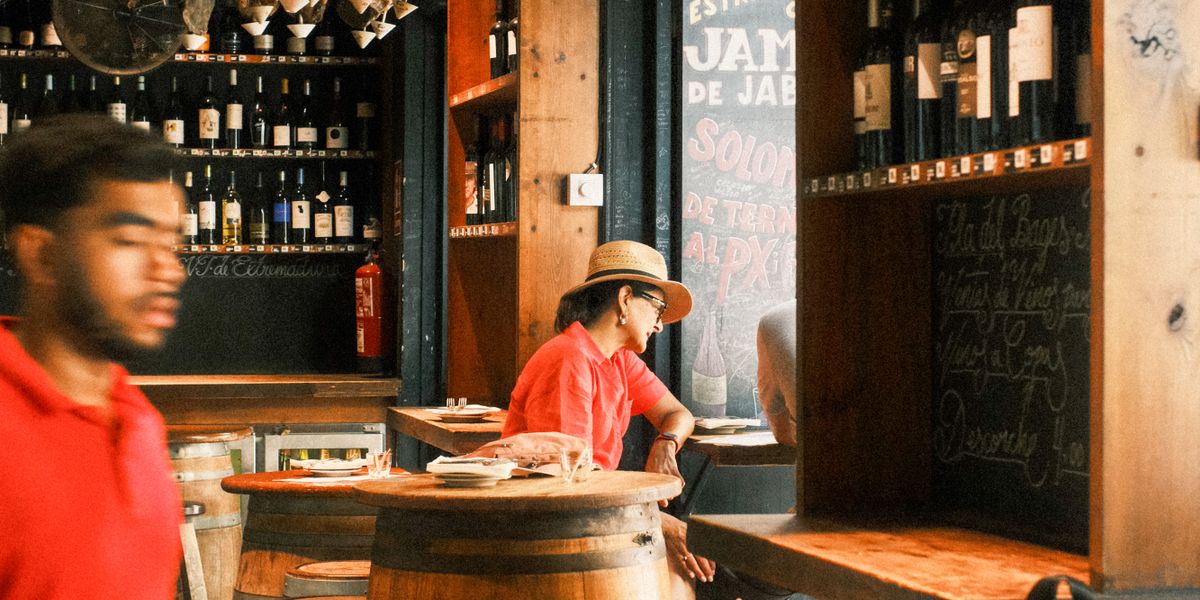
Then do the thing you came for. The Parte Vieja, the old town, holds the densest run of pintxos bars anywhere. Order a gilda, the anchovy, olive and guindilla pepper skewer the whole genre is named after. Move on after two bites and two bars. Do not sit down and order a full plate. The move is to keep walking, one or two pintxos and a small glass of txakoli wine per stop.
Day two, slow down. Swim at La Concha in the morning, walk Monte Urgull for the harbour view, and spend the evening back in the old town hitting the bars you missed.

Day 3: the coast between the cities
Rent a car for one day and drive the coast road west. The standout stop is San Juan de Gaztelugatxe, a tiny hermitage on a rock connected to the mainland by a stone causeway and 241 steps. Game of Thrones fans will recognise it as Dragonstone. Entry is free but you need a timed ticket booked ahead in summer, and parking sits about a 25-minute walk from the steps.
On the way, stop in Getaria, a fishing village that grills whole turbot over outdoor coals and makes the txakoli you have been drinking. Lunch of grilled fish, salad and a bottle of local white for two comes to about 60 euros. It is the best meal-to-price ratio of the trip.
Days 4 and 5: Bilbao
Bilbao is an hour west and a different mood. The 1997 Guggenheim turned a faded industrial port into a design city, and Frank Gehry's titanium building is still worth the 18 euro entry a quarter century on. Outside it, Jeff Koons' 12-metre flower-covered dog, Puppy, guards the entrance for free.
Spend the rest of your time in the Casco Viejo, the old quarter built around seven medieval streets. Eat your way through the Ribera market, one of the largest covered markets in Europe, and try bacalao al pil pil, salt cod in a garlic emulsion that is the city's signature plate.
On your last morning, ride the Artxanda funicular up the hill behind the centre for a view over the whole river bend. It costs about 2.50 euros return. Hotels in Bilbao run a touch cheaper than San Sebastián, roughly 90 to 130 euros a night for a solid mid-range room.

What five days actually costs
Here is a mid-range budget per person, the kind of trip with a comfortable 3 or 4 star room, good meals out, and the main sights.
Hotels come to about 110 euros a night, so 440 euros for four nights if you are sharing a double, 220 each. Food runs 45 to 60 euros a day. Museums and funiculars across the trip total about 30 euros. One day of car rental with fuel is roughly 70 euros split two ways. Add it up and a five-day Basque trip lands around 600 to 750 euros per person before flights. That is real value for the food you eat and the coast you see.
One more lever on the hotel line. If you book your San Sebastián or Bilbao stay through Best, you get 10 percent cashback on the room. On that 440 euro four-night booking, 44 euros comes back to you. Roughly a full pintxos dinner for two, paid for by the booking you were making anyway.
Common questions
Is the Basque Country expensive to visit? Less than you would think. A mid-range traveller spends around 120 to 150 euros a day including a hotel, meals and sights. Food in particular is a bargain for the quality, with pintxos at 3 to 4 euros each.
When is the best time to go? June and September. You get warm Atlantic weather in the low to mid 20s, swimmable sea, and noticeably thinner crowds than the July and August peak. September also brings the San Sebastián Film Festival.
Do you need a car? Not for the cities. San Sebastián and Bilbao are walkable and connected by frequent buses and trains under 10 euros. Rent a car for one day only, to reach Gaztelugatxe and the coastal villages.
San Sebastián or Bilbao as a base? Split it. Two or three nights in San Sebastián for the beach and pintxos, two in Bilbao for the Guggenheim and the old town. They are an hour apart, so moving once is easy.
Images: La Concha beach by diego_cue. Gaztelugatxe by Grand Parc Bordeaux. Guggenheim Bilbao by Naotake Murayama. All via Wikimedia Commons, used under Creative Commons licenses. Pintxos image via Pexels.
Getting there and getting around
Both cities have airports. Bilbao has the wider international network, with direct flights from across Europe, while San Sebastián's small airport handles mostly domestic and short hops. Plenty of travellers fly into Bilbao and take the hourly bus to San Sebastián, which runs about an hour and 15 minutes and costs under 18 euros.
Once you arrive, skip the rental car except for the coast day. The cities are flat and walkable, local buses cost about 1.70 euros a ride, and the train between Bilbao and San Sebastián is cheap and frequent. Parking in either old town is a headache you do not need, so pick up the car the morning you drive the coast and drop it that same evening.