Extended-Stay Hotels Are the Fastest-Growing Corner of US Lodging. Here Is What It Means for Your Trip
Extended-stay hotels are now about 40% of the US construction pipeline. Here's why they're booming in 2026 and how the kitchen-and-suite model saves you money.
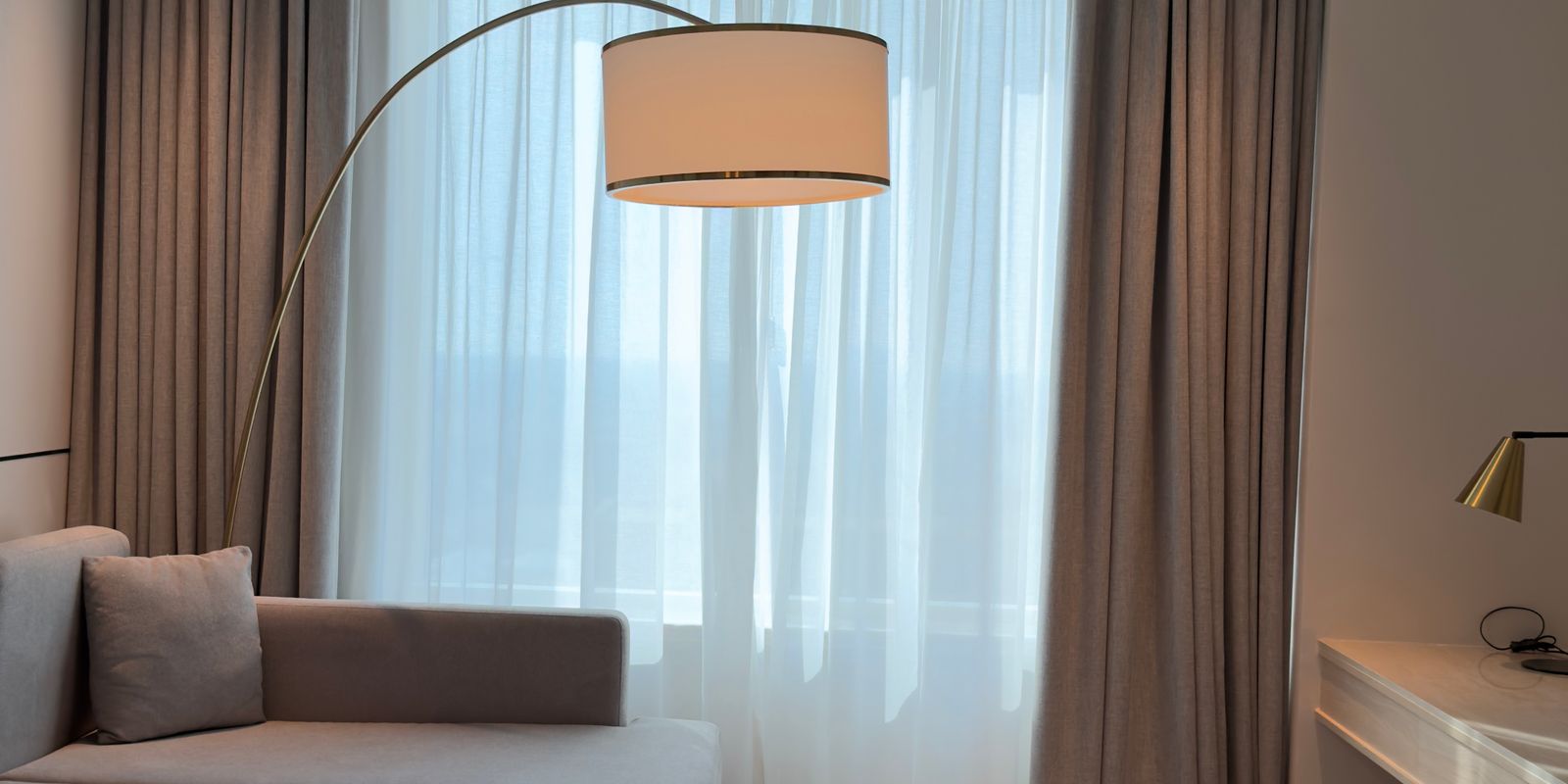
Two out of every five hotels under construction in the United States right now are extended-stay properties. Not full-service resorts, not downtown convention towers. Rooms with a kitchen, a sofa, and a washer down the hall, built for people who stay a week or a month instead of a night.
That is the quiet story in American lodging in 2026. The segment most travelers never think about has become the one developers are betting on hardest, and it changes the math on your next longer trip.
What extended-stay actually means
An extended-stay hotel is a property built around longer visits. The defining feature is a real kitchen in the room, not a mini fridge and a kettle but a stovetop, a full-size refrigerator, and enough counter to cook a meal. Rooms are larger, often a studio or one-bedroom layout with a separate living area, and most properties offer on-site laundry and discounted weekly rates.
The guests are a mix. People relocating for work and waiting on a lease. Consultants and project crews on multi-week assignments. Families displaced by a home repair or an insurance claim. And increasingly, leisure travelers stretching a trip out because remote work lets them.

The numbers behind the boom
Extended-stay projects make up about 40 percent of the entire US hotel construction pipeline as of late 2025, with roughly 2,470 projects and more than 250,000 rooms in development. No other category comes close.
The growth gap is the part that matters. US hotel supply overall is forecast to grow about 1.5 percent in 2026, with 754 new hotels opening. Extended-stay supply is forecast to grow 5.5 percent in the same year, with about 340 new properties and nearly 35,000 rooms. That is the segment expanding more than three times faster than lodging as a whole.
Mid-tier brands lead the charge, with more than 1,600 projects in the pipeline. These are the everyday names a traveler actually books, not luxury serviced apartments.
Why hotels keep building them
The appeal for owners is simple economics, and it tells you something about the product. A guest who stays 14 nights needs their room cleaned far less often than 14 separate one-night guests. That cuts the single largest variable cost a hotel carries, which is housekeeping labor. Front desk traffic is lighter too. Fewer check-ins, fewer keys, fewer questions.
Occupancy is also steadier. Extended-stay properties lean less on the weekend leisure spike and the weekday business rush, so they fill more evenly across the calendar. Steadier occupancy and lower running costs add up to more predictable profit, which is exactly what lenders want to see before they fund a build. We have written before about how hotel operators think about pricing and margin in our piece on why loyalty points keep losing value.

What it means for you, even on a short trip
Here is the useful part. You do not need to be relocating to benefit from an extended-stay room. The model quietly solves problems regular hotels create.
The kitchen is the headline. On a four-night family trip, cooking even two breakfasts and one dinner in the room can save 100 to 150 dollars over eating every meal out. The space is the second win. A studio suite with a sofa means kids or a third traveler are not all stacked on two queen beds. And the weekly rate is the sleeper. Many extended-stay hotels drop the nightly price sharply at five, seven, or thirty nights, so a six-night stay can cost less per night than a four-night one at the same property.
This ties into the larger shift toward more intentional travel in 2026, where people take fewer, longer trips and want the room to function more like a home base than a place to sleep.
How to book one well
Search the extended-stay brands directly when your trip runs three nights or longer, and always compare the weekly rate against the nightly rate even if you are staying fewer than seven nights. The break point is often lower than you expect. Check that the room has a full kitchen and not a partial kitchenette, since the listings sometimes blur the two. And confirm whether housekeeping is daily, weekly, or on request, because lighter cleaning is part of how these rooms stay cheap.
One more lever. If you book your extended-stay room through Best, you earn 10 percent cashback on the stay. On a 700 dollar week, that is 70 dollars back, which more or less covers the groceries you would buy to use that kitchen in the first place.
Extended-stay versus a vacation rental
The obvious comparison is a short-term rental, and the two overlap. Both give you a kitchen and more space than a standard hotel room. But the differences matter more on a longer trip than people expect.
An extended-stay hotel has a front desk, daily security, and a brand standard you can predict before you arrive. If the heating breaks at 11pm, someone is there to fix it or move you to another room. There is no host cancelling on you a week out, no cleaning fee bolted onto the total, and no guessing whether the photos match reality. The price you see is much closer to the price you pay, which has become a real edge as rental platforms keep piling on fees.
A rental still wins for very large groups or for a whole house with a yard. But for one to four travelers on a stay of a week or two, the extended-stay hotel increasingly offers the same kitchen and space with fewer surprises and a clearer bill. That reliability is a big part of why travelers have been drifting back toward hotels for longer trips, not just overnight ones.
There is a loyalty angle too. Nights at an extended-stay hotel under a major brand usually earn points and count toward elite status, while a rental earns you nothing toward a hotel program. On a two-week stay, that can be the difference between staying mid-tier and crossing a status threshold that unlocks free breakfast and upgrades for the rest of your travel year.
Common questions
Are extended-stay hotels cheaper than regular hotels? Often yes for stays of several nights, because of weekly rate discounts and the ability to cook instead of eating out. For a single night they are usually priced similarly to a mid-range hotel.
Can you book an extended-stay hotel for just one or two nights? Almost always, yes. The brands accept short stays. You simply get the most value when you stay long enough to trigger a weekly rate or to make use of the kitchen.
Do extended-stay rooms get daily housekeeping? Usually not by default. Most properties clean weekly or on request to keep costs down. You can ask for more frequent service, sometimes for a small fee.
Why are so many being built in 2026? They cost less to run, fill more evenly through the year, and deliver steadier profit, which makes them easier to finance. That is why they now account for roughly 40 percent of the US hotel construction pipeline.
Images: Suite interiors via Pexels. Kitchen via Pixabay. Used under their respective free licenses.