The Best Cities for Solo Female Travelers in 2026
Solo female travel searches hit a 15-year high in 2026. Here are the cities that actually deliver on safety, independence, and the freedom to move through a place on your own terms.
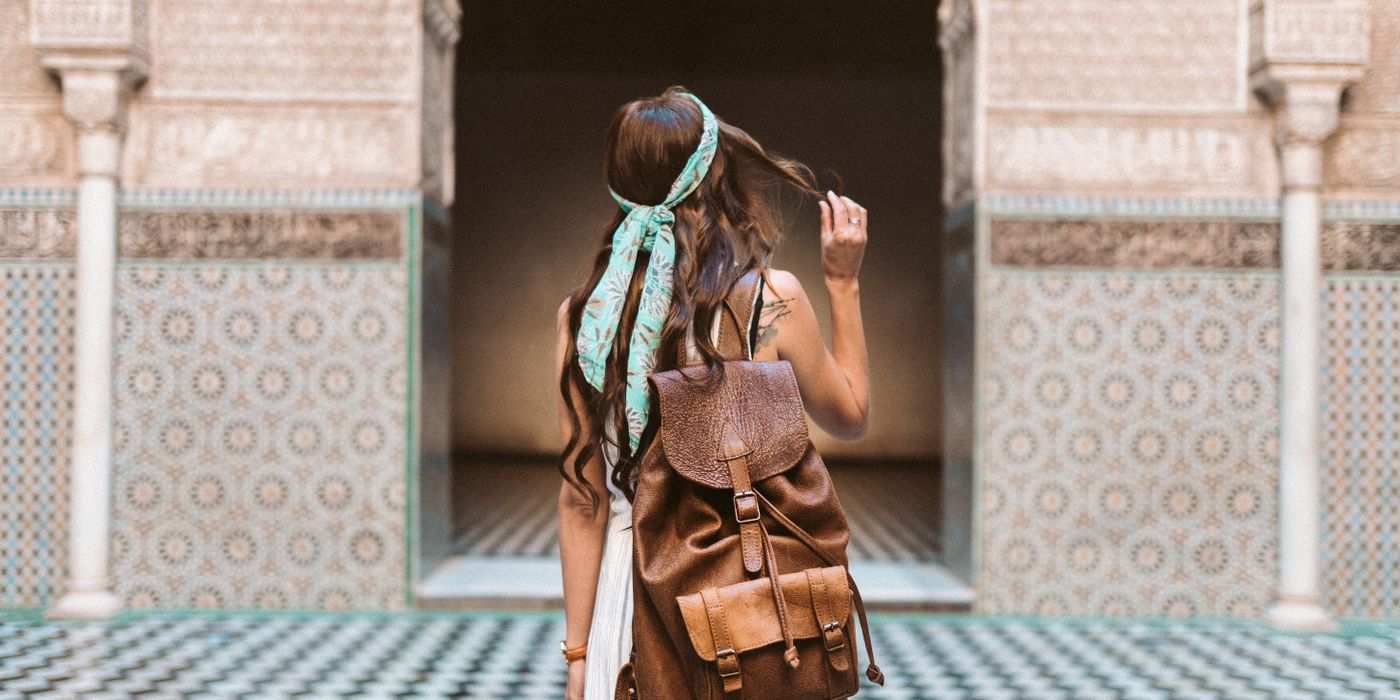
Searches for "solo travel" hit an all-time high in 2026, according to Google. Searches for "women solo travel" reached a 15-year peak. Those numbers reflect something real: more women are traveling alone than at any point in recent history, and the infrastructure — hotels, apps, communities — has quietly improved to meet them.
We track hotel booking patterns at Best. Cities where solo female travelers book most often tend to have three things in common: reliable public transport that runs late, neighborhoods where walking alone at night is normal, and a social culture where women dining or drinking alone doesn't attract unwanted attention.
Here are the cities that score highest on all three measures in 2026.
Tokyo, Japan
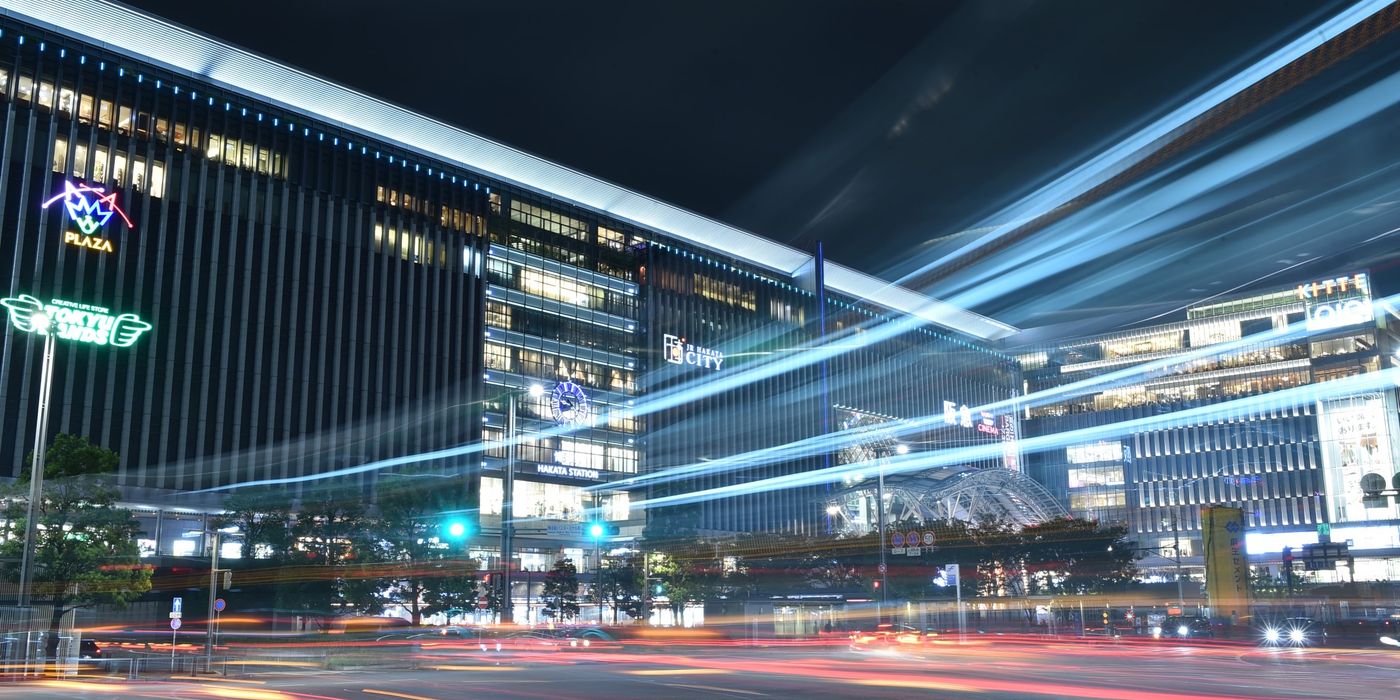
Tokyo is probably the safest major city in the world for solo travelers of any kind. Crime rates are exceptionally low. The metro system runs from 5 AM to just after midnight and covers the entire city. Restaurants have counters specifically designed for solo diners, a cultural norm that removes any awkwardness around eating alone.
The language barrier is real but manageable. Most signage in central areas is in English as well as Japanese. Translation apps handle menu reading without drama. The city's low crime rate means a lost tourist is more likely to be helped by a stranger than taken advantage of.
Hotel costs in Tokyo range widely. Budget options in central neighborhoods like Shinjuku or Shibuya start around $80 per night. Mid-range business hotels — clean rooms, 24-hour front desks, and key card elevator access — run $120 to $200 per night. These are the standard recommendation for solo female travelers: staffed lobbies, secure floor access, and the kind of clean anonymity that feels safe.
Best neighborhoods for solo female travelers in Tokyo: Shinjuku (convenient, central, never empty), Shimokitazawa (younger, more local, great for evenings alone), and Yanesen (quieter, traditional, good for slower exploration).
Lisbon, Portugal
Lisbon has become one of the top destinations in Europe for solo travel. The city is walkable in a way that few European capitals are at this scale. The seven hills are real — bring shoes with grip — but neighborhoods like Alfama, Príncipe Real, and Mouraria are navigable on foot and well-lit at night.
Portuguese people are warm toward tourists, and toward women traveling alone specifically. Women eating or drinking alone at restaurants and bars is completely unremarkable. The city has strong café culture that makes solo time comfortable and unforced.
Hotel costs in Lisbon in 2026 have risen from a few years ago, but the city remains good value compared to London or Paris. Mid-range hotels in Príncipe Real or Chiado run €100 to €160 per night. Alfama has smaller guesthouses in the €80 to €120 range that trade some amenities for character and location.
One practical note: Lisbon gets genuinely hot in July and August — peak summer can push 38 degrees. May, June, September, and October are better months for walking-based exploration.
Copenhagen, Denmark

Consistently ranked among the world's safest cities, Copenhagen is expensive but earns the premium. The cycling infrastructure is extraordinary — renting a bike is genuinely the best way to see the city, and it's a completely normal thing to do alone. The city has strong gender equality norms that make solo female travel feel unexceptional, which is exactly what you want.
The food scene is world-class. Noma's influence rippled through the whole city and spawned dozens of serious restaurants at different price points. Solo dining is comfortable and culturally normal, particularly at the counter seats many Copenhagen restaurants specifically maintain.
Hotels are expensive. Budget €160 to €250 per night for a decent mid-range hotel in central areas like Nørreport or Vesterbro. The city rewards those who stay long enough to find their own rhythm rather than rushing through highlights.
Mexico City, Mexico
Mexico City requires more research than the other cities on this list, but the payoff is substantial. The neighborhoods that work well for solo female travelers — Roma Norte, Condesa, Polanco — are genuinely safe, walkable, and among the most culturally rich urban environments in the Americas.
Roma Norte has developed an extraordinary restaurant and café scene over the past decade. The sidewalks are wide. The streets are well-lit. There are enough travelers and expats that a woman sitting alone at a coffee shop or restaurant table is completely unremarkable.
Hotel costs in Roma Norte and Condesa run $80 to $150 per night for solid mid-range options.
The practical caveats: stick to established neighborhoods, use Uber or Cabify rather than street taxis, and be aware that safety varies enormously by area. The parts of Mexico City that work well for solo travelers are genuinely excellent. The parts that don't require awareness that most travel guides understate.
Reykjavik, Iceland
Iceland is one of the most consistently safe countries in the world for travelers of any gender. Reykjavik is small — the entire capital region has around 230,000 people — but it's walkable, has a strong bar and restaurant culture, and is a natural base for day trips into genuinely dramatic landscape.
The Northern Lights are visible from the city in winter when cloud cover cooperates. The Golden Circle (Þingvellir National Park, Geysir, Gullfoss) is a day trip that most visitors do independently. The highland interior is accessible in summer and one of the most isolated landscapes in Europe.
Hotels in Reykjavik are expensive. Budget $180 to $280 per night for central options. Iceland in general is a significant financial commitment. The upside is that everything works: roads are maintained, tourist infrastructure is professional, and traveling alone in the countryside is genuinely manageable.
How to Choose a Hotel as a Solo Female Traveler
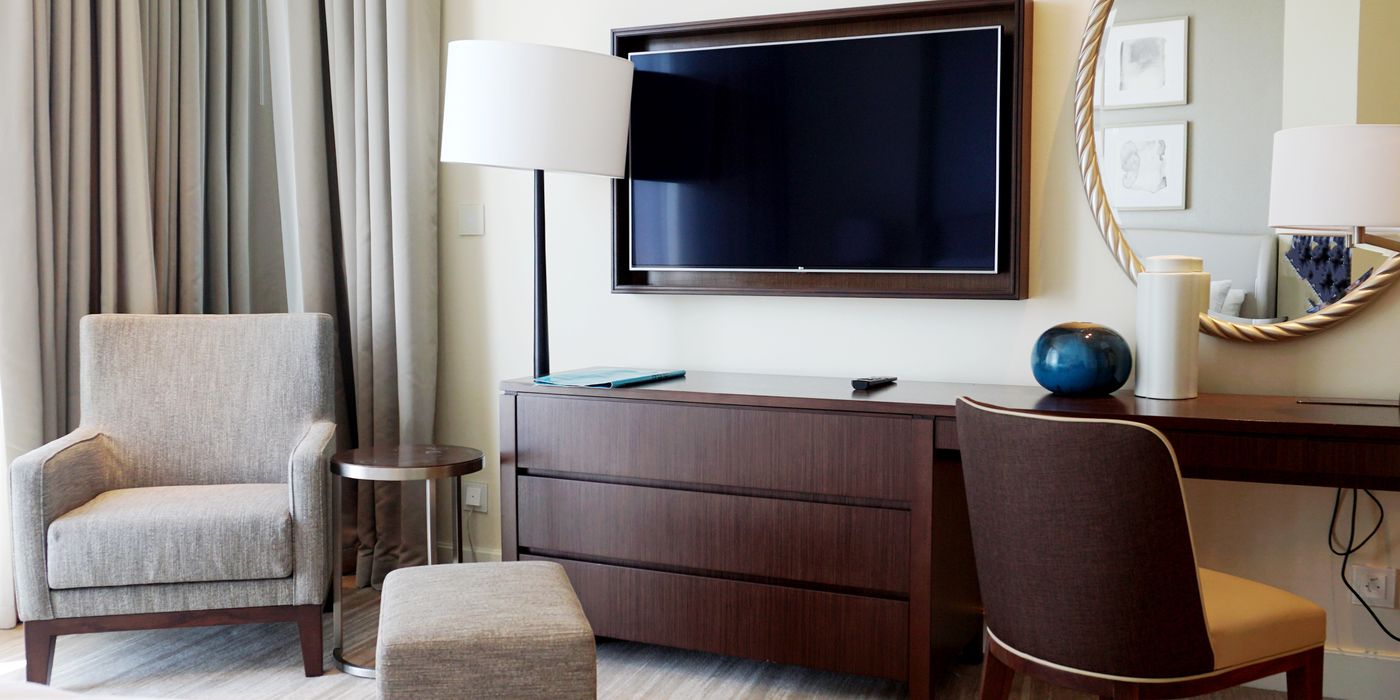
Regardless of destination, a few things matter more when you're traveling alone. A 24-hour staffed lobby — not a key-entry-only building with no overnight staff — matters for late arrivals and emergencies. Key card elevator access prevents non-guests from accessing guest floors. A room not on the ground floor and not at the end of an isolated corridor reduces exposure.
Mid-range chain hotels often score better on these measures than boutique properties. The trade-off in character is real, but so is the practical safety difference.
Best works across hotel types and gives you 10% cashback on every booking. For a solo trip of a week at $150 per night, that's $105 back.
Common Questions About Solo Female Travel
What's the safest country for solo female travel in 2026? Iceland, Japan, and the Scandinavian countries (Denmark, Norway, Sweden, Finland) consistently top safety indexes. New Zealand and Canada also rank highly, particularly for travelers more comfortable in English-speaking environments.
What type of hotel is best for solo female travelers? Mid-range hotels with 24-hour staffed lobbies, key card elevator access, and rooms above the ground floor. Business-oriented chain hotels often have better security infrastructure than boutique properties, even if the character is less interesting.
Is it strange to travel alone as a woman? Less so every year. Solo female travel has grown dramatically as a category. Most cities with significant tourism are used to it. The experience of traveling alone — making your own schedule, following your own curiosity, being fully present in a place — is something many women find they prefer to group travel.
Images via Pexels, used under license.