Where to Stay in Mexico City: A Neighborhood Guide
Where to stay in Mexico City, neighborhood by neighborhood, with real hotel price ranges and honest notes on who each area suits.
Mexico City is bigger than most people expect and easier than most people fear. The trick is not what to do. There is too much to do. The trick is where to base yourself, because the right neighborhood turns a sprawling capital into a walkable city.
We spend a lot of time looking at where travelers stay and what they pay for it. Mexico City rewards people who choose their neighborhood carefully and punishes people who book blind near the airport. This guide covers the neighborhoods worth your nights, with real price ranges and honest notes on who each one suits.
When to go, and why fall is the sweet spot
Mexico City sits at 7,350 feet, so it never gets truly hot. Days hover in the 70s most of the year. The rainy season runs roughly May through September, with short afternoon downpours that clear by evening.
Fall is the best window. October and November bring dry, clear days and the biggest event on the calendar. Day of the Dead peaks around November 1 and 2, when the city fills with marigolds, altars, and a parade that draws crowds from all over the world. If you want to be here for it, book early. Rooms in the central neighborhoods get tight weeks out, and rates climb with demand.
Roma Norte, the best first time base
If it is your first trip, stay in Roma Norte. It is the easiest place to land, walk out the door, and immediately get the city. Tree lined streets, Art Nouveau and Art Deco buildings, coffee shops that would hold their own in any capital, and some of the best restaurants in the country within a few blocks.
Roma Norte is where the food scene lives. That matters more than it sounds, because a great meal near your hotel can anchor a whole trip. You can eat taquería tacos at midnight and a tasting menu the next night without leaving the neighborhood.
Hotels here skew boutique. Nima, a small design hotel, runs roughly 405 to 445 dollars a night. La Valise, an adults only property with rooms that open onto private terraces, starts around 530. Those are the splurge tier. Plenty of smaller guesthouses and design hotels sit in the 120 to 220 range if you look past the marquee names.
Condesa, for parks and quieter nights
Right next to Roma sits Condesa, and the two blend into each other. Condesa is calmer, greener, and more residential. It wraps around two parks, Parque México and Parque España, where locals walk dogs and jog in the morning. It is compact, walkable, and close to the huge Bosque de Chapultepec.
Stay here if you want the Roma food and coffee scene a short walk away but prefer to sleep somewhere quieter. The Andaz Condesa, a full service 5 star, prices around 268 a night depending on dates, which is a lot of hotel for the money by big city standards. Boutique stays fill in the range below it.
Roma and Condesa are also the two easiest safe areas for a first trip. You can walk them day and night, and getting a cab or rideshare is simple.

Juarez, the value pick between the action
Juarez sits between Roma and the historic center, along and around the grand Paseo de la Reforma. It has been quietly getting better for years, with new restaurants and hotels opening without the price jumps Roma has seen. The Angel of Independence monument anchors the avenue, and you are a short ride from almost everywhere.
This is the neighborhood to book when you want a central base without paying Roma Norte rates. You give up a little of the tree lined charm and gain a lot of value. Rooms here often run 100 to 180 for something perfectly nice.
Centro Historico, for history at your doorstep
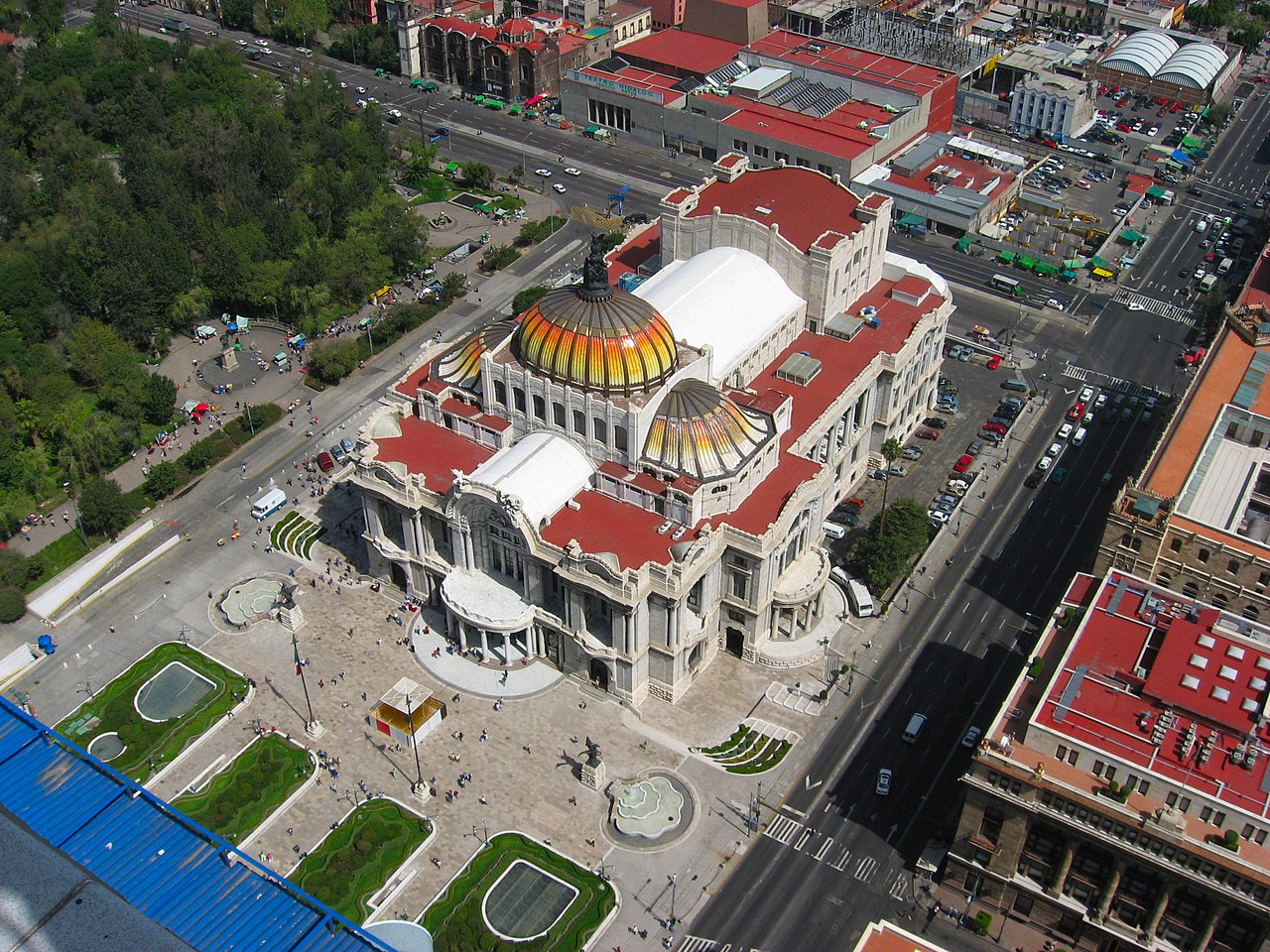
The historic center is where the city began, built on the ruins of the Aztec capital. The Zocalo, one of the largest public squares in the world, sits at its heart, ringed by the cathedral and the ruins of the Templo Mayor. The Palacio de Bellas Artes and the Diego Rivera murals are steps away.
Base here if museums and monuments are your priority and you want to walk out into history before breakfast. The trade off is that Centro empties and quiets at night, and it is less of a lingering, sit at a cafe kind of area than Roma or Condesa. Hotels range from grand old properties to simple budget rooms, and value is strong.
Polanco, for luxury and museums
Polanco is the upscale district, home to designer shops, the Museo Soumaya, and a cluster of the highest end restaurants in the city. If you want a proper luxury hotel and do not mind a more polished, less gritty feel, this is your neighborhood. Expect international chain flagships and prices to match.
It is a good fit for a shorter, splurge oriented trip. For a longer stay, most travelers find Roma or Condesa livelier and better value.
Coyoacan, for a slower, older feel
Coyoacan sits farther south and feels like a different, older town swallowed by the city. Cobblestone streets, colonial plazas, the Frida Kahlo house, and weekend markets. It is charming and calmer, but it is a longer ride from the central action.
We would not base a first trip here, but for a return visit, or for anyone who wants quiet mornings and a neighborhood that feels lived in rather than visited, it is a lovely choice.

How to think about the money
Mexico City spans a huge range. You can stay well for 100 dollars a night or spend five times that in Polanco. The boutique hotels of Roma and Condesa cluster in the middle, roughly 150 to 300 for something genuinely nice, with the marquee names climbing past 400.
Two rules save the most money. Book central and skip the airport hotels, because time and cab fares eat any savings. And book a refundable rate on a platform that gives cashback, so a 200 dollar room quietly returns 20. Over a week that is a full extra night, and Best returns 10 percent on the booking. Watch for the fees too, the same ones we cover in our guide to resort fees, though they are far less common here than in beach resort towns.
Frequently asked questions
What is the best neighborhood to stay in Mexico City for a first trip?
Roma Norte. It is walkable, safe day and night, packed with great restaurants and cafes, and central enough to reach the rest of the city easily. Condesa right next door is the quieter alternative.
How much does a nice hotel in Mexico City cost?
A comfortable boutique hotel in Roma or Condesa runs roughly 150 to 300 dollars a night. Marquee design hotels like Nima climb to 400 or more, while good value stays in Juarez and Centro can be found from around 100.
Is Mexico City safe for tourists?
The central tourist neighborhoods, especially Roma, Condesa, Juarez, Polanco, and Coyoacan, are generally safe to walk during the day and evening. Use normal city sense, take registered cabs or rideshares at night, and keep valuables low key.
When is Day of the Dead in Mexico City in 2026?
Day of the Dead peaks on November 1 and 2, with events and the citywide parade clustered around that weekend in late October and early November. Book central hotels well in advance, since rooms and rates both tighten quickly.
Images: Hero and residential street via Pexels. Palacio de Bellas Artes and Coyoacan plaza via Wikimedia Commons, used under license.



