Travelers Are Now Booking Hotels for the Restaurant
Sixty percent of travelers booked a hotel this year because of its restaurant. Here is how to use hotel dining to pick a better place to stay.
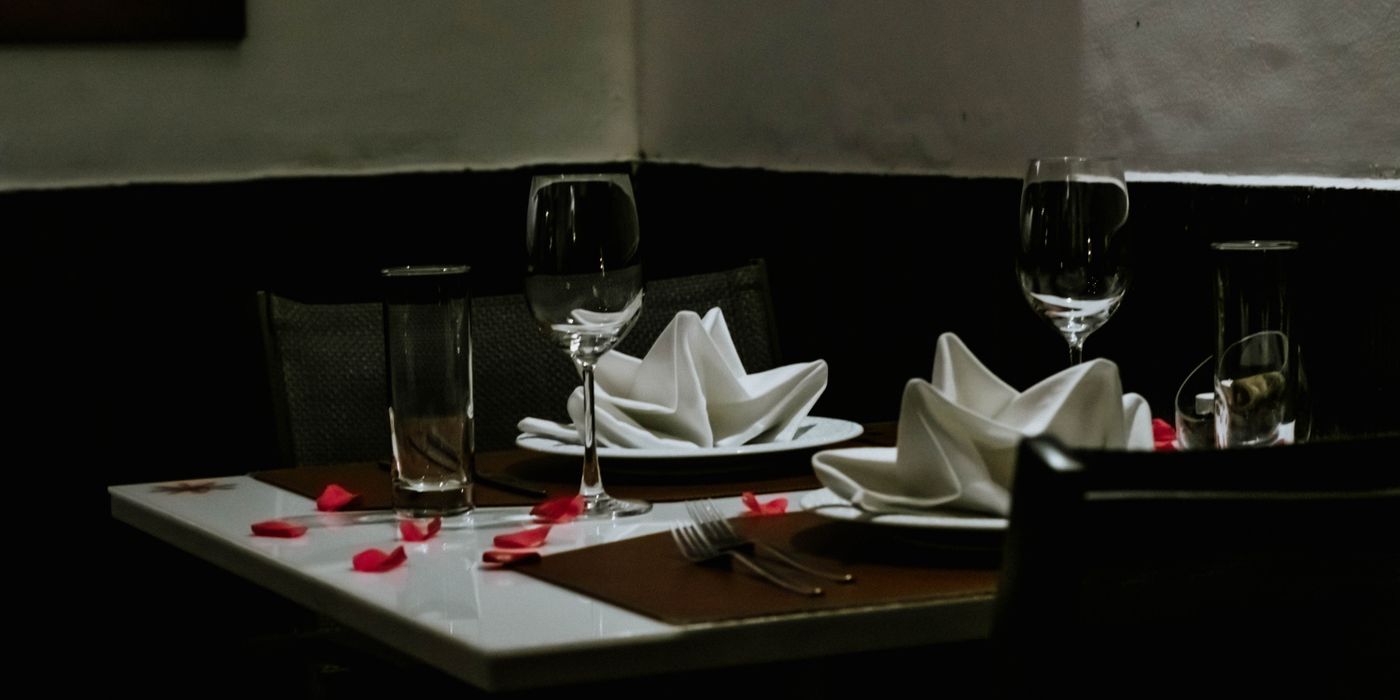
Something shifted in how people choose hotels this year. The room used to be the whole decision. Now the kitchen gets a vote.
Recent industry data shows 60 percent of travelers booked a hotel this summer because of its restaurant. Hotel restaurant dining is up year over year. This is not room service ordered out of laziness. People are picking where they sleep based on where they want to eat.
We watch booking behavior at Best, and the pattern holds. The hotel restaurant went from an afterthought to a reason. Here is why it happened, and how you can use it to book a better trip.
The hotel restaurant stopped being a punchline
For decades the phrase "hotel food" meant something specific. A sad breakfast buffet. A lobby bar that closed at nine. A room service club sandwich that cost 28 dollars and arrived cold. You ate at the hotel because you were tired, not because you wanted to.
That reputation is gone at the top of the market and fading fast in the middle. Hotels figured out that a good restaurant does two things at once. It pulls in locals who would never book a room, which fills seats on weeknights. And it gives travelers a reason to choose one property over the identical one across the street.
The economics are simple. A hotel makes money on rooms, but a full restaurant turns a cost center into a draw. So the good ones hired real chefs, built menus that stand on their own, and stopped treating the dining room as an amenity nobody rated.
The shift used to stop at the luxury tier. Now it has reached the mid range. Design forward hotels charging 150 to 250 dollars a night are opening restaurants they actually name and market, because a full dining room on a Tuesday is worth more than a quiet one that only feeds guests. That is good news if you are not booking five star suites. The kitchen you want is showing up at the price you were already going to pay.

What the 60 percent number actually tells you
When most travelers say a restaurant drove their booking, it signals something useful. The kitchen is now a reliable proxy for how much a hotel cares about the rest of the stay.
A property that invests in a serious restaurant tends to invest everywhere else too. Better mattresses. Staff who stick around. A front desk that solves problems instead of shrugging. The restaurant is the visible part of a bigger commitment, which is why it works as a shortcut when you are comparing two places that look the same online.
There is a second reason the number is climbing. Dinner reservations in popular cities have gotten hard. A hotel with a genuinely good restaurant means one great meal is already handled the day you arrive, jet lagged and unwilling to fight for a 9:45 table across town.
How to tell if a hotel restaurant is worth it before you book
Not every hotel that brags about its restaurant delivers. A few checks separate the real ones from the marketing.
Look at whether locals eat there. Search the restaurant name on its own, not the hotel name. If it shows up in city dining guides and gets reviewed as a restaurant rather than a hotel perk, that is the strongest signal you can get. Locals do not eat at bad hotel restaurants. They have options.
Check the hours and the menu depth. A restaurant open for dinner five or more nights a week with a menu that changes seasonally is a real operation. One that serves a fixed menu to guests only is a cafeteria with better lighting.
Read the recent reviews for the food specifically. Filter the noise about check in times and focus on what people say about the plates. Photos help. A dozen thoughtful food photos from the last few months beats a hundred glossy press shots.

The savings angle nobody mentions
Choosing a hotel for its restaurant can quietly save you money, and not in the way you would guess.
Eating one or two meals where you sleep cuts the daily cost of a trip more than people expect. Skip the cab across town, skip the reservation you booked out of panic, and the math changes. A hotel with a strong breakfast and a dinner spot worth staying in for can replace two restaurant hunts a day.
The trap is paying a premium for the room just because the restaurant is famous. That is where the comparison matters. Two hotels, similar location, similar rooms, one with a real kitchen. Book that one, but do not overpay for the name.
This is also where cashback does real work. Book a 200 dollar room through Best and 20 dollars comes back to you. Over a four night stay that is most of a dinner covered, at the restaurant that made you pick the hotel in the first place.
Where this trend is heading
Expect more hotels to lead with the restaurant in how they market themselves, because it works. The risk for travelers is that "chef driven" becomes as meaningless as "boutique" did a decade ago. The word gets stapled onto everything until it means nothing.
The defense is the same as always. Judge the restaurant as a restaurant. If it would survive without the hotel attached, it is the real thing. If it only exists to give guests somewhere to spend their per diem, keep your expectations low and your dinner reservations elsewhere.
Breakfast is the quiet tiebreaker
\n
Dinner gets the attention, but breakfast is where a hotel restaurant earns its keep on an ordinary trip. A strong morning spread you can roll into still half asleep saves the daily hunt for coffee and eggs in an unfamiliar city, and it starts the day without a decision. Some hotels include it, some fold it into a resort or amenity fee, and some charge a steep add on for a buffet that is not worth it. Check which before you book. An included breakfast that would cost 20 dollars a head outside is real money back on a multi night stay, and it is the amenity you are most likely to actually use every single day. When two hotels are otherwise a coin flip, the one with a breakfast worth waking up for wins.
Frequently asked questions
Are hotel restaurants usually more expensive than regular restaurants?
Often, but not always. Hotel restaurants that court local diners tend to price competitively with the neighborhood, since locals will not pay a tourist premium. The ones that only serve guests can charge more because their customers are captive.
Should I book a hotel just for the restaurant?
Only if the room and location also make sense. Use the restaurant as a tiebreaker between similar options rather than the whole reason. A great meal does not fix a bad bed or a 40 minute commute to everything you came to see.
How do I find hotels known for their food?
Search the restaurant independently of the hotel and see if it appears in local dining coverage. City food guides, recent diner photos, and reviews that treat it as a restaurant rather than a hotel feature are the clearest signs.
Do I get any discount for eating at the hotel where I am staying?
Sometimes loyalty members get dining credits or a percentage off. It varies by chain and property. Booking with cashback through a platform like Best puts money back regardless, which you can then spend on dinner.
Images: Hero and dining room via Pexels. Grand dining room by the Belmond Grand Hotel Europe via Wikimedia Commons, used under license.