8 Coolcation Destinations for Summer 2026 (and What Hotels Cost)
Search interest in "coolcation" jumped 3,500% since early 2024. The reason is obvious if you tried to walk through Rome last August. We've watched hotel demand shift north every summer since 2023, and the data this year is telling. Norway's summer hotel bookings are up 72%. Iceland and Greenland are sold out months ahead. Even the Scottish Highlands have a waiting list.
So we put together a list of eight coolcation destinations that actually deliver on the promise. Average summer temperatures between 12 and 20°C. Real hotels at real prices. The kind of trip you come back from feeling rested instead of cooked.
What Counts as a Coolcation
A coolcation is a summer trip to a destination that stays under 22°C even in July and August. Most of the popular ones cluster in Northern Europe, the Alps, and the Atlantic coast of Britain and Ireland. The defining feature is daytime highs you can actually walk around in without hiding from the sun.
Average summer temperatures across mainland Europe rose to record levels in 2024 and 2025. Mediterranean destinations regularly hit 35°C and above. Cities like Rome, Athens, and Barcelona now run multiple heatwave warnings between June and September. Travelers who used to chase warmth are now booking flights in the opposite direction.
The list below is organized roughly by how cold the destination runs. We've included rough hotel prices for July 2026 based on what we're seeing across booking platforms right now.
1. Nuuk, Greenland
Maximum summer temperature: 11°C. About 20 hours of daylight in late June.
Nuuk is the coldest of the major coolcation destinations and probably the most striking. It's the capital of Greenland, sits at the head of a 100-kilometer fjord system, and has a population smaller than most American suburbs. New direct flights from Newark, Copenhagen, and Reykjavik opened up in 2024 and changed the access entirely.
Hotel options are limited. Hotel Hans Egede is the city's main full-service property and runs around $280-340 per night in July. Smaller guesthouses go for $140-200. Book early. Capacity here doesn't expand the way it does in larger cities.
What to do here is mostly water and ice. Boat trips through the Nuuk Fjord, hiking up Lille Malene for the city view, and visiting the National Museum which has the actual mummies of Qilakitsoq. The food scene has improved a lot. Sarfalik is the standout restaurant if you want a proper dinner.
2. Iceland (Reykjavik and the Ring Road)
Average summer temperature: 12°C. Extended daylight throughout June and July.
Iceland was the original coolcation before the word existed. Summer here means cool, bright, and busy. Hotels in Reykjavik run between $220 and $400 per night for mid-range options in July. The Ring Road takes anywhere from a week to ten days to drive properly, and prices outside the capital tend to be 20-30% lower.
What gets missed is how much of Iceland is empty. The Westfjords, the eastern fjords, and the highlands all have far fewer visitors than the south coast. If you've been before, this is where to go. We'd skip the Blue Lagoon entirely and head to Mývatn Nature Baths or the Forest Lagoon near Akureyri instead.

3. The Norwegian Fjords (Bergen, Ålesund, Geiranger)
Average summer temperature: 14-17°C.
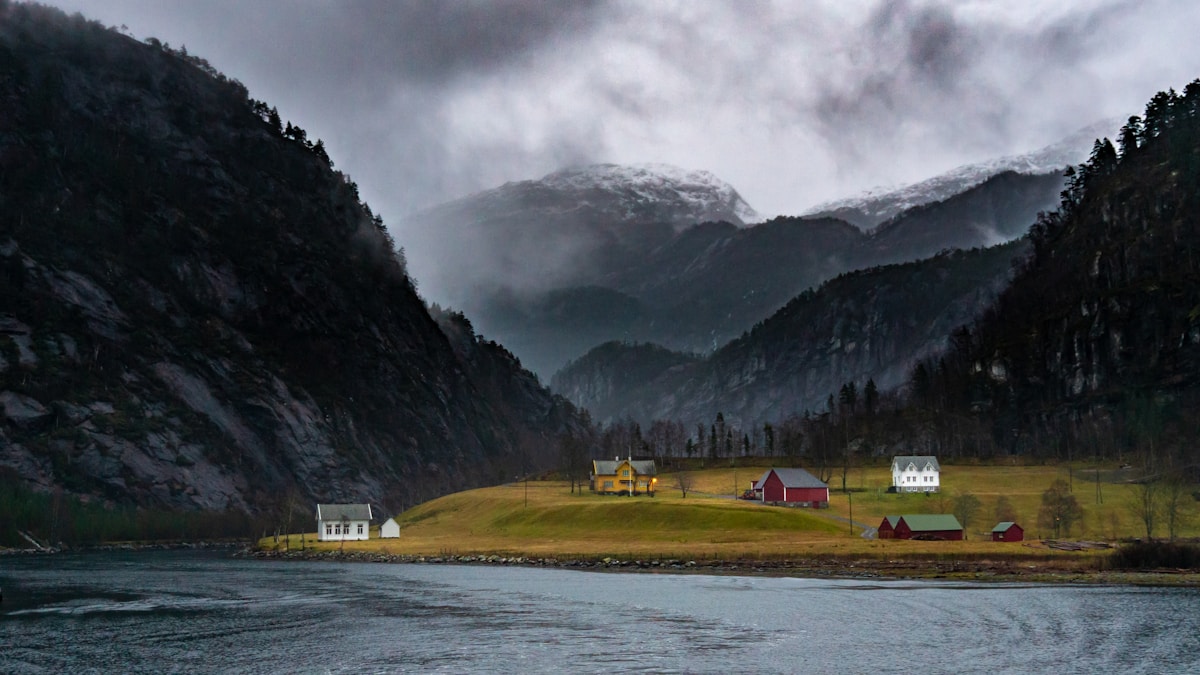
Norway is having a moment. Hotel bookings are up 72% year over year for summer 2026. Bergen and Ålesund are the obvious base cities. From there it's boats, trains, and rental cars to fjord country.
Hotel pricing in Bergen runs $180-280 for mid-range options in July. Smaller fjord-side towns like Geiranger and Flåm are pricier in season because of limited capacity and tour bus traffic. Expect $250-400 per night and book six to eight months out for the better properties.
Hardangervidda, Jotunheimen, and the lesser-known Folgefonna glacier area all sit within day-trip distance of Bergen and have nothing close to the crowds you'll find on the Geirangerfjord. The infrastructure is excellent and the trains are reliable in a way most American travelers find surprising.
4. Scottish Highlands
Average summer temperature: 16°C.
The Highlands have always been cool. What's new is how popular they've become with travelers who would have gone to the Mediterranean five years ago. Inverness, Fort William, and Skye are seeing record visitor numbers, and small B&Bs in particular are selling out months ahead.
Hotel pricing is wide-ranging. Inverness sits around $150-220 per night in July. Skye is more expensive because of capacity constraints, with mid-range options around $220-320. The North Coast 500 has driven up rates along its full route, and we'd argue it's now overhyped relative to other Highland drives.
What we'd actually recommend is a base in Aviemore or Pitlochry and day trips into the Cairngorms. Better hiking, better restaurants, fewer tour buses. Ardnamurchan Peninsula is another underrated stretch if you want quiet roads and empty beaches.
5. The Dolomites, Italy
Average summer temperature at altitude: 19°C.
The Dolomites are how you get an Italian summer without the heat. UNESCO World Heritage status, jagged limestone peaks, and dozens of mountain towns at elevations that keep temperatures civilized through August. Cortina d'Ampezzo, Bolzano, and Ortisei are the main bases.
Hotel pricing runs higher here than most travelers expect. Cortina is the most expensive at $300-500 per night for mid-range hotels in July. Bolzano is more reasonable at $180-280. Smaller villages like Castelrotto and Selva di Val Gardena offer better value.
The cable car network turns hiking into something almost anyone can do. You can take a lift up to 2,500 meters and walk along ridge trails with views that look fake. The Alta Via routes are the more serious multi-day options. Refuge huts book up in March for July stays, so plan accordingly.
6. Slovenia (Lake Bohinj and the Julian Alps)
Average summer temperature: 18-22°C.
Slovenia is what the Alps used to feel like before mass tourism caught up with them. Lake Bled is famous and crowded. Lake Bohinj, twenty minutes further into the mountains, is bigger, deeper, and far quieter. The water is clean enough to drink and cold enough to wake you up properly.
Hotel prices here are dramatically below the rest of the Alps. Mid-range options around Lake Bohinj run $120-180 per night in July. Even the better lakeside hotels stay under $250. Ljubljana, an hour's drive away, sits at $130-200 for solid four-star properties.
Triglav National Park covers most of the Julian Alps and gives you a week of hiking before you start repeating trails. Vintgar Gorge is touristy but worth an early morning. The Soča River valley on the other side of the mountains is one of the most beautiful drives in Europe and almost no Americans know about it.

7. Faroe Islands
Average summer temperature: 13°C.
The Faroe Islands are halfway between Iceland and Norway, both literally and culturally. Eighteen islands of dramatic green cliffs and small villages of grass-roofed houses. Atlantic Airways flies in from Copenhagen and Edinburgh. The whole country has fewer than 55,000 people.
Hotel options are limited and pricing reflects that. Tórshavn, the capital, has options between $220-360 per night in July. Smaller guesthouses across the islands run $150-240. Many travelers rent cars and stay in different villages each night, which works well because nothing is more than a 90-minute drive.
The walk to Drangarnir, the floating-rock view from Sørvágsvatn, and the village of Gjógv are the standard highlights. Mykines island has puffins from May through August. The food at Koks (now relocated to Greenland) made the country famous, but Áarstova and Barbara Fish House in Tórshavn are excellent and easier to book.
8. Tasmania, Australia
Average winter temperature in July: 7-13°C.
Tasmania is the southern hemisphere coolcation. July is winter there, which means cold but manageable, with low season pricing and empty trails. The advantage is dramatic. Hotels in Hobart that go for $400+ in January summer drop to $180-260 in July. Wineglass Bay and Cradle Mountain look entirely different under occasional snow.
Direct flights from Melbourne and Sydney make the logistics simple. Once on the island, distances are short. Hobart in the south, Launceston in the north, and the wilderness in between can be covered in a week to ten days.
What's worth knowing is that Tasmanian winter is a foodie season. Truffle festivals, Dark MOFO in mid-June (the festival that put Hobart on the map), and the kind of long fireplace dinners that make the cold feel intentional.
How to Save on a Coolcation This Summer
Coolcation destinations are getting expensive because demand is outpacing capacity. Here's what we'd actually do to save money on a 2026 trip.
Book six months ahead for the most-visited spots. Iceland, Norway, and Switzerland sell out faster than any other coolcation regions. Smaller destinations like Slovenia and the Faroe Islands have more flexibility into June.
Pick the second-tier city as your base. Akureyri instead of Reykjavik. Stavanger instead of Bergen. Bolzano instead of Cortina. You'll save 30-40% on the same level of hotel and have an easier time getting reservations at restaurants.
Travel mid-week. Saturday-night arrival into Reykjavik or Bergen costs 25-30% more than a Tuesday. Most travelers don't think about this. Hotel revenue managers absolutely do.
Use cashback. We built Best because we got tired of watching booking platforms keep the savings from price drops to themselves. Book a hotel through best.so and you get 10% back on every stay. On a week-long Iceland trip at $250 per night, that's $175 returned to you. It works on every property we have, including most of the ones in this guide.
Frequently Asked Questions
What is a coolcation?
A coolcation is a summer vacation to a destination that stays cool, usually under 22°C, even in July and August. Popular regions include Norway, Iceland, Greenland, Scotland, the Alps, and the Faroe Islands. The term emerged as Mediterranean summers became increasingly hot, with searches for "coolcation" rising 3,500% since 2024.
What are the cheapest coolcation destinations in 2026?
Slovenia and Tasmania offer the best value. Mid-range hotels around Lake Bohinj run $120-180 per night in July. Tasmania in July (its winter) sees hotel rates drop 40-50% from summer pricing. The Scottish Highlands are also more affordable than Iceland or Norway, especially outside the North Coast 500 route.
When should I book a coolcation for summer 2026?
Book six months ahead for high-demand destinations like Iceland, Norway, and the Dolomites. Hotel inventory in places like Geiranger, Cortina, and the Faroe Islands sells out by February for July stays. Slovenia, Scotland, and Tasmania have more flexibility, with availability often holding into May or June.
Is a coolcation more expensive than a Mediterranean trip?
Often yes. Iceland and Norway run 20-40% higher than Spain or Portugal for comparable accommodations. The Dolomites match or exceed Tuscany pricing in peak season. Slovenia, Tasmania, and the Scottish Highlands are the exceptions and can be 15-25% cheaper than equivalent Mediterranean destinations.
Do you need a special wardrobe for a coolcation?
Layers and rain gear matter more than heavy winter clothing. Most coolcation destinations sit between 12 and 22°C in summer, with frequent rain in places like Iceland, Norway, the Faroes, and Scotland. A waterproof shell, sturdy walking shoes, and a warm mid-layer cover most situations. Tasmanian winter requires more substantial cold-weather gear.
Images: Hero (Norwegian fjord) by Robert Bye. Iceland coastal landscape by Tim Trad. Alpine lake by Eberhard Grossgasteiger. All via Unsplash, used under license.