Why Travelers Are Skipping Europe's Big Cities for Smaller Ones in 2026
Fall bookings are up, summer is down, and travelers are trading Paris and Rome for Bologna and Ljubljana. Here is why.

Something shifted in how people book Europe this year. The cities that used to be the automatic answer, Paris and Rome and Barcelona, are no longer the default. The bookings are moving to places most travelers could not have found on a map five years ago.
We watch hotel demand data closely, and the pattern is hard to miss. Fall bookings across Europe are up while peak summer is down, and a quiet migration toward smaller cities is reshaping where the value is. Here is what is happening and where the crowd is going instead.
What the numbers show
European fall bookings among high-end travelers are running about 25 percent ahead of last year, while summer bookings for the same group are down roughly 10 percent. That is not a small wobble. It is a season-sized shift in when people choose to go.
Look at the big five most-visited cities, Barcelona, Istanbul, London, Paris, and Rome, and the occupancy data tells the same story from another angle. What used to be the packed high season now runs less full than the shoulder months around it. The peak has flattened, and in some cities the old off-season is busier than July.
Why people are booking around the big cities
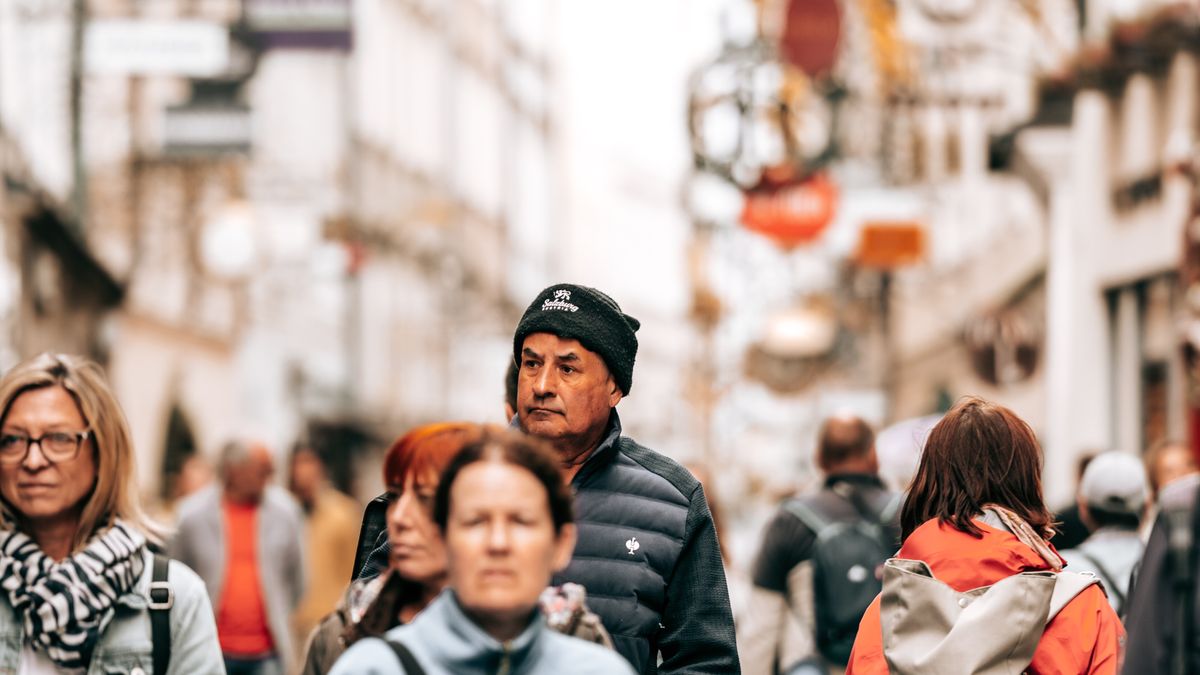
Three forces are pushing in the same direction. The first is money. A peak-summer week in central Barcelona or Rome has priced a lot of households out, and the math on a smaller city is simply better. The second is crowds. Anyone who has shuffled through the Trevi Fountain in July knows the experience does not match the postcard.
The third is that the big cities are pushing back. Venice now charges day-trippers to enter on peak dates. Barcelona has moved to phase out short-term tourist rentals. Several Greek islands cap cruise arrivals. The message from the most crowded places is that they would like fewer visitors, and travelers are taking the hint and looking elsewhere.
Where the crowd is going instead
The winners are the secondary cities, the ones with the same history and food at a fraction of the pressure. Bologna is pulling travelers who once defaulted to Florence, with better food, a fraction of the queues, and hotel rates that undercut Tuscany. In Spain, Valencia and Seville are absorbing the travelers who used to fly straight to Barcelona.

Farther east, Ljubljana in Slovenia is having the kind of year that used to belong to Vienna and Prague. Porto keeps taking share from Lisbon. The smaller Greek islands like Naxos and Milos are catching the travelers priced out of Santorini. The common thread is a place that gives you the region without the crush, usually for 30 to 40 percent less a night.
What this means for booking in 2026
If you have been priced out of the marquee cities, the smart move is to follow the shift rather than fight it. Pick the secondary city an hour or a short train from the famous one, book the shoulder months on either side of summer, and compare hotels on the all-in total rather than the headline rate.
The savings compound. A smaller city already costs less, the shoulder season knocks the rate down again, and cashback trims what is left. Book through Best and you get 10 percent back on the room on top of the lower base, which is how a five-night trip to Bologna ends up costing what two nights in Florence would.
Common questions about Europe's secondary cities
A few things we get asked a lot.
What are the best alternative cities to visit in Europe in 2026? Bologna instead of Florence, Valencia or Seville instead of Barcelona, Ljubljana instead of Vienna, Porto instead of Lisbon, and the smaller Greek islands instead of Santorini. Each offers the same region with fewer crowds and lower prices.
Is it cheaper to visit smaller European cities? Usually yes. Secondary cities often run 30 to 40 percent less per hotel night than the marquee city nearby, and the gap widens further in the shoulder seasons.
Why are travelers avoiding big European cities? Higher prices, heavy summer crowds, and new anti-overtourism rules like entry fees and short-term rental limits are pushing travelers toward smaller cities and shoulder-season dates.
More swaps worth making
The pattern goes well beyond the headline examples. Travelers who used to book Amsterdam are landing in Rotterdam and Utrecht, a short train away and a fraction of the hotel price. The Dolomites are pulling the crowd that once did the Amalfi Coast, trading cliffside traffic for mountain air. Along the Adriatic, the Dalmatian coast around Split and its islands is absorbing the overflow from a Croatia that used to mean only Dubrovnik.
In France, Lyon and Bordeaux are catching weekenders who assumed Paris was the only option, with food scenes that arguably beat the capital and rooms that cost less. Even within a single country the swap works. Spain sends you from Barcelona to Valencia, Portugal from Lisbon to Porto or the Algarve towns, Italy from Florence to Bologna or from Venice to Verona and Padua just up the line.
None of these are secrets to the people who live there. They are just places that never had the marketing machine of the marquee cities, which is exactly why they still feel like themselves and still cost what a European trip used to cost.
How to pick your swap
The method is simple once you see it. Start with the famous city you wanted, then look for the secondary city within about an hour by train that shares the same region, food, and history. Nine times out of ten it exists, and nine times out of ten it is cheaper and calmer.
From there, check the calendar as hard as you check the map. The same room in the same city can swing 40 percent between the second week of July and the second week of October. Pushing your dates into the shoulder months does as much for your budget as changing the city does. Stack the two moves together and the savings are dramatic.
Then compare on the all-in total rather than the nightly headline, since a smaller city with no resort or destination fee often beats a big-city rate that looked lower at first glance. This is the discipline that turns the trend into real money in your pocket rather than a nice idea.
Getting to the smaller cities
One reason the shift is easy to act on is that the secondary cities are rarely hard to reach. Europe's budget airlines have spent a decade building routes into exactly these places, so a flight into Bologna, Valencia, or Porto is often cheaper than the one into the marquee city nearby. And where the flight does not go direct, the train usually does.
That train leg is part of the appeal. A high-speed line puts Bologna 35 minutes from Florence and Valencia under three hours from Madrid, so you can base yourself in the cheaper, calmer city and still day-trip into the famous one if you want the museum or the cathedral. You get the lower nightly rate for the whole trip and the headline sight for an afternoon, which is the best of both columns.
Add it up and the case for the swap is not really about sacrifice. It is about getting the same region, the same food, and the same history with more room to breathe and more money left over at the end. The travelers moving this way in 2026 have simply done the math first.
Images: Hero Piazza Maggiore in Bologna by Ingo Mehling and Ljubljana old town by Petar Milosevic, both via Wikimedia Commons, used under license. Crowd photo by Tamara G.P via Pexels.