Europe's New Entry Rules Are Almost Live. What to Sort Out Before Your Next Trip
Europe's EES border checks are live and ETIAS starts late 2026. Here is what US travelers should sort out before booking a Schengen trip.
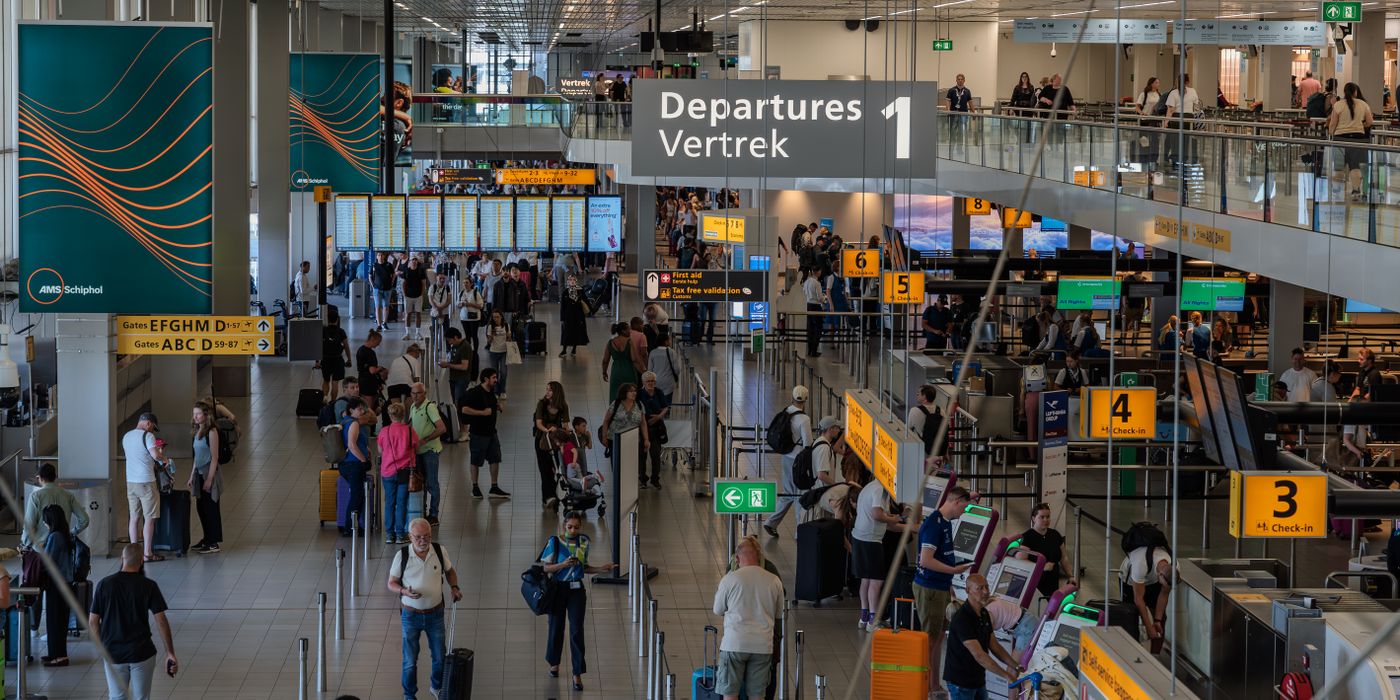
Two things are changing about how you get into Europe. One is already running at the border. The other lands in the last few months of 2026. Neither is a visa, and neither should wreck your trip. But if you are flying to the Schengen area this year, a few minutes of prep now saves you a bad surprise at the airport later.
We track the stuff that quietly changes the cost and hassle of a trip. This one is worth ten minutes of your attention before you book anything.
The short version
The Entry/Exit System, or EES, is a biometric border check that went fully live across the Schengen area on 10 April 2026. It is free, and there is nothing to do in advance. ETIAS is a separate pre-travel authorization that starts in the final quarter of 2026, costs about 20 euros, and lasts three years. For most of 2026 there is a grace period, so you are encouraged to have it but not turned away without it yet.
If your trip is this summer, EES is the only piece that touches you, and it happens at the border. If your trip is in late fall or you are already planning for 2027, ETIAS is the one to keep on your radar.
EES is already running at the border
EES replaced the old passport stamp. Instead of an officer inking a page, the system records your name, your travel document, the date and place of each entry and exit, and your biometrics. That means a facial image and fingerprints, captured the first time you cross an external Schengen border.
There is no fee for EES and no form to fill out ahead of time. You do it at the airport or land crossing on arrival. The first crossing takes a little longer because of the biometric capture. After that, the data is on file for three years and later trips move faster.
The practical effect for travelers is simple. Build in extra time at immigration on your first arrival under the new system, especially at big hub airports during peak hours. If you are connecting tight, that first EES stop is where the minutes go.
ETIAS lands in late 2026
ETIAS stands for the European Travel Information and Authorisation System. It is a pre-travel authorization for people who already travel to Europe without a visa, which includes citizens of the United States, Canada, Australia, the UK, and dozens of other countries. You apply online before you fly.
Here is what to expect. The fee is around 20 euros per application, with exemptions for younger and older travelers. Once approved, an ETIAS is valid for three years or until your passport expires, whichever comes first. Most applications are expected to clear quickly, but the official advice is to apply well before you travel in case yours needs extra review.
ETIAS is tied to your passport. If you renew your passport, you need a new ETIAS. So if your passport expires in the next year or two, sorting the renewal first and applying for ETIAS second saves you paying twice.
One more detail that matters. A roughly six-month transitional window is planned when ETIAS first launches. During that stretch, travelers are encouraged to hold an authorization but will not be strictly refused boarding without one. We would still get it early rather than test the grace period at a gate.
What this actually changes about booking a trip
None of this changes the 90 in 180 rule. Visa-free visitors can still spend up to 90 days in any 180-day period in the Schengen area. EES just makes that count automatic and precise, since your entries and exits are now logged to the day. If you have been loose about tracking your days across multiple trips, this is the year to start being exact.
Check your passport validity before you book. The general rule for the Schengen area is that your passport should be valid for at least three months beyond your planned departure and issued within the last ten years. A renewal can take weeks in peak season, so this is the first thing to verify, not the last.
Keep your hotel booking flexible if your travel dates sit near the ETIAS launch. Refundable rates cost a little more up front, but they let you shift dates without losing money if any rollout timing shifts. We walk through when that trade-off is worth it in our guide on when hotel prices actually drop.

Who needs to care, and who does not
EES applies to all non-EU travelers entering the Schengen area for a short stay, including US citizens. ETIAS applies specifically to passport holders from the countries that currently enjoy visa-free travel to Europe. If you already needed a visa for Europe, ETIAS is not for you, since your existing visa process covers entry.
EU and Schengen nationals are not affected by either system when moving inside the area. And a handful of European countries sit outside Schengen, so entry rules there can differ. If your itinerary mixes Schengen and non-Schengen stops, check each country's rules rather than assuming one authorization covers the whole trip.
How to prepare in ten minutes
Do these now and you are set for the rest of the year.
First, check that your passport is valid for at least three months past your return date and was issued within the last ten years. Renew now if it is close.
Second, if you are traveling before ETIAS launches, you are done. Just plan for a slightly slower first arrival because of EES biometrics.
Third, if you are traveling after the launch or in 2027, bookmark the official EU ETIAS page and apply once the system opens. Apply early, not the night before your flight.
Fourth, keep proof of your onward travel and accommodation handy. Border officers can still ask, and having your hotel confirmation on your phone makes the EES stop quick. If you book your stay through Best, that confirmation lives in one place and you get 10 percent cashback on the room, which softens the sting of the new fees.
Frequently asked questions
Is ETIAS a visa?
No. ETIAS is a travel authorization, not a visa. It is a lighter online check for people who already visit Europe without a visa. You still apply before you fly, but the process is quicker and cheaper than a visa application.
How much does ETIAS cost and how long is it valid?
The fee is about 20 euros, with exemptions for travelers under 18 and over 70. Once approved, it is valid for three years or until your passport expires, whichever comes first.
Do I need to do anything for EES before I fly?
No. EES is handled at the border with no advance registration and no fee. Your fingerprints and photo are captured on your first crossing, so just allow extra time at immigration that first time.
What happens if I travel during the ETIAS grace period without one?
During the roughly six-month transitional window at launch, you are encouraged to hold an ETIAS but should not be refused boarding solely for lacking one. Once the grace period ends, it becomes a firm requirement, so getting it early is the safe move.
Images via Pexels and Pixabay, used under license.



