Europe's New Tourist Rules Took Effect in 2026. Here's What's Capped, Taxed, and Banned.
Venice extended its day-trip fee. Barcelona doubled its tourist tax. Pompeii capped visitors. Here is what changed in 2026 and what it costs you.

Europe's new tourist rules took effect across most of the summer 2026 season, and the changes are bigger than the headlines suggest. Venice extended its day-trip fee to 60 dates. Barcelona doubled its tourist tax. Pompeii capped daily visitors at 20,000. Amsterdam is cutting cruise traffic by nearly half.
For travelers, this means three things. The trip costs more. Some of the most-photographed places need a reservation. And a few destinations are quietly becoming better visits because the rules pushed crowds elsewhere.
We've tracked all the new rules going into effect this summer. Here's what's actually changed, what it costs you, and where the smart money is going.
Venice. Pay to Enter on 60 Days
Venice extended its day-tripper fee to 60 selected dates between April and July 2026. The fee is 5 euros if paid four or more days ahead, 10 euros for late bookings. Children under 14, residents, and overnight hotel guests are exempt.
You register at venezia-unica.it before arrival. You get a QR code. You show it at the entry checkpoints around the historic center.
The fee isn't the story. The QR code is. Venice now knows exactly how many day visitors are in the city on peak dates, and the data is going to drive future caps. The mayor's office has already floated a hard daily cap for 2027. The fee is the soft version. The cap is coming.
If you're going to Venice in 2026, book an overnight hotel stay. That exempts you from the fee. Then the rule actively helps you. Fewer day visitors means shorter lines at the Doge's Palace and easier reservations at the good restaurants in Cannaregio.

Barcelona. Tourist Tax Doubled
Catalonia doubled its regional tourist tax in April 2026. Combined with Barcelona's municipal surcharge, a 4-star hotel now collects between 6 and 8.50 euros per person per night in taxes. Children under 17 are exempt.
For a couple staying three nights in a 4-star, that's about 66 euros in tax alone. For a family of four, it's still 66 euros because the kids don't pay.
The bigger story is that Barcelona stopped issuing new hotel permits in its most-visited neighborhoods (the Gothic Quarter, El Born, La Rambla). And the city council voted to phase out all short-term rentals by 2028. About 10,000 Airbnb-style listings will disappear from the market over the next two years.
Hotel supply is now capped. Demand is rising. Prices in Barcelona are up 14% year over year as of May 2026. We're tracking the highest rate growth in any major Mediterranean city.
If Barcelona is on your list, book early and consider staying in Poble Sec or Gracia instead of the Gothic Quarter. Same Barcelona experience, lower rates, easier permits for hotels means more inventory.
Amsterdam. Cruise Ships Halved, 12.5% Tax
Amsterdam now levies a 12.5% tourist tax on accommodation. Add the city's 14.50 euros per-passenger cruise fee. The municipality is also capping cruise port calls at 100 in 2026, down from 190 last year. By 2035, cruise ships will be banned entirely from the central harbor.
What this means for the average traveler. A 200 euro a night hotel in Amsterdam now costs 225 after the tax. Per night. Add it to your budget.
What it means for the city. With cruise traffic dropping fast, the daytime crowds in the central canals are smaller. The Anne Frank House and Rijksmuseum reservation slots are easier to get. The restaurant scene is improving because the food doesn't have to serve 20,000 day-trippers a day.
Amsterdam is becoming a better visit because of these rules, not a worse one. The cost goes up. The experience improves.

Pompeii. Hard Cap of 20,000 a Day
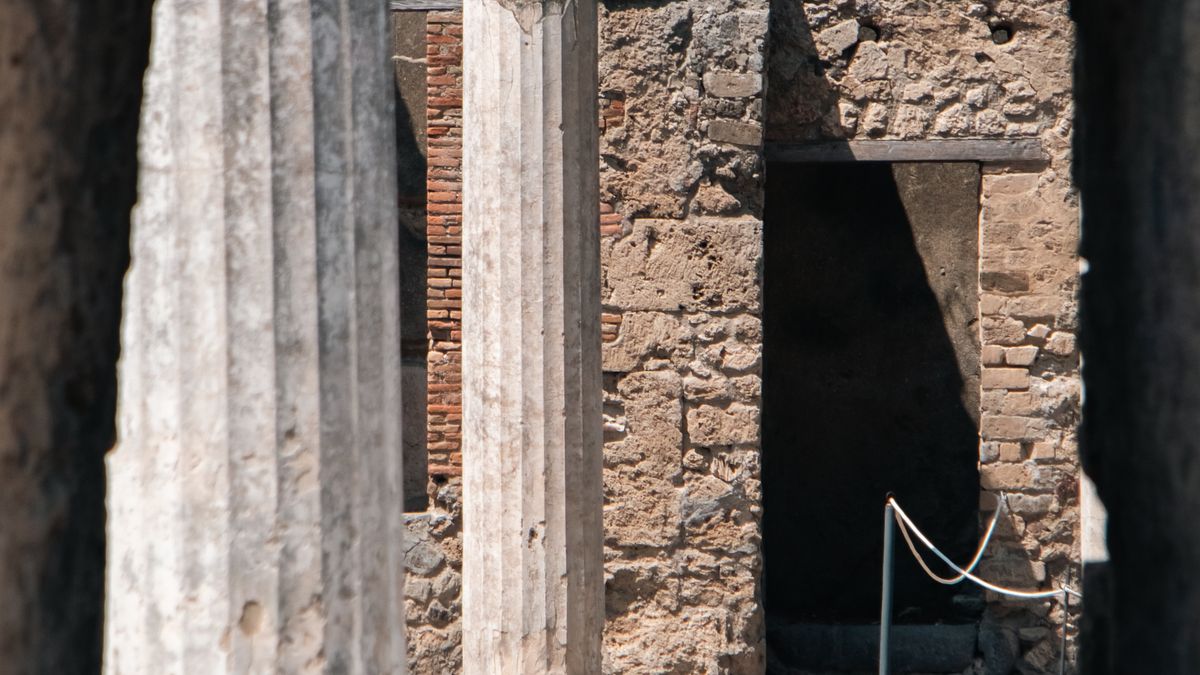
Pompeii hit 4 million visitors in 2024. In 2025, the site introduced a hard daily cap of 20,000. That cap is now strictly enforced for the 2026 summer season.
Practical impact. You need a timed-entry ticket. Walk-ups during high season are turned away by 10 in the morning. Book at least two weeks ahead for peak summer dates. Tickets run 22 euros for a full-site entry.
The cap is good. With 4 million visitors a year, the site was getting destroyed. Stones were being polished smooth by foot traffic. The frescoes in the smaller villas were degrading from humidity. The cap will preserve Pompeii for another century. It just takes some planning.
Other Caps to Know About
The Alhambra in Granada. Has been on a strict daily cap of 6,600 since 2015. Books out months ahead for summer. Reserve when you book your flight.
Cinque Terre. The walking trails between the five villages now require a permit during peak hours (June through September, 9 to 4). The Sentiero Azzurro permit is 7.50 euros.
The Acropolis. Introduced a 20,000 daily visitor cap in 2024. Timed entry. Books up for summer afternoons especially. Morning slots open about a month ahead.
Dubrovnik. Capped cruise ship arrivals to two per day starting 2024, with no more than 5,000 passengers ashore at once. The old city feels noticeably less crowded as a result.
Where the Crowds Are Going Instead
When you cap or tax the famous places, travelers don't stop traveling. They just go somewhere else. The big winners in 2026 are predictable but underappreciated.
Lyon is up 22% in international bookings year over year. Same Parisian charm, fewer crowds, lower hotel prices. Ljubljana up 31%. Porto continues its multi-year boom. Bologna is the breakout Italian city of 2026, with hotel bookings up 28% and rates still 30% below Florence.
If you'd planned to go to Venice or Barcelona this summer and the new rules are making you reconsider, these alternatives deliver a comparable experience without the friction.
What This Costs You
Total extra cost for a typical European summer trip in 2026. About 40 to 80 euros per person across a week, depending on the cities.
That's 5 euros at Venice, 14.50 euros at Amsterdam in cruise fees if applicable, 18 euros in tourist tax across three nights at a 4-star hotel in Barcelona, and a few extra euros for timed-entry reservations at the major sites.
Not a deal-breaker. But enough that the cashback math matters more than ever. Best returns 10% on hotel bookings. On a 1,000 euro hotel week in Europe, that's 100 euros back. More than enough to cover all the new tourist taxes and entry fees on the trip.
What's Coming Next
The EU Entry Exit System (EES) launched late 2025. The European Travel Information and Authorization System (ETIAS) is now scheduled to go live in Q4 2026 after multiple delays. Once active, US travelers will need to apply online and pay a 7 euro fee before visiting Schengen countries. The application takes a few minutes. The fee covers three years.
Italy, France, and Spain are all considering stricter caps on short-term rentals in tourist areas. The political consensus across southern Europe has shifted toward managing tourism volume, not maximizing it. Expect more cities to follow Barcelona's lead over the next two years.
The message is consistent across countries. Europe is making a deliberate choice. Fewer, higher-quality visitors over more, lower-quality ones. The cost goes up. The experience improves. The rules favor planners.
FAQ
Do I have to pay the Venice tourist tax if I stay overnight?
No. The Venice access fee only applies to day-trippers entering the historic center on selected dates. Overnight hotel guests are automatically exempt.
How much is Barcelona's tourist tax in 2026?
For a 4-star hotel stay, the combined regional and municipal tourist tax is between 6 and 8.50 euros per person per night as of April 2026. Children under 17 are exempt. Higher star ratings pay slightly more.
Do I need to book Pompeii in advance?
For summer 2026, yes. Daily visitors are capped at 20,000 and tickets sell out for peak dates two weeks or more ahead. Book through the official site (pompeiisites.org). Avoid resellers charging double.
Is ETIAS in effect in 2026?
Not yet as of June 2026. ETIAS is scheduled to launch in Q4 2026. When active, US passport holders will need to apply online and pay a 7 euro fee before traveling to Schengen countries. The system is separate from the standard 90-day visa-free entry rules.
Which European cities are quieter and cheaper as alternatives in 2026?
Lyon, Bologna, Porto, and Ljubljana are all seeing rapid growth and still offer significantly lower hotel prices than Paris, Florence, or Barcelona. All four have direct international flight access and well-developed tourist infrastructure.
Images: Venice canal hero, Barcelona from Parc Guell, and Amsterdam canal houses via Unsplash. Pompeii ruins via Pexels. All images used under their respective free licenses.