How to Find the Quietest Room in Any Hotel: A 2026 Booking Guide
Two rooms on the same rate can sound completely different. Here is exactly which hotel rooms to avoid, which to request, and how to ask so it sticks.

You can book a beautiful hotel, in a great location, at a fair price, and still barely sleep. The thing that ruins a stay is rarely the hotel. It is the room. The same building holds rooms where you sleep like a stone and rooms where the elevator shaft hums all night, and the price is identical.
Quiet is the one thing hotels never sell you on, because they cannot guarantee it and they do not want to admit some rooms are worse. But the patterns are predictable. Once you know what makes a room loud, you can ask for the quiet ones before you ever check in. Here is the full method.
Why room location decides your night
Hotels group rooms by view and size when they set prices. They do not price by noise, even though noise affects sleep more than a partial sea view ever will. That gap is your opening. Two rooms on the same rate can have completely different sound, and the booking system treats them as equal.
Sound in a hotel comes from three places. Other guests, the building's own machinery, and the world outside. A quiet room is one that sits away from all three. Most loud rooms fail on at least one, and the worst ones fail on all three at once.
What to avoid: the loud rooms
Some locations are reliably bad. Steer clear of these when you can.
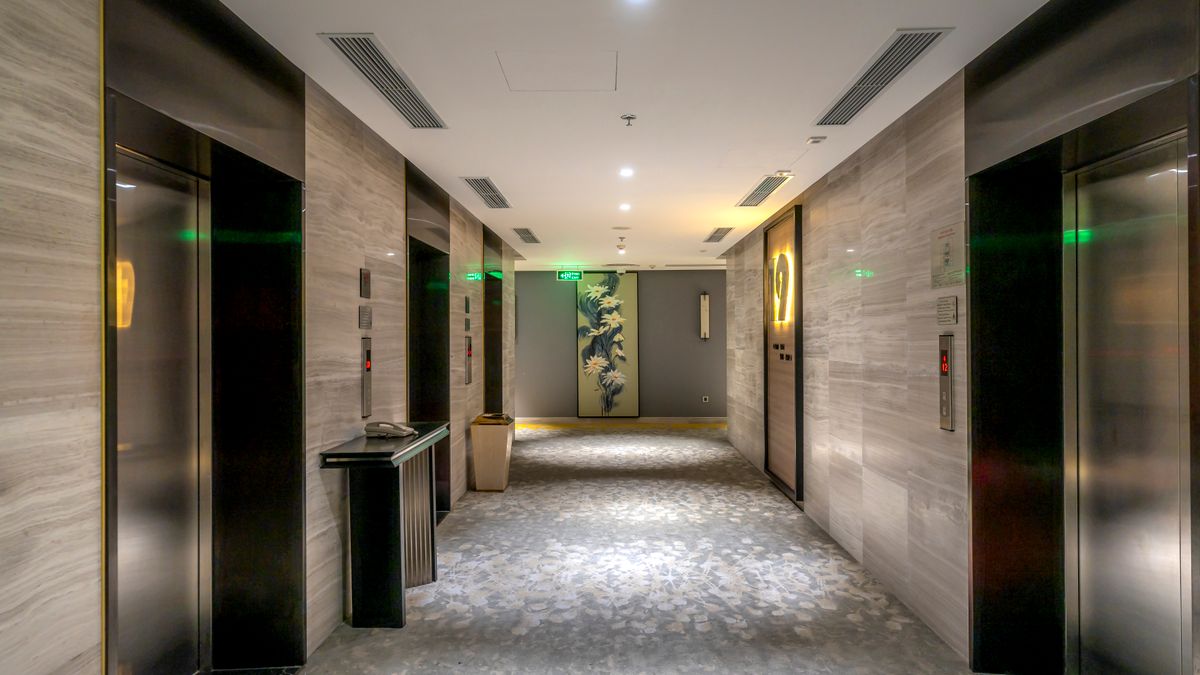
Anything near the elevator or ice machine. This is the single most common noise complaint. Elevators run all night, and the ice machine draws a steady stream of guests with buckets. Rooms flanking the elevator bank carry both. Ask not to be near them.
Low floors on a street side. The lower you are, the closer you sit to traffic, sidewalk conversation, garbage trucks at dawn, and any bar or restaurant at street level. Height buys silence. A few floors up makes a real difference.
Rooms above or near the public spaces. A room over the lobby bar, the nightclub, the pool deck, or the loading dock inherits all of it. The loading dock matters more than people expect, because deliveries often start before 6 a.m.
Connecting rooms. The interior connecting door between two rooms is thin, and you hear your neighbors through it far more clearly than through a normal wall. If the room has a connecting door, you are sharing sound with whoever is on the other side.
The ends of hallways near service areas. Housekeeping closets, vending alcoves, and stairwell doors that slam all collect at hallway ends and corners. The middle of a hallway is usually calmer than the ends.
What to request: the quiet rooms
Now the other side. When you ask for a room, ask for these.
A higher floor, away from the elevator bank. High and central, not high and next to the machinery. A room facing an interior courtyard or the back of the property rather than the main street. A room with no connecting door. And in a big property, a room in a wing away from the bar, pool, and event space.
You will not get every one of these. But a request for a high floor, away from the elevator, on the quiet side of the building covers most of the risk in a single sentence.

How and when to ask
Timing matters more than most people realize. Room assignments are usually not locked until close to your arrival, so a request made at the right moment can actually land.
Put the request in when you book, in the notes or special requests field. Then call the hotel directly a day or two before arrival and repeat it. The front desk has more control over the actual room assignment than the booking system does, and a polite, specific request a day out is far more likely to stick than a note buried in a reservation from weeks ago.
Be specific and easy to honor. Asking for a high floor away from the elevator on the quiet side is a request a front desk can fill. Asking simply for a quiet room is vague and gets ignored. Give them the exact instruction and they are more likely to follow it.
What to do if your room is loud anyway
Sometimes you check in and the room is wrong. The fix is simple and most people are too polite to use it. Go back to the desk and ask to move. Hotels expect this, and as long as the property is not full, they will usually accommodate a calm, specific request. Tell them what was wrong, restate what you want, and ask what else is available.
Do it early. A move at 4 p.m. is easy. A move at midnight, when the only other open rooms are gone, is not. If the room feels off when you walk in, deal with it then, not after the first bad night.
Frequently asked questions
What is the quietest part of a hotel?
A higher floor, in the middle of a hallway away from the elevator and ice machine, facing an interior courtyard or the back of the property rather than the street. Avoid rooms near service areas, the lobby bar, the pool, and connecting doors.
How do I request a quiet hotel room?
Add the request when you book, then call the hotel directly a day or two before arrival and repeat it. Be specific. Ask for a high floor, away from the elevator, on the quiet side of the building. Vague requests for a quiet room tend to get ignored.
Are higher floors quieter in hotels?
Usually yes. Higher floors sit farther from street traffic, sidewalk noise, and ground-level bars and loading docks. The tradeoff is being closer to any rooftop bar or pool, so aim high but away from those.
Can I switch rooms if mine is too loud?
Yes. Go to the front desk, explain what is wrong, and ask to move. Hotels expect this and will usually accommodate it if they have availability. Ask early in the day, when more rooms are open.
Images: Hero (hotel room) and hallway via Pexels. Guest room interior by Stck w via Wikimedia Commons, used under license.