Five Days in Andalusia This Fall, When Spain Finally Cools Down (2026)
Andalusia in summer is a furnace. By October the heat breaks, the crowds leave, and hotel rates drop. A five-day Seville, Cordoba, and Granada itinerary with real stops and costs.
Andalusia in August is a furnace. Seville regularly clears 40 degrees Celsius, which is over 100 Fahrenheit, and the streets empty by noon. Wait two months and the same region turns into one of the best-value trips in Europe.
By October the heat has broken. Daytime temperatures settle around 20 to 25 degrees Celsius, roughly 70 to 77 Fahrenheit, the summer crowds have gone home, and hotel rates drop into shoulder-season territory. Rain is rare in the south, usually just three or four days across the whole month.
Five days is enough to do the three great cities properly. Here is a route through Seville, Cordoba, and Granada that fits the time, keeps the travel short, and leaves room to actually sit in a plaza.
Why fall is the smart time to go
The value gap is real. Summer is peak season across southern Spain, and prices follow the crowds. Once the calendar turns to fall, demand softens and the same hotels list lower. October delivers near-perfect sightseeing weather at a fraction of the July rate.
Seville is the clearest example. Even budget hotels in the city can be found from around 34 dollars a night in the off months, and comfortable mid-range rooms in the old center commonly run 70 to 120 dollars in fall. Those numbers climb sharply in spring and high summer.
The weather does the rest. Mornings are cool enough to walk the old quarters before the sun is high, afternoons are warm without being punishing, and the evenings are made for sitting outside. This is the climate the region is famous for, and fall is when you actually get it.
Days one and two: Seville
Base yourself in or near Barrio Santa Cruz, the old Jewish quarter, a maze of narrow lanes and orange trees that puts you walking distance from almost everything. Hotel Casa 1800 and EME Catedral are well-placed if you want a splurge, and plenty of small guesthouses sit one tier down on price.
Start at the Real Alcazar, the royal palace complex, and book your ticket online before you arrive. The timed entries sell out, and the gardens alone are worth the visit. Next door, the Cathedral and its Giralda tower give you the city from above if you climb the ramp inside.
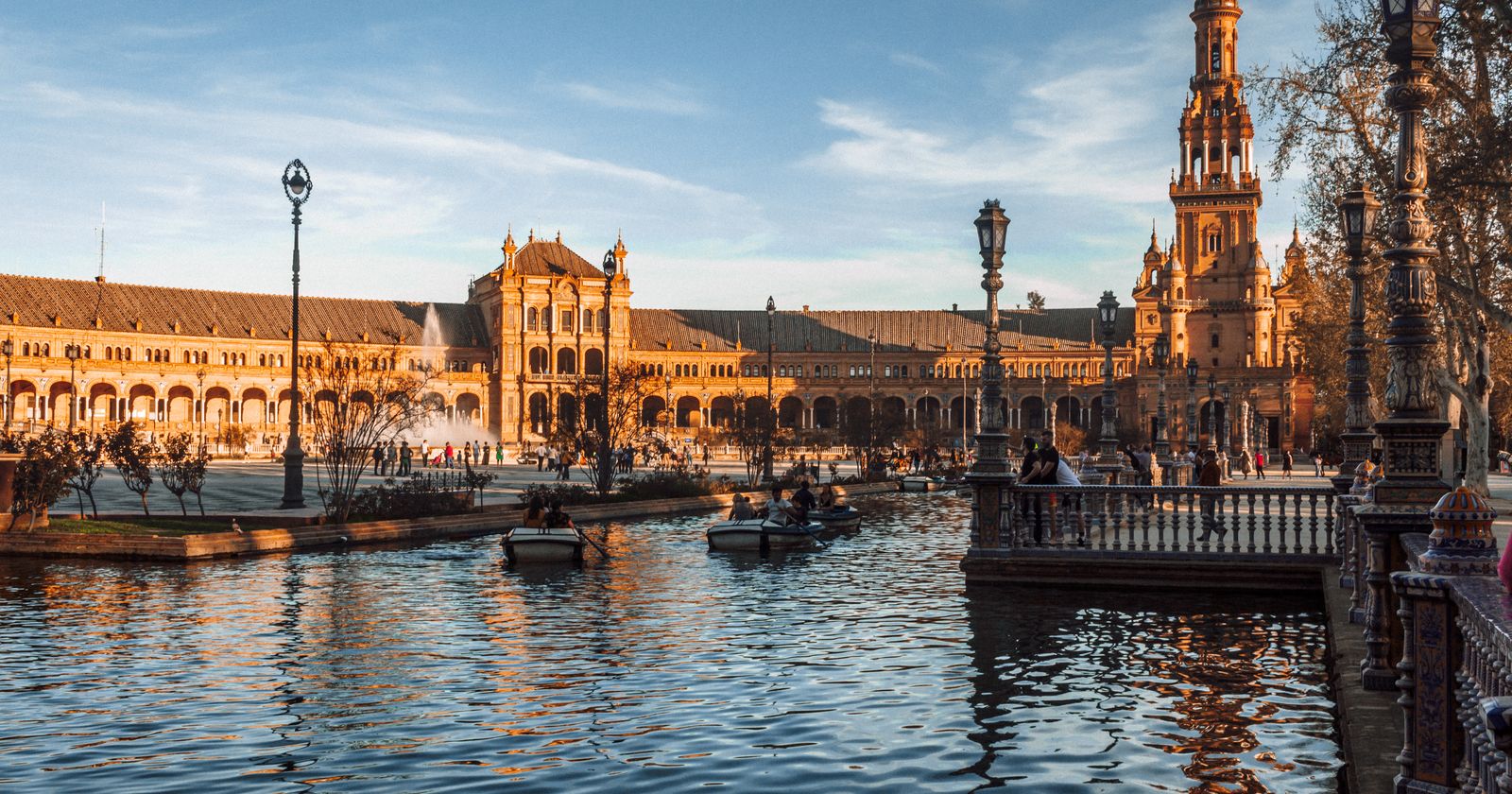
Spend the late afternoon at Plaza de Espana, the half-moon of tiled bridges and arches built for the 1929 exposition. It is free, it is at its best in low golden light, and the fall sun lands there beautifully around an hour before sunset.
Where to eat in Seville
Seville is a tapas city, and the move is to graze across several bars rather than sit for one long meal. El Rinconcillo claims to be the oldest tapas bar in the city, pouring since 1670, and the bill still gets chalked on the wooden counter. Go early or expect a wait.
For something more modern, Eslava near the Alameda district turns out tapas that win national awards without national prices. Bodega Santa Cruz, known locally as Las Columnas, is the cheap and cheerful standby in the old quarter where a plate and a drink barely dents a 10 euro note.
Order the local things. Salmorejo, the thick cold tomato cream, spinach with chickpeas, and whatever fish is fresh. A glass of cold fino sherry is the regional pour and costs almost nothing.
Day three: Cordoba
Cordoba sits about 45 minutes from Seville on the high-speed AVE train, which makes it an easy day trip or a one-night stop on the way to Granada. The trains run often and the station drops you a short walk from the old town.
The reason to come is the Mezquita-Catedral, the great mosque-cathedral with its forest of red and white double arches. There is nothing else quite like it, and an early entry beats both the heat and the tour groups. Around it spreads the Juderia, the old quarter, where the Calleja de las Flores frames the cathedral tower through a tight flower-lined lane.
Eat the local salmorejo where it was perfected, and if the timing is right, look for one of the planted patios the city is known for. Lunch at a spot like Casa Pepe de la Juderia, then catch an afternoon train onward.

Days four and five: Granada
Granada is the finale, and it comes with the single most important booking of the trip. The Alhambra, the hilltop palace and fortress of the Nasrid sultans, caps daily visitors and the timed tickets for the Nasrid Palaces sell out weeks ahead. Book the moment your dates are firm, not when you arrive.
Give the Alhambra a half day at least. The Nasrid Palaces, the Generalife gardens, and the Alcazaba ramparts each deserve time, and the carved stucco and tilework reward slowing down. An early morning slot means softer light and thinner crowds.
Stay up in the Albaicin, the old Moorish quarter of white houses climbing the opposite hill. Walk up to the Mirador San Nicolas for the classic view of the Alhambra against the Sierra Nevada, which is at its best as the sun drops and the palace walls go gold.

Eat and drink like a local in Granada
Granada keeps a tradition the rest of Spain mostly dropped. Order a drink and a free tapa arrives with it, and a couple of rounds can stand in for dinner. Bar Los Diamantes for fried fish and Bodegas Castaneda for the old-tavern feel are easy first stops.
Wander down into the Calle Navas and the streets around Plaza Nueva, ordering one drink per bar and following the free plates. It is the cheapest good night out in Spain, and in fall you can do it outside.
Getting around and what it costs
The high-speed AVE train ties the whole route together. Seville to Cordoba is about 45 minutes, and Cordoba to Granada runs a few hours by direct service. Booking the trains a few weeks out gets the lower fares, the same way it does with hotels.
Budget roughly 70 to 120 dollars a night for a comfortable central hotel in fall, less if you stay in a guesthouse or book early. Meals are gentle on the wallet, with tapas dinners often landing under 20 dollars a person and Granada's free-tapa bars cheaper still.
If you book your hotels through Best, you get 10 percent cashback on each stay. Across five nights in three cities that adds up to real money back on a trip that already prices well in the fall.
Frequently asked questions
Is October a good time to visit Andalusia?
Yes. October is one of the best months for southern Spain. Daytime temperatures sit around 20 to 25 degrees Celsius, the summer heat and crowds are gone, rain is rare, and hotel prices fall into shoulder-season range.
How many days do you need for Seville, Cordoba, and Granada?
Five days covers all three well. Two days in Seville, a day in Cordoba as a stop, and two days in Granada gives each city enough time without rushing, thanks to fast train links between them.
Do I need to book Alhambra tickets in advance?
Yes, and it is the most important booking of the trip. The Alhambra limits daily visitors and the Nasrid Palaces timed entries sell out weeks ahead, especially the early slots. Buy as soon as your dates are set.
How much does a hotel in Seville cost in the fall?
Budget rooms can start around 34 dollars a night, and comfortable mid-range hotels in the old center commonly run 70 to 120 dollars in October, well below spring and summer rates.
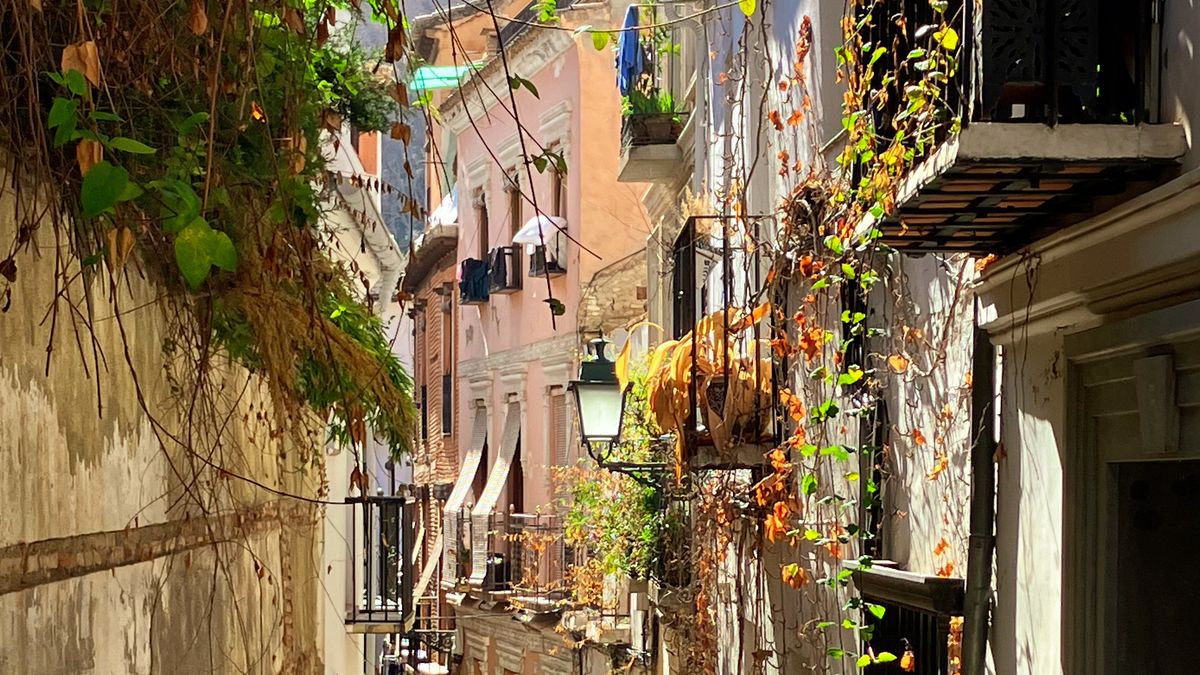
Images: Hero Plaza de Espana in Seville, Granada old-town street, and Spanish tapas via Pexels, used under the Pexels license. The Alhambra in the evening via Wikimedia Commons, used under license.