Free Hotel Breakfast Is Quietly Dying. Here's the Industry Math Behind the Cuts.
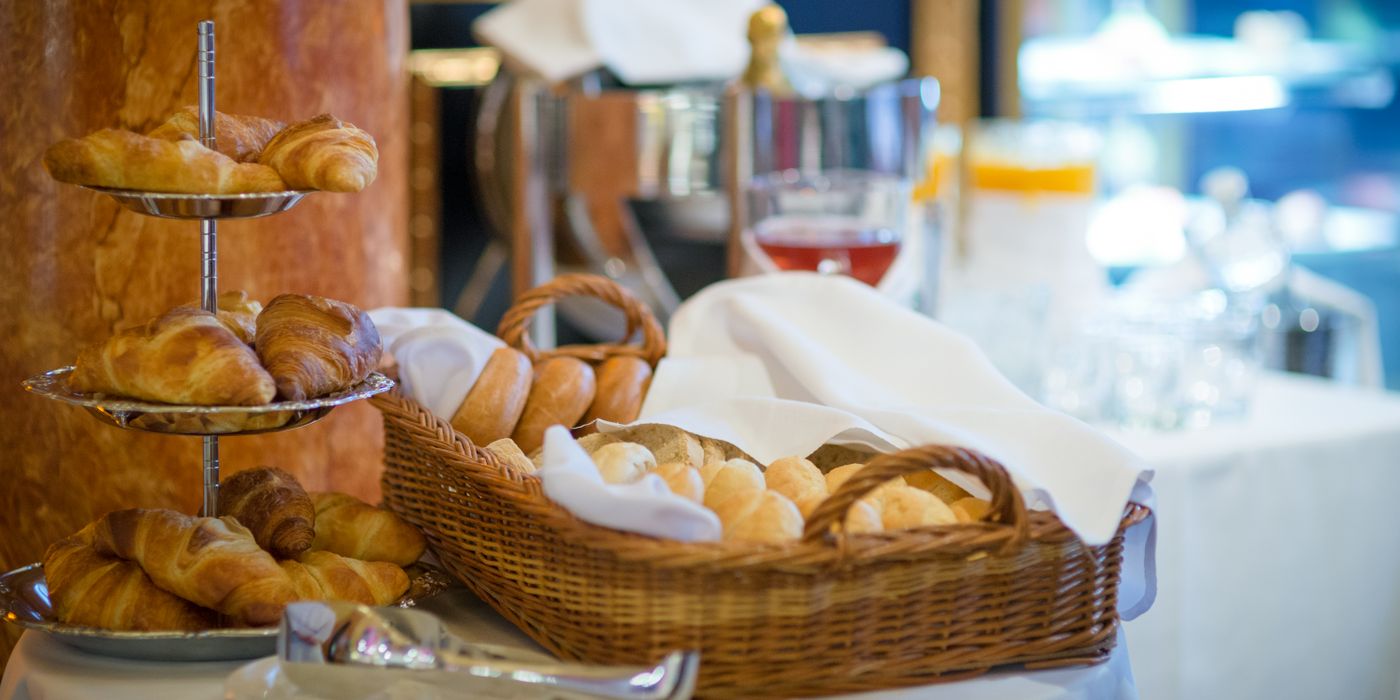
The free hotel breakfast has been a budget traveler's load-bearing wall for two decades. Skip a $20 airport sandwich, eat your fill at the hotel buffet, walk out energized and a little smug. The math worked.
It's no longer working for hotels. And in 2026, the cuts are showing up everywhere.
Hyatt Place pulled free breakfast from 40 properties this year. Holiday Inn, owned by IHG, quietly swapped its full breakfast for a slimmed-down buffet at most of its US locations with à la carte add-ons. Even some Hampton Inns are testing tiered models where the spread depends on your loyalty status. We've been tracking the changes across mid-tier chains and the pattern is consistent. The free breakfast isn't disappearing all at once. It's being unbundled, capped, and quietly priced.
The reason is simple. A free buffet costs the hotel real money, and the economics that made it work in 2015 don't hold up in 2026.
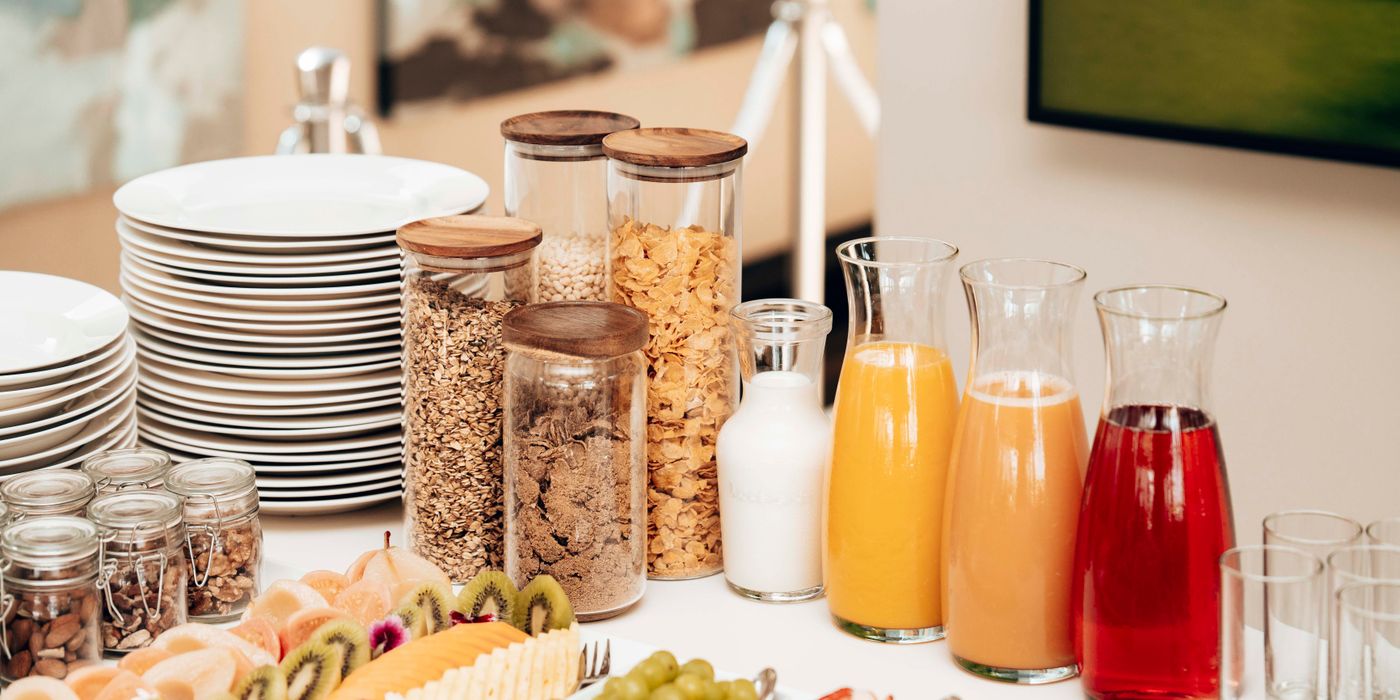
What a hotel actually pays for "free" breakfast
Industry analyses put the cost of a complimentary hotel breakfast at 5 to 7 percent of total revenue once food, labor, and waste are accounted for. That's a meaningful line item. For a mid-scale hotel doing $4 million a year, that's $200,000 to $280,000 sitting on the breakfast counter.
Food inflation in the US has run roughly 22% cumulative since 2020. Eggs alone are up 60% year over year in some markets. Bacon, sausage, baked goods, fruit, coffee. The buffet has gotten dramatically more expensive to stock.
Labor has gotten harder too. The cooks, servers, and runners who keep a 6 to 10 AM service moving smoothly are now paid 20 to 30% more than they were five years ago, and they're harder to hire and harder to keep. Some hotels run the breakfast with one stretched staffer doing the job of three. Quality suffers, complaints stack up, and the hotel ends up paying more for a worse product.
Hyatt Place is the canary
Hyatt Place was the brand that put "free hot breakfast" on the highway billboard. The bacon, the omelet station, the unlimited waffles. It defined the category for road-trip families and business travelers staying three nights in a Cleveland suburb.
Removing the breakfast from 40 properties this year wasn't a quiet test. Hyatt is signaling that the original economics don't pencil out anymore, and that the brand can afford to lose customers who were only there for the eggs. The properties that still offer it are the ones where competitor pressure makes it non-negotiable. Where there's a Hampton Inn, a Comfort Suites, and a Holiday Inn Express within three miles, the breakfast stays.
Holiday Inn took a different approach. Instead of pulling the offering, IHG redesigned it. Fewer hot items. Smaller buffet. À la carte upgrades for the things people actually want like fresh omelets or specialty coffee. The labor goes down, the food waste goes down, and the hotel gets a new revenue line on items that used to be free.

The K-shaped breakfast
What's emerging in 2026 is a split market. The luxury end is moving in one direction. Four and five-star hotels are eliminating bundled breakfast entirely and pushing à la carte room service or hotel-restaurant menus where eggs Benedict is $32 and a flat white is $9. The argument is that affluent travelers don't want a buffet next to a stranger in a tracksuit. They want a real meal at their own pace. The economics work because the markup on a $32 plate of eggs is enormous.
The mid-market is doing the opposite. Brands like Holiday Inn Express, Hampton Inn, Comfort Suites, and Best Western are doubling down on free breakfast because that's literally why people book them. Surveys show 78% of hotel guests eat breakfast on-site when it's included, and roughly half of midscale travelers consider free breakfast a non-negotiable requirement when comparing options.
The squeeze happens in the middle. The Hyatt Place tier, the Courtyard tier, the Holiday Inn (non-Express) tier. These are full-service mid-market hotels where breakfast was a perk but not the brand promise. Those are the properties making the cuts.
What this means when you're booking in 2026
The "includes breakfast" line on a hotel listing means something different than it did three years ago. Worth checking before you book.
The biggest change is that "breakfast included" might mean a continental spread of yogurt, fruit, and pastries rather than the hot breakfast you remember. Some properties have moved to a $10 or $15 credit at the hotel café instead of a buffet. Others have introduced loyalty-tier breakfasts where only Diamond or Platinum members get the full spread.
A few practical patterns we're seeing.
Read the breakfast description, not just the inclusion. "Complimentary breakfast" on Booking.com or Expedia tells you nothing about what's actually served. Check the hotel's own website or recent reviews from the past three months. Travelers complain loudly when breakfast gets downgraded, and the reviews will tell you faster than the listing will.
Check loyalty status thresholds. If you're a frequent traveler with status in a hotel program, the math on breakfast has shifted in your favor. Marriott Platinum, Hilton Gold, and IHG Platinum often get breakfast or breakfast credits where pay-as-you-go guests no longer do. This is becoming a bigger loyalty perk in 2026, not a smaller one.
Don't pay the upgraded breakfast charge unless you're actually going to eat it. The à la carte breakfast at most US hotels runs $18 to $28 per person. A coffee shop within walking distance will feed you for $8 to $12 with better coffee.
If breakfast genuinely matters to you, filter for it specifically. Most booking platforms let you filter by "free breakfast" but the filter doesn't always reflect what's actually offered. Cross-check before you book.
The bigger pattern
Hotels are unbundling. Resort fees, parking, wifi, gym access, late checkout, early checkin. Things that used to be included in the room rate are now line items. Breakfast is the latest unbundling, and it won't be the last.
From a hotel perspective, this is rational. A bundled product is a guess about what the guest values. Unbundle it, charge for the items that get used, and you make more money while seeming flexible. From a guest perspective, it makes shopping for a hotel more annoying because the headline rate tells you less and less about what you'll actually pay.
This is partly why we built Best the way we did. The cashback model works on whatever you pay for the hotel, not on what's bundled in. Whether the hotel charges $145 with breakfast or $135 plus $14 for breakfast, you get 10% cashback on the booked rate. The unbundling shifts where the money lands but not what you get back.
The breakfast question, answered directly
Will free hotel breakfast survive into 2027? Yes, but mostly in the mid-scale brands where it's a brand promise. Hampton Inn, Holiday Inn Express, Best Western, Comfort Suites, and similar tiers will keep offering it because dropping it would hurt them more than the cost saves.
Will Hyatt Place's free breakfast come back? Unlikely. The 40 properties that lost it are unlikely to add it back, and more are expected to follow.
Are luxury hotels going free breakfast? No. The opposite. Four and five-star hotels are moving toward paid breakfast as a profit center, with bundled breakfast only at the highest loyalty tiers or rate plans.
What's the smartest move as a guest? Pick the hotel for the room, not the breakfast. The morning eggs are usually worth less than they look on a website, and the labor to find a good local café for $10 less is small.
FAQ
Are most US hotels still offering free breakfast in 2026? Mid-scale chains like Hampton Inn, Holiday Inn Express, and Best Western are. Full-service mid-market hotels like Hyatt Place, Courtyard, and standard Holiday Inn are cutting back. Luxury hotels are moving toward paid breakfast across the board.
How much does a hotel breakfast actually cost the hotel? Between 5 and 7 percent of total revenue once food and labor are factored in. For a typical mid-scale property, that's $150,000 to $300,000 per year.
If I have hotel loyalty status, do I still get free breakfast? Often yes, and increasingly this is becoming the main way free breakfast survives. Marriott Platinum, Hilton Gold, IHG Platinum, and similar tiers usually still get breakfast or breakfast credits even when the brand has cut it for pay-as-you-go guests.
Is paying for the hotel breakfast worth it? Almost never. The typical hotel à la carte breakfast runs $18 to $28 per person. A local coffee shop or bakery within walking distance will feed you for half that with better quality.
How do I tell what's actually served before I book? Read the hotel's own website rather than the booking platform listing, and check reviews from the past three months. Guests are quick to complain when breakfast gets cut, and reviews are the most current signal.
Booking a hotel in 2026 means reading the fine print more carefully than it used to. If you're booking through Best, you get 10% cashback on the room rate regardless of what's bundled or unbundled. Worth checking when the included perks keep shrinking.
Images: Hero by Pexels (Photo 34307858). Breakfast spread by Pexels. Top-down breakfast by Pexels. Hotel lobby by Pixabay. Images via Pexels and Pixabay, used under license.