How to Get a Free Hotel Room Upgrade in 2026
Room upgrades feel like a lottery. They are not. How hotels actually decide who moves up, and how to end up on the right side of that call for free.

Hotel room upgrades feel like a lottery. They are not. Behind the front desk there is a simple logic to who moves up to the better room, and most of it comes down to timing, a little courtesy, and knowing that the hotel often wants to give you the upgrade more than you think.
We have booked a lot of hotel rooms, and we have talked to the people who staff the desks. Here is how upgrades actually get handed out in 2026, and how to end up on the right side of that decision without paying for it.

Why hotels give away upgrades in the first place
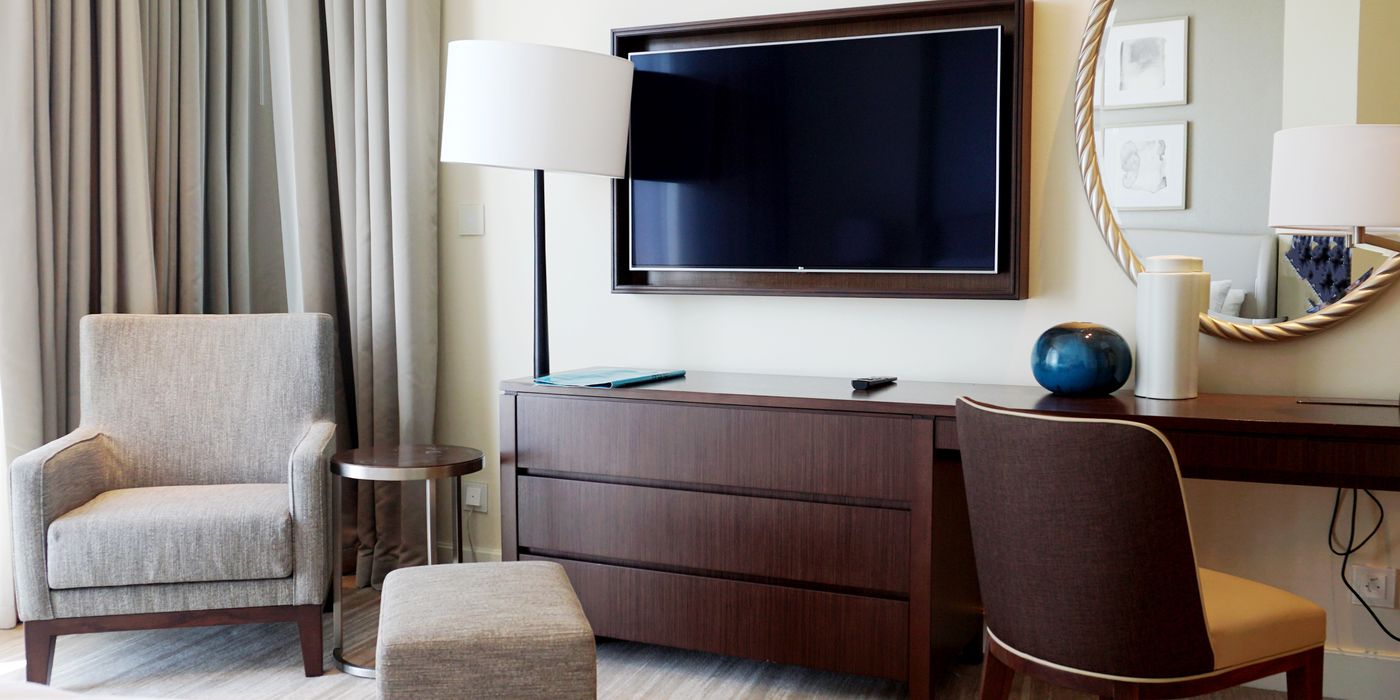
A hotel does not make more money by keeping a nicer room empty. If a suite is going to sit unsold tonight, the revenue on it is zero either way. Moving a friendly guest into that suite costs the hotel almost nothing, and it buys goodwill, better reviews, and a guest who comes back. That is the whole economics of a free upgrade.
So the question is never really whether the hotel can afford to upgrade you. It is whether, on the day you arrive, there is an unsold better room and a reason to give it to you rather than the next person. Everything below is about stacking those odds.
Ask at the front desk, the right way
The single most effective move is also the one most people skip. Ask. Politely, warmly, and at the right moment. Something like, "If you happen to have any complimentary upgrades available tonight, I would love one. If not, no worries at all."
That phrasing does three things. It is friendly, it makes the request easy to say yes to, and it gives the agent an easy out if nothing is available. Front desk staff have discretion over upgrades, and they use it for guests who are pleasant to deal with. Rudeness or entitlement kills your chances instantly. A genuine smile and a low-pressure ask is the whole play.
Treat the agent like a person, not a vending machine. Ask how their shift is going. Small courtesy is rare enough at a check-in desk that it stands out, and the person deciding your room notices.
Timing is most of the game
When you check in matters more than almost anything else. Arrive too early and the hotel does not yet know how the night will shake out, so they hold their better rooms in case a paying customer books them. Arrive very late, after 6 or 7 in the evening, and the picture is clear. The rooms that were going to sell have sold. What is left is inventory the hotel would rather fill than leave empty.
Late check-in on a night that is not sold out is the sweet spot for a free upgrade. If you can time your arrival for the evening rather than the early afternoon, do it.
The night of the week helps too. Business hotels empty out on weekends, so their suites and club rooms go unsold Friday and Saturday. Resort hotels flip the other way and have the most spare premium inventory midweek. Match your stay to the hotel's slow nights and there is simply more to give away.

Who actually gets upgraded
Loyalty status is the biggest lever. Elite members of a hotel chain's program get upgrades written into their benefits, and the desk prioritizes them. If you stay with one chain often enough to reach mid-tier status, upgrades stop being luck and start being routine.
But status is not the only path. Booking directly into a chain's program, even at the free entry level, puts you ahead of an anonymous booking in the upgrade queue. Members get considered first. So does anyone the hotel can identify as a repeat guest or a potential one.
The guest who booked the cheapest rate through an opaque channel, with no loyalty number and no history, sits at the bottom of that list. You do not have to be a road warrior to climb out of that spot. You just have to be a recognizable, pleasant guest with a profile the hotel can see.
The occasions that open doors
Hotels love a reason to be generous, because a happy guest on a special occasion writes the kind of review and comes back the way a random Tuesday guest does not. If you are celebrating a honeymoon, an anniversary, a birthday, or a milestone, say so. Mention it when you book, in the reservation notes, and again warmly at check-in.
Do not invent occasions. Staff hear the fake honeymoon story constantly and it lands flat. But a real celebration, mentioned without demand, gives the agent a reason to reach for the better room. Add it to your reservation in advance and you give them time to plan for it.
What to say, and what to never say
The winning tone is low pressure and genuinely fine with a no. "Any chance of an upgrade tonight" beats "I would like to be upgraded" every time. One is a request the agent can grant as a favor. The other sounds like a demand, and demands at a front desk get the base room.
Never threaten a bad review, never claim a problem that did not happen, and never name-drop that you know the manager. Those moves are transparent and they backfire. The entire system runs on the agent wanting to help you. Give them a reason to want to.

Booking choices that set up an upgrade
Book the lowest room category when you actually want a better one. This sounds backward. It is not. Upgrades move you up from wherever you start, and there is more room to climb from the base category than from a room that is already near the top. Paying for a mid-tier room can leave you with nowhere to be upgraded to.
Book directly into the chain's loyalty program so the hotel can see who you are. Keep your profile complete, with your preferences noted. And use a booking approach that gets you a good rate without stripping away recognition. Booking a 200 dollar room through Best still returns 20 dollars a night in cashback, so you get the value of the discount and keep yourself in a position to be upgraded, rather than trading recognition for a rock-bottom opaque rate.
When to just pay for it
Sometimes the upgrade is worth buying outright. At check-in, hotels often offer a paid upgrade at a fraction of what the better room sells for online, because they would rather get 40 dollars for the suite than nothing. If the desk offers a same-day upgrade for a small amount, it is frequently a better deal than the free approach and worth taking. Ask what a paid upgrade would run even if you are hoping for a free one. The number is often lower than you expect.
If you are booking your next stay, Best gives you 10 percent cashback on the room. Stack that with a well-timed check-in and a friendly ask, and you can end up in a much nicer room than you paid for. Worth trying on your next trip.
Hotel upgrade questions we hear a lot
Do you have to have loyalty status to get a free upgrade?
No, but it helps a lot. Elite members get upgrades as a written benefit. Without status, your best levers are a late check-in on a night that is not sold out, a friendly ask at the desk, and booking directly into the chain's free loyalty program so the hotel can recognize you.
When is the best time to ask for a hotel upgrade?
At check-in, ideally in the evening after most rooms that were going to sell have sold. Ask politely and make it easy to say no. Late arrival on a non-sold-out night is when the most premium rooms sit unsold and available to give away.
Should I book a higher room category to improve my odds?
Usually the opposite. Book the base category so there is room to climb. Upgrades move you up from your starting point, and a room already near the top of the hotel leaves nowhere to go.
Is it better to pay for an upgrade at check-in?
Often, yes. Same-day paid upgrades are frequently offered at a steep discount to the online price, because the hotel would rather earn something on the room than nothing. Always ask the cost even if you are hoping for a free upgrade.
Images: Hero suite via Wikimedia Commons. Reception desk by contributing photographer via Flickr. King room via Wikimedia Commons, used under license.