Why Hotel Prices Change by the Day: Dynamic Pricing, Explained
The same hotel room can cost 140 one day and 172 the next. Here is how dynamic pricing works and how to time your booking around it in 2026.
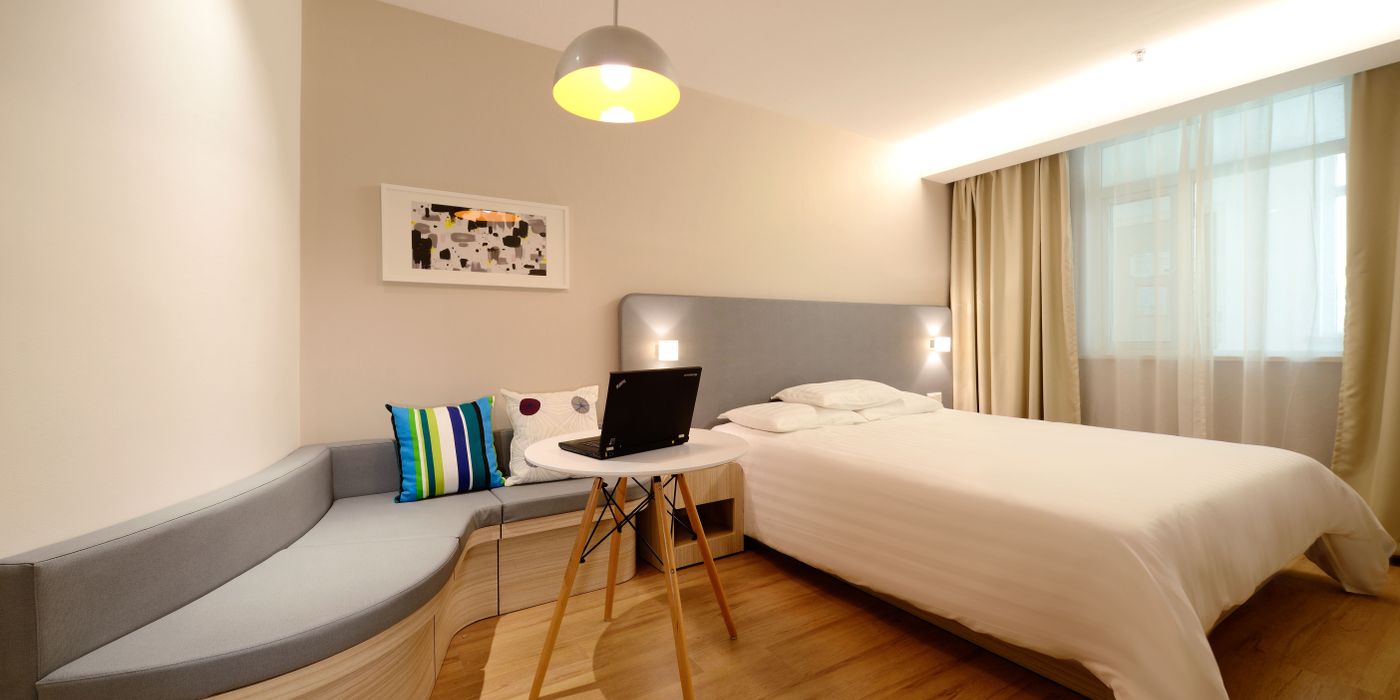
Check a hotel room on Monday and it is 140 dollars. Check the same room, same dates, on Thursday and it is 172. You did not do anything wrong. The hotel changed its mind, and it changes its mind constantly. The room you are looking at might be priced differently by tonight.
This is dynamic pricing, and every serious hotel runs some version of it. The rate is not a fixed number sitting on a shelf. It is an output that software recalculates as conditions move. Once you understand what feeds that software, the price stops feeling random and starts looking predictable enough to work around.
What dynamic pricing actually is
Dynamic pricing means a hotel adjusts its room rates continuously based on real time demand rather than posting one price for the season. Rates can shift day to day, and at busy properties hour to hour. The goal is straightforward. Sell every room for the most someone is willing to pay on that specific night, and drop the price just enough to fill rooms that would otherwise sit empty.
Airlines have done this for decades. Hotels caught up, and now even small independents use revenue management tools that watch the market and nudge the rate up or down automatically. When you see a price jump overnight, that is usually not a human deciding you personally should pay more. It is an algorithm reacting to a change in demand.

The factors that move the number
A handful of inputs do most of the work. Understanding them tells you when to expect a good rate and when to brace for a bad one.
Occupancy. This is the big one. As a hotel fills up, the price of the remaining rooms rises. A property at 60 percent full is hungry for bookings and will price to attract them. The same property at 90 percent full knows the last rooms will sell anyway, so it holds firm or pushes higher.
Day of the week. Business hotels are busiest Monday through Thursday and quiet on weekends, so their rates fall for Friday and Saturday nights. Leisure destinations do the opposite. Beach and resort towns charge a premium on weekends and discount midweek. A city that serves both can be cheapest on a Sunday night, when the business crowd has left and the weekend visitors have gone home.
Events and seasonality. A conference, a festival, a big game, or peak season lifts every rate in the area at once. Hotels know exactly when their city fills up and price months ahead for it. This is why the same room can triple during a marquee weekend.
Length of stay. Some rates are cheaper per night if you stay longer, because a three night booking is more valuable to a hotel than a single night that leaves gaps around it. Occasionally, adding a night can actually lower your total by unlocking a better rate plan.
Competition and weather. Revenue software watches what nearby hotels charge and adjusts to stay competitive. Weather plays in too, especially for leisure spots. A sunny forecast in a beach town can firm up prices, while a grim one can soften them.

How to book around it
You cannot beat the algorithm, but you can time your booking to catch it at a friendly moment.
Book weekday nights at business hotels and weekend nights at leisure hotels, when each is naturally under filled. If your dates are flexible, a Sunday night in a mixed use city is often the sweet spot. Shifting a one night stay by a single day can save real money when it moves you off a peak night.
Watch the booking window. For most destinations, rates are healthiest a few weeks to a couple of months out. Book too early and you may pay before any discounting kicks in. Book too late and you are buying the last few rooms at full occupancy prices. The middle is usually kindest.
Avoid arriving on the busiest night if you can help it. If a festival spikes prices for Saturday, a Sunday to Wednesday stay can cost a fraction of a Friday to Sunday one in the same week. Same hotel, same room, very different total.
And build cashback into the plan, because it works regardless of what the algorithm does. Whatever rate you land, booking through Best returns 10 percent, so a 160 dollar room hands back 16 dollars a night. Dynamic pricing decides the number on the screen. Cashback quietly lowers the number you actually pay, every time.
Does the day you shop matter?
You will see a lot of advice claiming rooms are cheapest if you book on a Tuesday, or exactly 21 days out. Treat those rules with suspicion. Because pricing is driven by each hotel's own occupancy and local demand, there is no magic universal day that works everywhere. The night you stay matters far more than the day you shop. Focus on picking a low demand night for your specific destination, and let the rate come to you.
If you want to combine this with knowing when a whole region is cheaper, our guide to where Europe's hotel value is hiding this fall shows how seasonality stacks on top of these day to day swings.
Common questions about hotel dynamic pricing
Why do hotel prices change so often? Hotels use dynamic pricing software that adjusts rates in real time based on occupancy, day of the week, local events, length of stay, and competitor pricing. The rate is recalculated constantly, so the same room can cost different amounts on different days.
What day of the week are hotels cheapest? It depends on the hotel. Business hotels are cheapest on weekends, leisure hotels are cheapest midweek, and mixed use cities are often cheapest on Sunday nights. The night you stay matters more than the day you book.
Does booking early always get a lower price? No. Very early bookings can happen before any discounting begins, and very late bookings buy the last rooms at high occupancy prices. For most destinations, a few weeks to a couple of months ahead lands the best rate.
Can you avoid dynamic pricing? Not really, since nearly every hotel uses it. What you can control is the night you choose and the cashback you earn. Picking a low demand night and booking through a cashback platform both lower your real cost.
Images: Hero and laptop booking scene by photographers via Pexels, used under the Pexels license. Hotel lobby by Ammodramus via Wikimedia Commons, used under license.



