What a Hotel Hold on Your Card Really Means in 2026 (and How to Avoid Getting Stung)
That mystery charge after check-in is an incidental hold. What it is, how much hotels freeze, and how to keep it from maxing your card mid-trip.
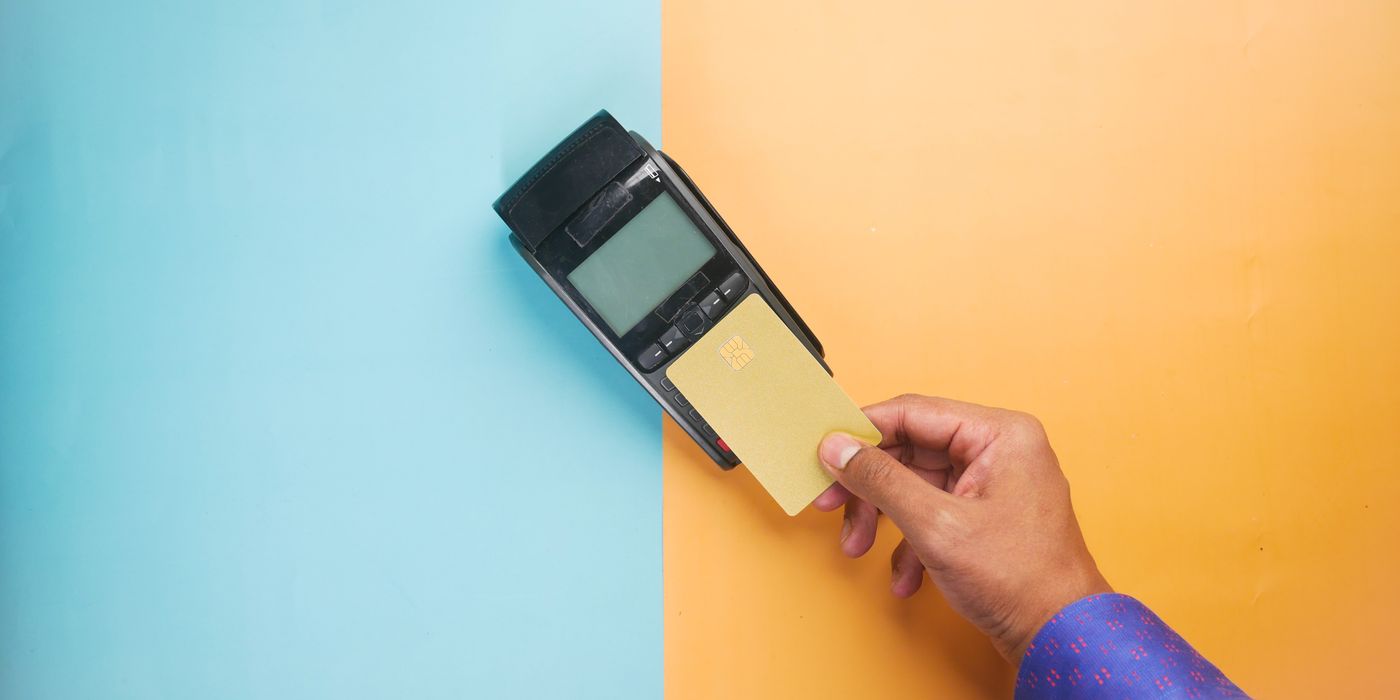
You check in, the person at the desk asks for a card, taps it, and hands you a key. An hour later your banking app pings with a charge you did not make. Maybe 100 dollars. Maybe 300. The room was already paid for, so what is this?
That is an incidental hold, and almost every hotel places one. It is not a scam and it is not usually a real charge. But it catches travelers off guard constantly, and if you do not understand how it works, it can quietly cause a very bad afternoon. Here is what is actually happening to your money.
What an incidental hold really is
An incidental hold is a temporary authorization the hotel puts on your card at check-in. It is the hotel reserving a chunk of your available credit in case you run up charges during your stay. Room service, the minibar, a spa treatment, damage, a late checkout. The hold is their insurance against you leaving without paying for the extras.
The key word is authorization, not charge. The money has not left your account. Your available balance drops by the held amount, but nothing has actually been billed. When you check out and settle up, the hotel releases the hold and charges only what you really used, which for most people is nothing.

How much do hotels actually hold?
It varies by property and by class of hotel. A budget or mid-range hotel in the U.S. typically holds 50 to 100 dollars per night on top of the room rate. A full-service or luxury property can hold 100 to 200 dollars a night, and resorts sometimes go higher to cover their fees and on-site spending.
So a three night stay at a nice hotel might place a hold of 300 to 600 dollars that has nothing to do with your room bill. It sits on your card for the length of the stay and for a while after. On a card with room to spare, you will barely notice. On a card near its limit, that is where trouble starts.
Why it can wreck a trip if you are near your limit
Picture a card with 400 dollars of available credit and a hotel that holds 150 a night for three nights. That is 450 dollars held. Your card is now maxed before you have bought a single dinner. Try to pay for a meal and it declines, even though you have not really spent that money.
This is the trap. The hold eats your available balance in real time. People who travel on a single card with a modest limit, or who are watching a tight balance, can find themselves locked out of their own money mid-trip. The charge is not real, but the hold on your spending power absolutely is.
Debit cards make it worse
If you hand over a debit card, the hold comes straight out of your actual checking balance, not a credit line. That is real cash frozen. You cannot spend it, and depending on your bank, it can take several days to come back after checkout. If you were counting on that money for the rest of the trip, you are stuck.
This is the single biggest reason to use a credit card at hotel check-in rather than a debit card. A hold against a credit line is an inconvenience. A hold against your checking account is your grocery money locked up in another city.

How long before the hold disappears?
Once you check out, the hotel releases the hold, but your bank decides how fast that shows up. On most credit cards, a released hold clears within one to three business days. On debit cards and some banks, it can take five business days or more. The hotel releasing it and your bank posting the release are two separate events, and the gap is where the frustration lives.
If a hold is still sitting on your card a week after checkout, that is worth a call. Ask the hotel for confirmation that the authorization was released, then take that to your bank. Usually it is just a timing lag, not a mistake.
How to keep the hold from biting you
A few habits make this a non-event. Use a credit card, not a debit card, for check-in. Ask at the desk what the hold will be so there are no surprises on your balance. Leave more headroom on your card than you think you need, especially at resorts. And check your statement a few days after checkout to confirm the hold dropped off and you were only charged for what you used.
None of this changes the price of the room. But it does change the price of getting the price right. Book the room through Best and you also get 10 percent back on what you actually pay, which is a nicer surprise than the one on your balance at check-in. Same stay, real cashback, no guessing.
What about hotels that skip or shrink the hold?
Not every stay comes with a big hold. Prepaid, non-refundable rates sometimes carry a smaller one because the room is already paid, though most hotels still authorize something for incidentals like the minibar or damage. Budget and limited-service properties with no room service, no minibar, and no spa often place little or nothing at all, because there is simply nothing on-site for you to run up.
You can also just ask. Tell the desk you do not plan to charge anything to the room and ask whether the hold can be reduced or waived. At big chains the answer is usually no, the system decides. At smaller and independent hotels a real person often can, and will. It costs nothing to ask and can free up a few hundred dollars of your available balance.
One more habit worth building. If you are paying with points, a gift card, or a prepaid voucher, confirm the hold amount before you hand over a card. A free room does not always mean a free hold, and the last thing you want is a surprise authorization eating the spending money you set aside for the trip.
Questions we get about incidental holds
Is an incidental hold a real charge? No. It is a temporary authorization that reduces your available balance but does not bill you. At checkout the hotel releases it and charges only what you actually spent.
How much will a hotel hold on my card? Usually 50 to 100 dollars a night at budget and mid-range hotels, and 100 to 200 a night at upscale properties and resorts, on top of the room rate.
Should I use a debit card at a hotel? Avoid it if you can. Holds on debit cards freeze real cash in your checking account and can take days to release. A credit card holds against a credit line instead.
How long does it take for a hotel hold to be released? Typically one to three business days on a credit card after checkout, and up to five or more on a debit card, depending on your bank.
Images: Hotel reception desk via Wikimedia Commons (CC BY-SA 2.0). Additional images via Pexels.