What Hotel Pet Fees Actually Cost in 2026
Same dog, same room, six times the cost. What pet fees actually run in 2026, why cheap hotels often charge the most, and the six levers that cut them.
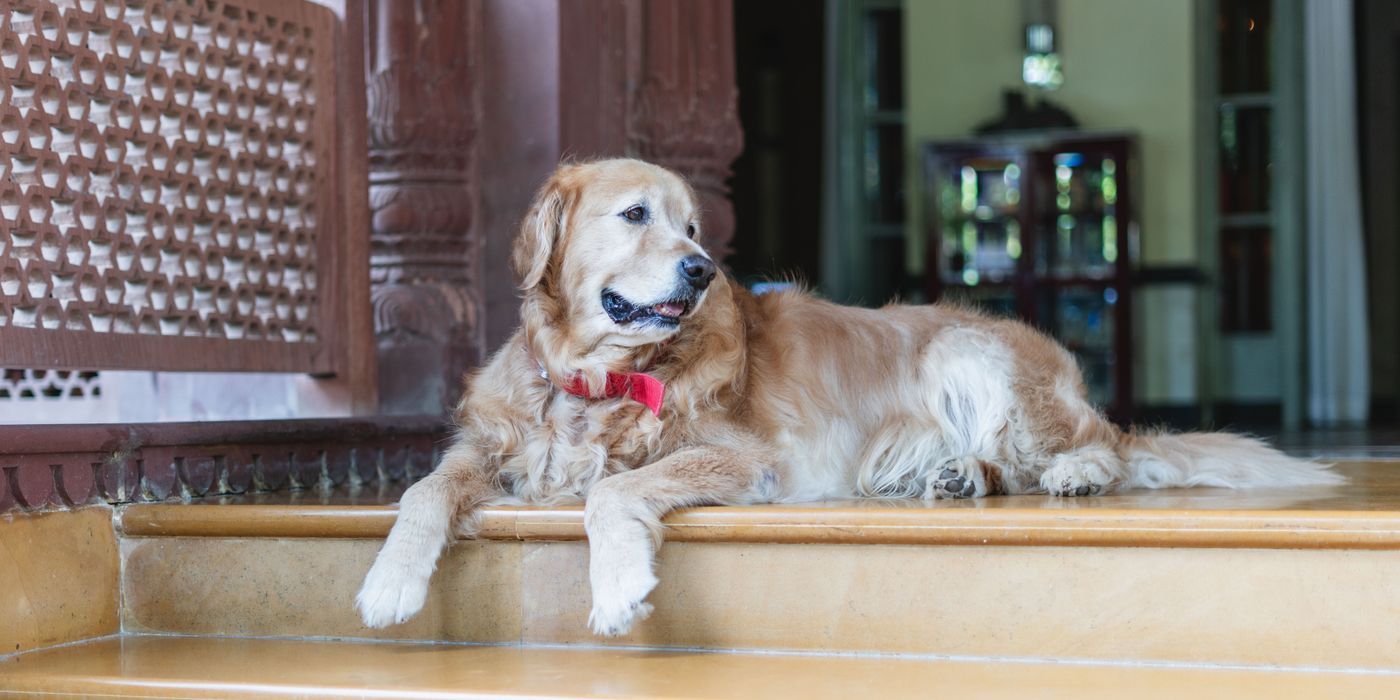
A 2025 survey of 1,000 pet-friendly hotels found that more than 80 percent charge a pet fee, and the spread between the cheapest and the most expensive is absurd. Some properties want a flat 25 dollars for the whole stay. Others want 150 dollars per night. Same dog, same room, six times the cost.
Only about 18 percent of pet-friendly hotels let dogs stay free. The rest have turned pets into an ancillary revenue line, and they price it the way they price everything else, which is to say inconsistently and without much explanation. Here is what the fees actually are, why they vary so much, and what reduces them.

What hotel pet fees cost in 2026
Pet fees at US hotels currently fall into three bands. Knowing which band a property sits in matters more than the brand name on the door.
- Per stay, flat. Typically 50 to 150 dollars regardless of length. Best value on long stays, worst on one-nighters.
- Per night. Typically 25 to 75 dollars, occasionally up to 150 at luxury properties. This is the band that quietly doubles a week-long trip.
- None. About 18 percent of pet-friendly properties. Kimpton, part of IHG, accepts pets of any size, breed, or species at no charge across its portfolio.
The single most expensive mistake is assuming a fee is per stay when it is per night. A 75 dollar pet fee on a six night trip is either 75 dollars or 450 dollars, and the booking page often shows only the number without the interval.
Why cheaper hotels sometimes charge more
This surprises people. A limited-service hotel charging 95 dollars a room will sometimes charge a 100 dollar per night pet fee, while a 400 dollar boutique charges nothing.
The logic is about margin exposure, not luxury. When a room rents for 95 dollars, a single deep clean after a dog costs a meaningful share of that night's revenue. Carpet extraction, dander treatment, and taking the room out of inventory for an extra turn can run 80 to 150 dollars in labor and lost availability. At the 95 dollar property, that wipes out the night. At the 400 dollar property, it is absorbed.
Upscale and boutique brands also use pet policy as a differentiator. Kimpton built a large part of its brand identity on it. That is a marketing budget line, not a cleaning budget line, which is why the math works for them and not for a roadside property clearing 60 percent occupancy.
Weight limits are the hidden filter
Roughly two thirds of pet-friendly US hotels cap dog weight, most commonly at 50 pounds. Some Hyatt Place and Hyatt House properties charge a flat 75 dollar fee with a 50 pound limit. Others cap at 25 or 40 pounds, which rules out most retrievers, shepherds, and anything in the working group.
Weight limits are enforced unevenly, and that unevenness is not something to plan around. Front desk staff who measure a dog at check-in and turn it away leave you with a non-refundable booking and no room. Confirm the limit in writing before you book, not after.
Breed restrictions still exist
Many chains maintain restricted breed lists, usually inherited from their liability insurers rather than written by the hotel. Pit bull type dogs, Rottweilers, Dobermans, German Shepherds, and Akitas appear most often. Independent properties are less likely to have formal lists and more likely to make case-by-case calls.
Service animals are a separate category. Under the ADA, US hotels cannot charge a pet fee for a trained service animal, cannot impose breed or weight limits on one, and cannot require documentation. Emotional support animals do not carry the same protection and can be charged and restricted normally.

Six things that actually reduce what you pay
Most pet fee advice is wishful. These are the levers that move real money.
1. Filter by fee structure, not by pet-friendly
The pet-friendly filter on most booking sites returns properties that allow pets, sorted by nothing useful. Pull up three or four candidates and read the pet policy text on each listing. The interval, per stay or per night, is the number that decides your trip cost. Everything else is noise.
2. Book longer stays at flat-fee properties
A 125 dollar flat fee over five nights is 25 dollars a night. The same trip at a 50 dollar per night property is 250 dollars. On stays of three nights or more, flat-fee properties almost always win, and the gap widens fast.
3. Look at extended-stay brands
Extended-stay properties are built for guests who bring their lives with them, and their pet fees reflect that. Typical structure is 75 to 100 dollars for the first six nights and a smaller add-on beyond that. For a week or longer with a dog, this is usually the cheapest category available.
4. Check whether the fee is refundable
Some properties charge a pet deposit rather than a pet fee. A deposit comes back if the room is clean. A fee does not. The words look similar on a booking page and mean completely different things at checkout. Our guide to how incidental holds work covers how these land on your card.
5. Screenshot the policy at the time you book
Pet policies change without notice, and the version live on the day you arrive is the version the front desk will quote. A screenshot of the policy as it read when you booked is the single most effective thing you can hold when a fee appears that you did not agree to. It also makes disputing the charge straightforward if it comes to that.
6. Count the fee as part of the nightly rate when you compare
A 110 dollar room with no pet fee beats a 89 dollar room with a 45 dollar per night pet fee, and the booking page will never tell you that. Add the pet cost to the room cost before you compare anything. This is the same arithmetic problem as resort fees, and it catches people the same way.
What the fee does not buy you
Worth being clear about. A pet fee almost never includes a bed, bowls, treats, or a walking service, despite the photos on the listing page. Those amenities exist at a small number of upscale properties and are marketed heavily precisely because they are rare.
The fee also does not guarantee a ground floor room, a room near an exit, or a room away from other guests. If those matter, request them at booking and again at check-in. They cost the hotel nothing and are usually granted.
Where this is heading
Pet fees are following the same path resort fees took. The FTC rule on unfair or deceptive fees, which took effect in May 2025, requires that mandatory charges appear in the advertised total price. Pet fees sit in a grey zone because they are conditional rather than mandatory, applying only to guests who bring an animal.
Several state attorneys general have signalled interest in conditional fees during 2026 enforcement activity. Our read is that within two years, booking platforms will be required to surface the pet fee inside the displayed total once you indicate you are travelling with an animal. Until then, the number stays buried in policy text and the burden stays on you.
The Best angle
Cashback applies to the room rate, which is where most of your money goes even on a pet trip. Booking through Best gets you 10 percent back on the room. On a five night stay at 140 dollars, that is 70 dollars returned, which covers most flat-structure pet fees outright.
Common questions
How much is the average hotel pet fee?
Most US hotels charge between 50 dollars per night and 250 dollars per stay. Roughly 80 percent of pet-friendly hotels charge something, and about 18 percent charge nothing at all.
Can a hotel charge a pet fee for a service dog?
No. Under the ADA, US hotels cannot charge a pet fee for a trained service animal, cannot apply breed or weight restrictions to one, and cannot demand documentation. Emotional support animals are not covered by that protection.
Which hotel chains have no pet fee?
Kimpton, part of IHG, accepts pets of any size, breed, or species at no charge across all properties. A number of independent hotels and some Motel 6 locations also waive fees. The list changes, so confirm the policy on the specific property before booking.
Is a pet fee refundable?
A pet fee is not refundable. A pet deposit is, assuming the room passes inspection. Read which word the property uses, because they appear in the same place on a booking page and cost you very different amounts.
Do hotels enforce dog weight limits?
Enforcement varies by property and by front desk staff, but it does happen, and being turned away at check-in with a non-refundable booking is an expensive way to find out. Confirm the limit in writing before you book.
Images: Hero and hotel room via Pexels. Road trip image via Pixabay. All used under license.