Hotel Prices Dropped Nearly 25% Abroad This Summer. Americans Are Booking Domestic Anyway.
Average hotel rates in popular international destinations fell close to 25 percent this summer while US rates climbed. The data, the reasons, and how to take the other side of the trade.
Something unusual is happening in summer 2026 hotel pricing. Average rates in some of the most popular international vacation destinations have fallen by nearly 25 percent compared to last summer, according to Expedia's Unpack '26 summer travel report. At the same time, American travelers are booking more domestic trips, not fewer.
The result is a pricing gap that rewards anyone willing to swim against the current. We have been digging through the data, and the short version is this. The deals went abroad this summer, and most travelers stayed home.
What the Data Actually Says
Expedia's summer 2026 report found two things moving in opposite directions. Interest in popular international beach and city destinations climbed more than 35 percent year over year on average. Average daily hotel rates in many of those same destinations dropped close to 25 percent. Demand attention rose, prices fell anyway.
That is not how it usually works. Normally interest and price move together. When they split like this, it points to supply. Many of these markets added significant hotel inventory over the past two years, and new rooms need filling. Hotels cut rates to do it.
Domestic US hotels are running the opposite direction. Industry forecasts revised in early June 2026 point to solid revenue-per-room growth in US hotels this year. Amex GBT's Hotel Monitor projects New York rates up about 4 percent, Toronto up 5.8 percent, and Miami up 3 percent in 2026. Staying home is not the budget move it sounds like.

Where the Drops Are Concentrated
The rate declines cluster in three kinds of places.
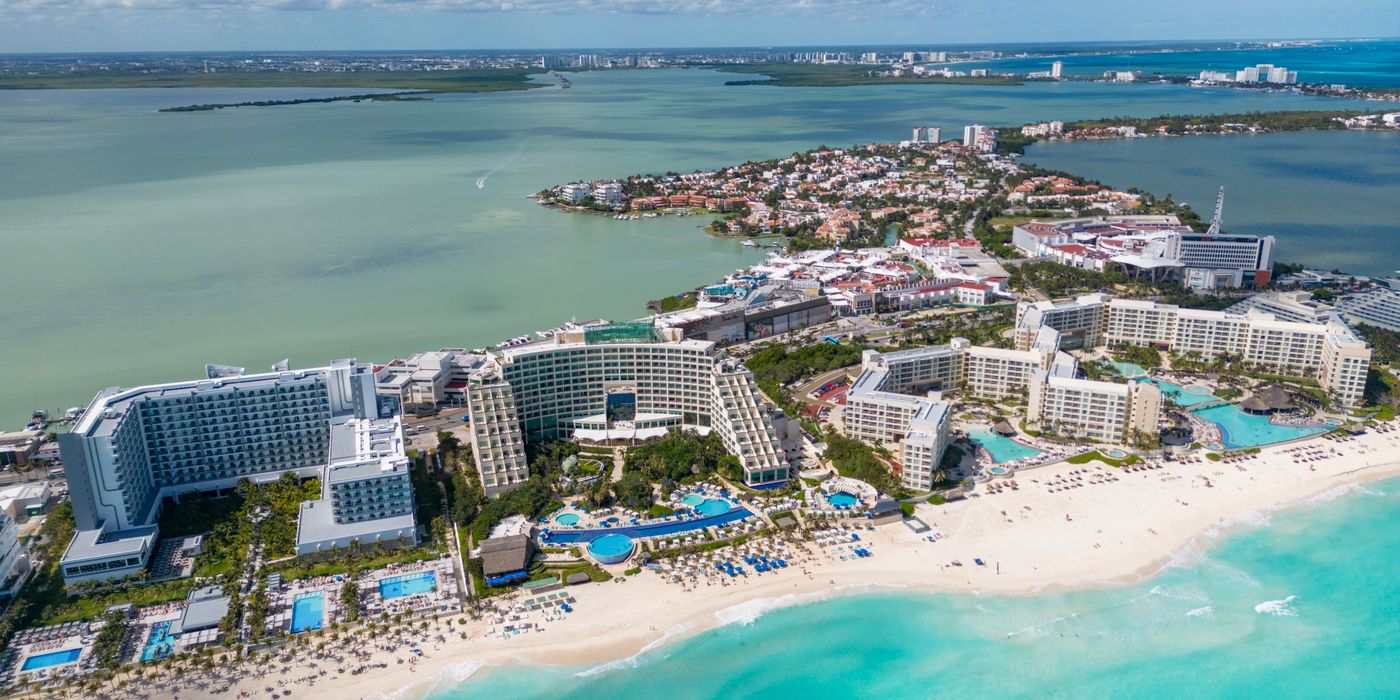
Beach markets that overbuilt. Parts of coastal Mexico and the Caribbean added rooms faster than demand grew. Cancun alone has thousands of new keys that opened since 2024. When a market adds supply like that, August rates stop being sacred.
Asian cities riding weak currencies. Tokyo, Seoul, and Bangkok remain dramatically cheaper in dollar terms than they were five years ago. A four-star room in central Tokyo that priced at the equivalent of 280 dollars in 2019 frequently books under 200 dollars in summer 2026.
European secondary cities. The headline destinations keep raising prices, and adding tourist fees on top. But the second-tier cities one train stop away are competing hard for the overflow. The pattern we described in our piece on the K-shaped hotel economy applies across borders too. Luxury holds price. The middle negotiates.
Why Americans Are Staying Home Anyway
Expedia's report calls 2026 the summer of the measured trip. Travelers are price-aware, booking shorter trips, and favoring driving distance over long-haul flights. Some of that is economic caution. Some is the simple friction of international travel, passports, time zones, and longer planning windows.
Caution is understandable. But the math this summer punishes it. When domestic rates rise 3 to 5 percent and international rates fall 25 percent in the places you actually wanted to go, the premium for staying close to home is real money.
The Currency Math Doing the Quiet Work
Exchange rates are amplifying the rate cuts in several regions. The yen has spent most of 2026 near multi-decade lows against the dollar, which means a Tokyo hotel that never changed its published rate still costs an American traveler 25 to 30 percent less than it did in 2019. Thailand and South Korea show a softer version of the same effect.
This matters because currency discounts and rate discounts stack. A hotel that cut its local-currency rate 10 percent in a market where the dollar gained 15 percent is selling the same room to American travelers at a quarter off, and neither discount shows up as a sale banner anywhere. You only see it when you price the trip end to end.
The reverse also applies. Travelers comparing a domestic beach week against a Mexican or Caribbean one should remember that dollar-priced markets carry no currency cushion. There the entire saving has to come from the room rate, which is why the oversupplied markets matter most in this hemisphere.
A worked example makes it concrete. A seven-night October trip for two to Tokyo, with a four-star hotel at 185 dollars a night, prices out around 2,600 dollars including mid-range meals, before flights. The same week in a comparable US city with rates up 4 percent lands within a few hundred dollars of that figure once restaurant prices are counted. The long-haul trip stopped being the expensive option. That is the single most useful fact about travel pricing in summer 2026.
How to Play It
A few practical rules if you want to take the other side of this trade.
Price the trip you assumed you could not afford. The destinations people mentally file under expensive, Tokyo especially, are where the dollar goes furthest right now. Check the actual number before ruling it out.
Book flexible, then watch. In falling markets, free-cancellation rates are worth more than usual. Book a refundable rate now, check the price two weeks before travel, and rebook if it dropped. Our last-minute booking playbook covers exactly how to run this without risk.
Use the weekday calendar. Rate softness compounds with day-of-week effects. Sunday remains the cheapest hotel night of the week, and in a down market a Sunday-to-Thursday international stay can price 35 to 40 percent below the same room in peak pattern last year.
Watch total cost, not just the room rate. A cheap room in a market with new tourist taxes and fees can close the gap fast. Read the checkout screen line by line.
What It Means for Fall
Supply gluts do not resolve in one season. If the new inventory in these markets keeps occupancy soft through summer, expect the discounting to extend into the shoulder months, which were already the smart time to travel. September in a falling market may end up the best value window of the year. We track hotel pricing data at Best, and we will publish an update when the fall numbers firm up.
FAQ
Are international hotels cheaper than US hotels in 2026? In many popular destinations, yes. Average daily rates in several major international vacation markets are down close to 25 percent year over year in summer 2026, while US rates are rising 3 to 5 percent in major cities.
Why are hotel prices falling in some international destinations? Mostly new supply. Markets like Cancun, plus weak local currencies in Japan and Southeast Asia, mean more rooms competing for travelers and lower prices in dollar terms.
Is summer 2026 a good time to book international travel? For hotel costs, it is one of the better summers in recent years. Falling average rates and a strong dollar in several regions mean the same trip costs meaningfully less than it did in 2024 or 2025.
Images: Hero by Israel Torres. Beach sunset by Kinley Lindsey. Both via Pexels. Tokyo skyline by Luke Ma via Wikimedia Commons (CC BY 2.0).