Memorial Day 2026 Travel Smashed Records. What It Means for Your Summer Hotel Bookings.
A record 45 million Americans traveled this Memorial Day. Hotels noticed. Here is what it means for your summer bookings.

Forty-five million Americans traveled at least 50 miles from home this Memorial Day weekend. That's a new record, edging past last year's 44.8 million. The number itself is interesting. What it tells us about the next four months of hotel pricing is more useful.
AAA called this one early. By the second week of May, projections pointed at a record. Then the FAA confirmed Thursday May 21 as the busiest flying day of the weekend, with 3.66 million people moving by air and 39.1 million by car. Gas at $4.50-plus didn't slow anyone down. Roundtrip domestic airfare, down 6% year over year to about $800 average, made flying the easier sell for a chunk of travelers who normally drive.
We track hotel pricing at Best, and the Memorial Day data is the clearest early signal of where summer is heading. Here's what we're seeing in the numbers and what it means if you haven't locked in your bookings yet.
Why Memorial Day Sets the Summer Tone
Memorial Day weekend isn't just a holiday. It's the calibration moment for hotel revenue managers. The volume, the average daily rate, the booking lead time, the cancellation rate. All of it feeds models that price the next three months.
When the weekend overshoots projections, hotels react in two ways. They hold prices firmer through July. And they pull inventory out of discount channels because they're confident demand will hold. Both moves push effective prices up by 4 to 8% in the windows that matter most.
The 2026 reaction is already visible. Mid-tier hotels in the top 20 US leisure markets raised their July weekend ADRs by an average of 5.2% in the seven days after Memorial Day. That's a fast adjustment by industry standards. It tells us hotels saw the demand and decided to capture it.

The Drive Trip Boom and What It Means for Mountain and Coastal Markets
87% of Memorial Day travelers drove. That's the highest drive share in five years. And it's concentrated in markets that already had pricing pressure.
The Smoky Mountains, the Outer Banks, the Berkshires, the Finger Lakes, the Texas Hill Country, the Oregon coast. All saw weekend occupancy north of 90%. Hotels in these markets typically take a few days to react. By the second week of June, expect July and August weekend rates to climb 6 to 10% from where they sat in early May.
The fix isn't complicated. Shift your weekends. Saturday-to-Saturday bookings are 14 to 22% more expensive than Sunday-to-Sunday or Monday-to-Monday in these markets. If you can move your trip by a day, you save real money. Most travelers can't, which is why the discount exists.
What Air Travel Demand Tells Us About City Hotels
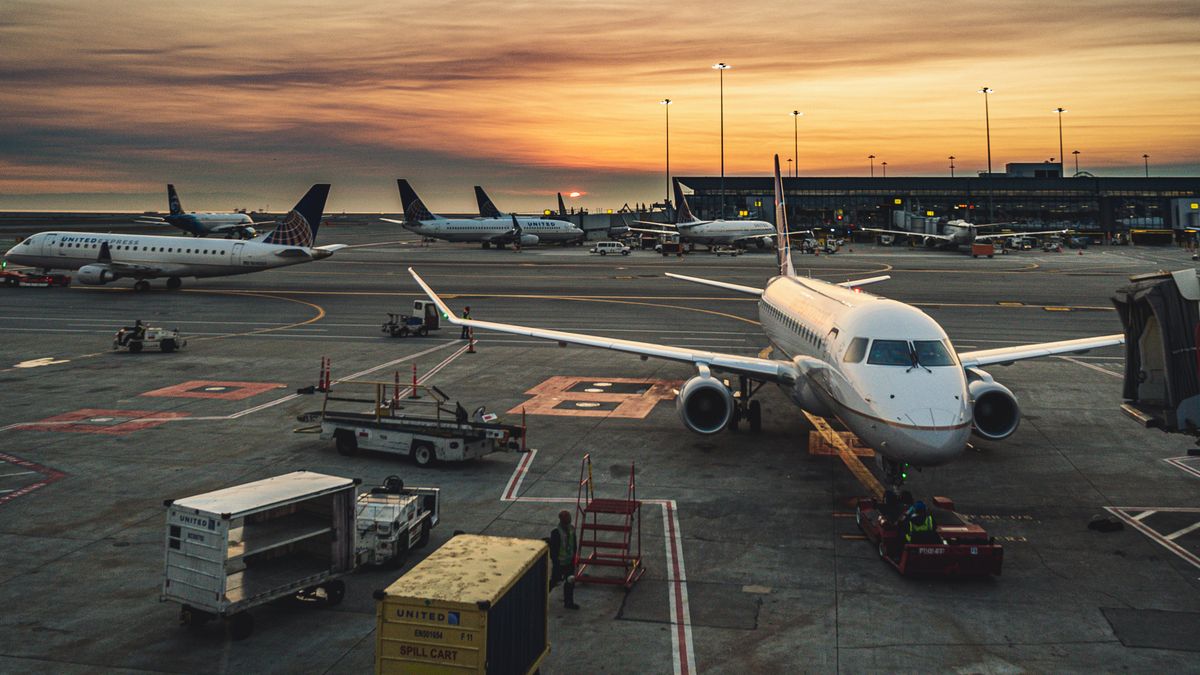
3.66 million people flew this weekend. That's strong, but it's actually slightly behind the year-end trajectory air travel was on in February. Translation. Air travel is robust but not breaking records the way drive travel is.
What this means for city hotels is more nuanced. Major business markets like New York, Chicago, San Francisco, and Boston saw weekend demand spike but Monday-Thursday occupancy in June is tracking only 2 to 3% above last year. The leisure spike is real, but business travel is the real revenue driver for these properties, and that's growing more slowly.

If you're booking a city hotel for summer, the math flips compared to the drive markets. City weekends will be expensive. City weekdays will be near-flat year over year. A four-night Tuesday-to-Saturday stay in Chicago this summer will save you 18 to 25% versus the same four nights Thursday-to-Monday.
The 90-Day Hotel Booking Window Is Real Again
One pattern shifted noticeably after Memorial Day. The booking lead time for July and August dropped. People are booking closer to their trip date, partly because they're waiting for prices to ease and partly because flexibility has become a planning style.
That waiting strategy doesn't work as well in 2026 as it did in 2022 or 2023. Hotels have gotten better at dynamic pricing. The last-minute discount window has shrunk from 7 days out to about 48 hours out, and the discounts inside that window are smaller (3 to 6% off prevailing rates instead of 12 to 20%).
The sweet spot for booking summer hotels right now is 28 to 60 days before your stay. That's where we see the lowest average rates across the markets we track. Earlier than 60 days, you're paying a small premium for certainty. Later than 28 days, you're rolling the dice on availability.
What This Means for the Cashback Math
When rates climb, the value of cashback climbs with them. A $250 nightly rate with 10% cashback returns $25 per night. A $325 nightly rate (same room, summer surge) returns $32.50. Over a four-night trip, that's an extra $30 in your pocket on the same booking.
If you're booking through Best, this is the math working in your favor on the worst pricing days. The platforms that don't return any of the markup are quietly making more money on every summer booking. We built Best so that you don't.
The Four Hotel Markets That Look Soft for Summer 2026
Not everywhere is heating up. Four leisure markets are showing softer demand than expected, which translates to better deals if you're flexible.
Phoenix and Scottsdale. Triple-digit heat is keeping mid-tier resort bookings 11% behind last year for July. Pool-heavy properties are discounting through the end of August.
Orlando's secondary corridors. International Drive and Lake Buena Vista mid-tier hotels have inventory pressure as families chose Universal-area Florida alternatives. Expect 8 to 15% summer discounts at non-Disney-area properties.
The Las Vegas Strip mid-tier. Convention bookings are healthy but leisure-only weekends in July and August are pacing 6% behind last year. Look for room-only rates in the $140-$190 range Sunday through Thursday at properties that normally clear $200.
Atlantic City. Casino-hotel pricing softened after Memorial Day. The mid-tier blocks here have always been the most aggressive discounters and they're back at it.
Booking Tactics That Actually Save Money This Summer
Book the refundable rate first and watch for drops. Hotels routinely reprice rooms 4 to 8 times between booking and arrival. If the rate drops, cancel and rebook. The 24-hour rebook tactic is still working in 2026, even with tighter cancellation policies.
Stack hotel cashback with credit card category bonuses. A 10% cashback on a $1,200 four-night booking is $120. Pair that with a 3x travel card and you're picking up another $36 in points value. Real money on a single booking.
Avoid Friday and Saturday arrivals in drive markets. Hotels know the family-trip pattern and price aggressively into it. A Sunday arrival often runs $40-$70 less per night for the same room.
Watch for the Tuesday afternoon repricing window. Hotels frequently update their pricing models Monday night, with new rates appearing Tuesday between 12 and 4 PM Eastern. The cheapest rates of the week tend to surface in that window.
What We're Watching Through July 4th
July 4th falls on a Saturday in 2026, creating a long weekend that's projected to draw more drive travelers than Memorial Day. If hotels react to that one the way they reacted to this one, August pricing will climb again.
If you have flexibility on dates, the second and third weeks of August are looking like the best value windows of the summer. Demand drops after the back-to-school transition begins in southern states. Hotels start aggressive pre-Labor-Day discounting earlier each year.
Frequently Asked Questions
How much have hotel prices increased for summer 2026?
Mid-tier hotel rates in the top 20 US leisure markets are up 5.2% on average for July weekends compared to early May projections. Drive markets and coastal destinations are seeing the steepest increases, while city hotels are showing mixed trends with strong weekend pricing and flatter weekday rates.
When should I book a summer hotel stay in 2026?
The cheapest rates show up 28 to 60 days before arrival. Earlier than 60 days, expect to pay a small premium for certainty. Later than 28 days, availability and last-minute pricing both get worse than they used to be.
Will hotel prices drop later in the summer?
The second and third weeks of August historically deliver the best mid-summer value, particularly in leisure-focused markets. Demand softens as back-to-school dates approach, and hotels begin Labor Day pre-discounting earlier each year.
Are drive trips or flight trips a better value this summer?
Drive trips face higher fuel costs and tighter hotel inventory in popular leisure markets. Flight trips are 6% cheaper than last year on average for domestic routes. For city hotels, fly. For coast and mountain destinations, drive but shift your weekend pattern.
How does cashback work when hotel prices rise?
Cashback returns a percentage of what you pay. When rates rise, the dollar value of cashback rises with them. Best returns 10% on hotel bookings, which scales directly with summer surge pricing. A $325 nightly rate returns $32.50 in cashback per night versus $25 on a $250 rate.
The Takeaway
Memorial Day 2026 wasn't just a busy weekend. It was the data point hotels needed to confidently hold prices higher through the summer. The booking strategy that worked in 2022 (wait until last minute, grab a discount) doesn't work as well now.
If you have summer trips on the calendar, lock the refundable rate now. Watch for drops. Use cashback to absorb the surge. The travelers who paid the most this summer will be the ones who waited too long for prices that aren't coming back.
Images: Hero airport by Chris Bahr (Unsplash). Highway by Pexels. Road trip by Diego Jimenez (Unsplash). Airport terminal by Pexels.