Airlines Just Added a Wave of New Routes. Watch What It Does to Hotel Prices
TAP, Batik, Solomon Airlines and six US carriers all added routes this month. New nonstops are the earliest reliable signal that hotel rates are about to move.

July has been a heavy month for route announcements. TAP opened a nonstop between Lisbon and Athens on the first of the month. Batik Air put an A330 on Kuala Lumpur to Sydney. Solomon Airlines flew its first Christchurch to Port Vila service. Breeze, Delta, American, Alaska, Frontier and JetBlue all added domestic routes in the same two weeks.
Most travel coverage treats route news as an airline story. It is more useful as a hotel story. A new nonstop is the single most reliable early warning that hotel prices in a destination are about to move, usually months before anyone notices at checkout.
The short answer
A new nonstop route typically pushes hotel rates at the destination up 8 to 15 percent within the first full year of service, with the sharpest increases in cities that had no direct link to that market before. The window to book ahead of the increase is roughly the three to six months between the route announcement and the first flight.
Why a flight changes a hotel rate
Hotel pricing responds to one input above all others. How many people can physically get to the city on a given night.
A daily widebody adds roughly 250 to 300 seats each way. Assume 80 percent load factor and two nights average stay, and a single daily route puts something like 140,000 additional room nights a year into a market. In a city with tight hotel supply, that is enough to move the whole rate curve. In a city with plenty of hotels, it barely registers.
The size of the effect comes down to what the route replaces. A new nonstop on a city pair that already had one-stop options adds convenience, and convenience adds demand at the margin. A nonstop to a city that previously required two connections changes the destination's whole addressable market, and those are the routes that reprice hotels hard.
Solomon Airlines flying Christchurch to Port Vila is the second kind. Vanuatu was previously a full day of travel from the South Island. It is now a single flight. Port Vila has a small hotel inventory and no easy way to add more, which is the exact combination that produces double-digit rate growth.
What the July announcements point to
Athens. TAP's five-times-weekly Lisbon service is not enormous on its own, but it lands on a city that has been adding routes steadily for three years while its hotel inventory grows slowly. Athens rates have been climbing through every shoulder month. This adds to it. If Athens is on your 2027 list, the cheap window is the next two quarters, not next spring.
Sydney. Batik's Kuala Lumpur A330 is a competition story rather than a capacity story. Sydney has enormous hotel supply, so the effect on rates will be close to nothing. What it does change is the price of getting there from Southeast Asia, which is the larger line item on that trip anyway.
Port Vila. Small market, thin inventory, new direct access. This is the one where we would expect the biggest percentage move in nightly rates over the next twelve months.
US domestic. The Breeze, Frontier and JetBlue additions mostly connect secondary cities. These rarely move hotel rates much, because US secondary markets have surplus hotel rooms almost everywhere. They do move flight prices on the affected pairs, often sharply downward on the first competitive route into a previously monopoly market.

The other number from this month
Cathay Pacific cut fuel surcharges by a further 17 percent for tickets booked from July 16. That is the third reduction since March.
Fuel surcharges are worth watching because they are one of the few airfare components that move independently of demand. They track fuel costs and carrier policy, not how badly people want to go somewhere. Three consecutive cuts in five months is a fairly clear signal that the input costs behind long-haul Asia fares are falling.
For anyone using points, this matters more than it does for cash bookings. Surcharges are the part of an award ticket you still pay in money, and on some long-haul redemptions they have historically run into the hundreds of dollars. A 17 percent cut on top of two earlier cuts changes the arithmetic on redemptions that were marginal in March.
How to actually use route news
Watch announcements, not launches. Airlines announce routes three to twelve months before the first flight. Hotels reprice on booking pace, and booking pace picks up once the route is bookable. The gap between announcement and pace shift is your window.
Check hotel supply before assuming a price rise. New route into a city with a lot of hotels means cheaper flights and flat rooms, which is good news. New route into a city with few hotels means the flight got easier and the room got more expensive. Islands and small historic centers are the markets to move fast on.
Look at what is opening, not just what is flying. Barcelona picked up a 162-room MEININGER property at Fira Gran Via in late June. New supply pushes the other way, and in cities adding rooms as fast as they add seats, rates hold steady. It is the imbalance that moves prices, in either direction.
Book the flight and the hotel on different clocks. Airfare on a new route is often cheapest at launch, when the carrier is buying market share. Hotel rates at the destination are cheapest before the route matures. Those two windows overlap early, which is why the first season of a new route is usually the best value it will ever offer.
The general rule
Cheap flights and cheap hotels are not independent, and they usually do not last together for long. When a place gets easier to reach, more people reach it, and the rooms respond before the restaurants and the crowds do.
If a route announcement made a trip suddenly feel plausible, that instinct is the signal. Book the room while the route is still news. And if you are booking through Best (best.so), the 10 percent cashback applies regardless of what the route map does next.
How to read a route announcement
Not all route news carries the same weight, and the details that matter are usually in the first paragraph of the press release.
Frequency beats aircraft size. A daily narrowbody moves more annual capacity than a twice-weekly widebody, and daily service is what makes a destination viable for short trips. Five-times-weekly, like TAP's Lisbon to Athens, sits in between and signals the carrier expects to go daily if it works.
Seasonal or year-round. A summer-only route concentrates its capacity into the months that were already expensive and does very little to the rest of the calendar. Year-round service is what reprices a destination properly.
Whether anyone else flies it. A second carrier on an existing pair drops fares and leaves hotels roughly alone. A first carrier on a new pair does the opposite, because it creates demand that did not previously exist.
Run those three filters and most route announcements sort themselves into news you can act on and news you can ignore.
Common questions
Do new airline routes make hotels more expensive? Usually yes in markets with limited hotel supply, by roughly 8 to 15 percent in the first year. In cities with abundant hotel rooms the effect is close to zero.
When is the cheapest time to visit a destination that just got a new nonstop? The first season of service, before booking pace at destination hotels adjusts. Airlines discount launch fares while hotel rates are still set on old demand assumptions.
What are fuel surcharges and why do they matter? They are a fuel-linked component of the ticket price, charged separately from the base fare. They matter most on award tickets, where you pay them in cash even when the seat itself costs points.
Which July 2026 route will change hotel prices most? Christchurch to Port Vila. Small market, very limited hotel inventory, and a large reduction in travel time from a new source market.
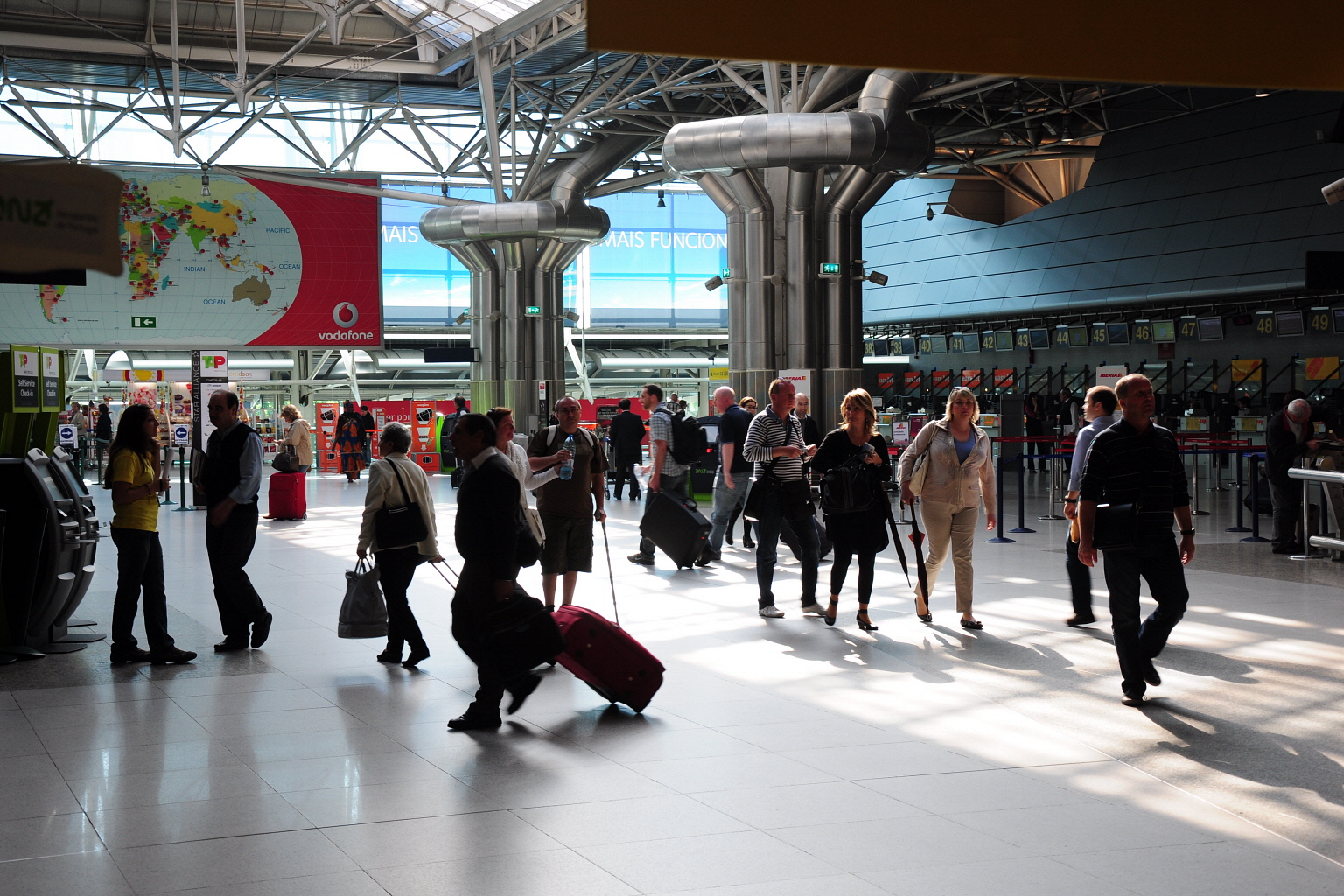
Images: Hero and departure board via Pexels. Lisbon airport terminal via Wikimedia Commons, by W.Rebel, public domain.