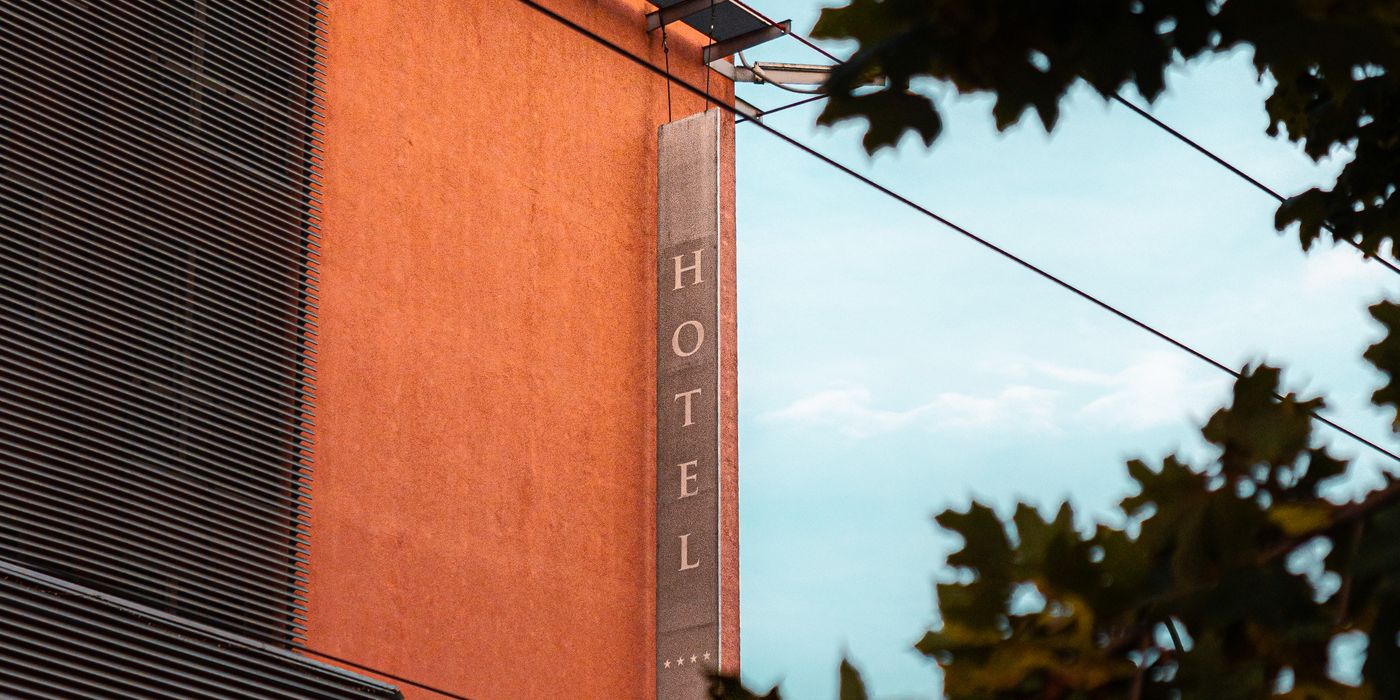
New England Foliage Hotel Prices in 2026
Vermont peaks around October 9 and rooms double that week. Where the same color costs 30% to 40% less, and when to book.
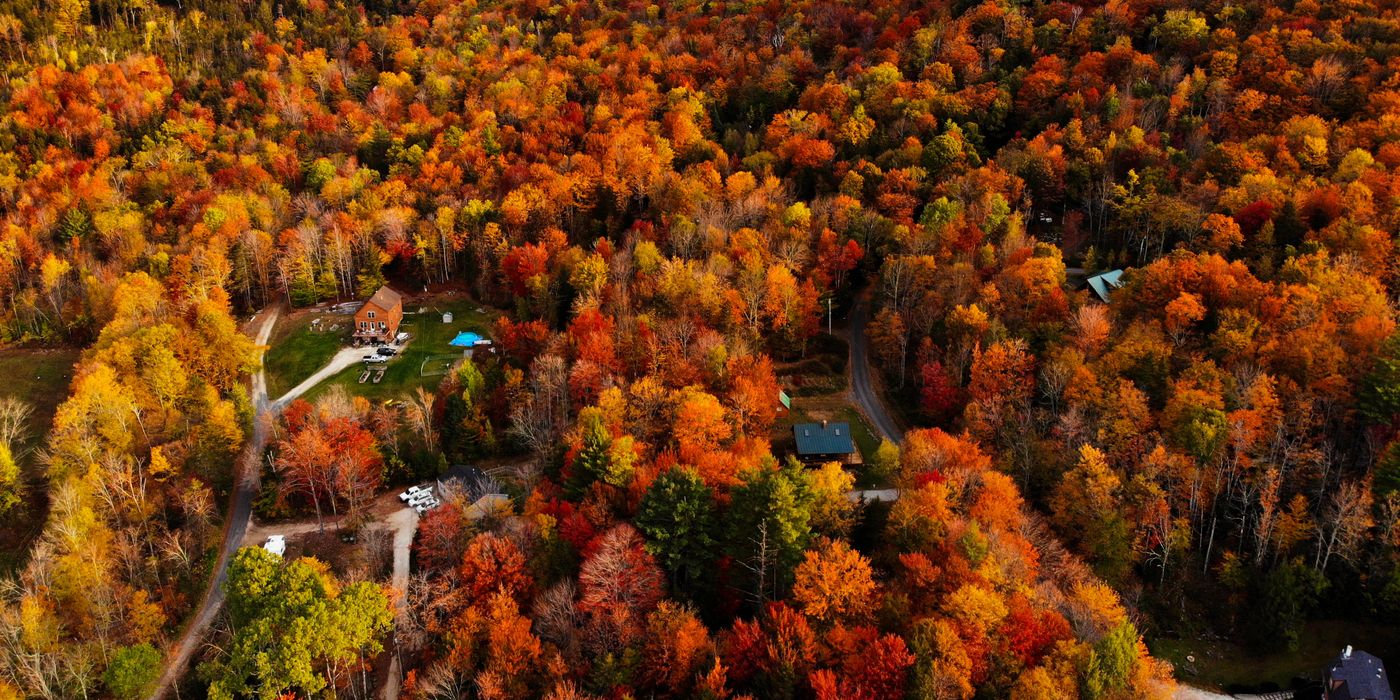
Vermont's peak foliage is forecast for around October 9 this year, rolling north to south across the state over roughly eight days. A room in Woodstock that week costs about double what it costs in the third week of September. Same room, same view, eight days apart.
That is the whole New England fall problem in one sentence. The color is spectacular, the window is narrow, and every hotel in the region knows exactly when it opens.
We looked at what foliage season actually costs in 2026, where the pricing breaks down by state and week, and which trips get you the same color for meaningfully less.
When peak actually happens
Peak is not one date. It is a wave that moves south and downhill over about five weeks.
Northern Vermont, the White Mountains and northern Maine turn first, late September into the first days of October. Central Vermont and New Hampshire follow, with Vermont's statewide peak forecast around October 9. Southern Vermont, the Berkshires and central Massachusetts come next, roughly October 12 to 20. Coastal Connecticut, Rhode Island and the Boston area finish last, into the final week of October.
Peak color holds for one to two weeks before leaves drop. Timing the right week matters far more than picking the right month, and elevation shifts things by several days inside a single county.
What you will pay
Peak-week lodging in Vermont runs roughly $200 to $500 per couple per night, which is about double the off-season rate at the same properties. The well-known inns in Woodstock and Manchester sit around $150 to $250 a night outside the peak fortnight and climb well past $300 inside it.
Stowe and the Route 100 corridor price highest and fill first. If you are looking at the first two weeks of October in those towns, three to five months of lead time is the realistic booking window, and a lot of inventory is already gone by early September.
The gap between weekend and midweek is unusually large here. Tuesday through Thursday stays show 20% to 30% better availability than Friday through Sunday across October, and the rate difference tracks it. A Wednesday night in Manchester in peak week can run $180 where the Saturday runs $340.

The four cheaper trades
Go one week early. Late September in northern Vermont and the Northeast Kingdom is already turning while central Vermont rates are still at September levels. You get 70% to 80% of the color for roughly half the room rate. The Kingdom around Lake Willoughby and Burke turns in the last week of September most years.
Go one week late, further south. The Berkshires in the third week of October and coastal Connecticut in the last week are both at full color while every travel article has already moved on to Christmas markets. Great Barrington and Lenox in late October run 30% to 40% under Vermont peak-week pricing.
Move midweek and accept the Sunday. A Sunday through Thursday trip during peak week costs less than a Friday through Sunday trip in the shoulder week. If your schedule allows it, this is the single biggest lever available.
Base an hour out. Rutland, Brattleboro, Keene and White River Junction are 30 to 60 minutes from the postcard towns and price like ordinary small cities. You spend the difference on gas and get most of it back on dinner, which also costs less.
Where to go that is not Stowe
Stowe is genuinely beautiful and genuinely expensive, and it is not the only place with maples.
The Northeast Kingdom, Vermont's far northern corner, turns earliest and prices lowest. Lake Willoughby between its two cliffs is the best single view in the state and there is a fraction of the traffic.
The Kancamagus Highway in New Hampshire is 34 miles of White Mountain National Forest with no commercial development on it at all. Lodging in Lincoln and North Conway at either end runs well below Vermont peak rates.
The Litchfield Hills in northwestern Connecticut peak in the third week of October and sit two hours from New York. Kent, Washington and Litchfield have small inns at $150 to $220 in peak week, which is Vermont shoulder-season money.
Western Maine around Bethel and the Rangeley Lakes turns in the first week of October alongside northern Vermont, at roughly 60% of Vermont's rates, because far fewer people drive that far.
Booking the trip
Foliage is one of the few travel scenarios where booking early genuinely wins. Supply is fixed, small and geographically concentrated, and demand is driven by a forecast that everyone reads at the same time. This is the opposite of the general fall pattern, where rates soften as the date approaches.
Book peak-week Vermont and New Hampshire three to five months out. Book the shoulder weeks and the southern states four to eight weeks out. Book midweek if you possibly can.
Two-night minimums are near universal on peak-season weekends, and three-night minimums are common in Stowe, Woodstock and North Conway. Factor that in before comparing a nightly rate against a property that will let you stay one night.
Cancellation terms tighten sharply in October. Many New England inns move to a 14-day or even 30-day cancellation window for foliage season, against 48 hours the rest of the year. Read that before you book a flexible-sounding rate.
Rates for identical rooms diverge more during foliage season than at almost any other time, because small independent inns distribute unevenly and inventory sits in different places. Best shows the lowest available rate for the room rather than the one carrying the biggest margin, which on a three-night peak-week stay is not a trivial difference.
Practical notes
Traffic on Route 100 and the Kancamagus on peak weekends is genuinely bad. Leave before 8am or plan to be somewhere by mid-afternoon.
State foliage trackers update weekly through the season and are more accurate than any long-range forecast. Check them in the week before you travel and be willing to drive an hour north or south of your plan.
Restaurants in small foliage towns book out. Reserve dinner when you reserve the room, not the day before.
And bring layers. Early October in northern Vermont runs from around 3C at dawn to 18C by mid-afternoon, and the good light is at both ends of that range.
Questions people ask about foliage season
When is peak fall foliage in Vermont in 2026? Around October 9 for the statewide peak, moving north to south over roughly eight days. Northern Vermont and the Northeast Kingdom turn in the last week of September, southern Vermont around October 12 to 20.
How much do Vermont hotels cost during foliage season? Roughly $200 to $500 per couple per night in peak week, about double the off-season rate. Inns in Woodstock and Manchester run $150 to $250 outside the peak fortnight.
How far in advance should I book a foliage trip? Three to five months for peak-week Vermont and New Hampshire, especially Stowe and the Route 100 corridor. Four to eight weeks is enough for the Berkshires, Connecticut and shoulder weeks.
Where can I see fall foliage in New England without paying peak prices? Vermont's Northeast Kingdom in late September, western Maine around Bethel in early October, and the Litchfield Hills in Connecticut in the third week of October. All three run 30% to 40% below Vermont peak-week pricing.
Is midweek really cheaper for foliage season? Yes, substantially. Tuesday through Thursday stays show 20% to 30% better availability than weekends across October, and rates follow. A midweek night in peak week often costs less than a weekend night in shoulder week.
Images: Hero by Soumit Biswas. Farm stand by Phyllis Lilienthal. Both via Pexels. Covered bridge by ivanah159411 via Pixabay.