The US Dollar Goes a Long Way in New Zealand Right Now
The NZ dollar is near its 2026 low, US fall is New Zealand spring, and spring hotel rates run 20 to 30 percent under peak. How to stack all three.
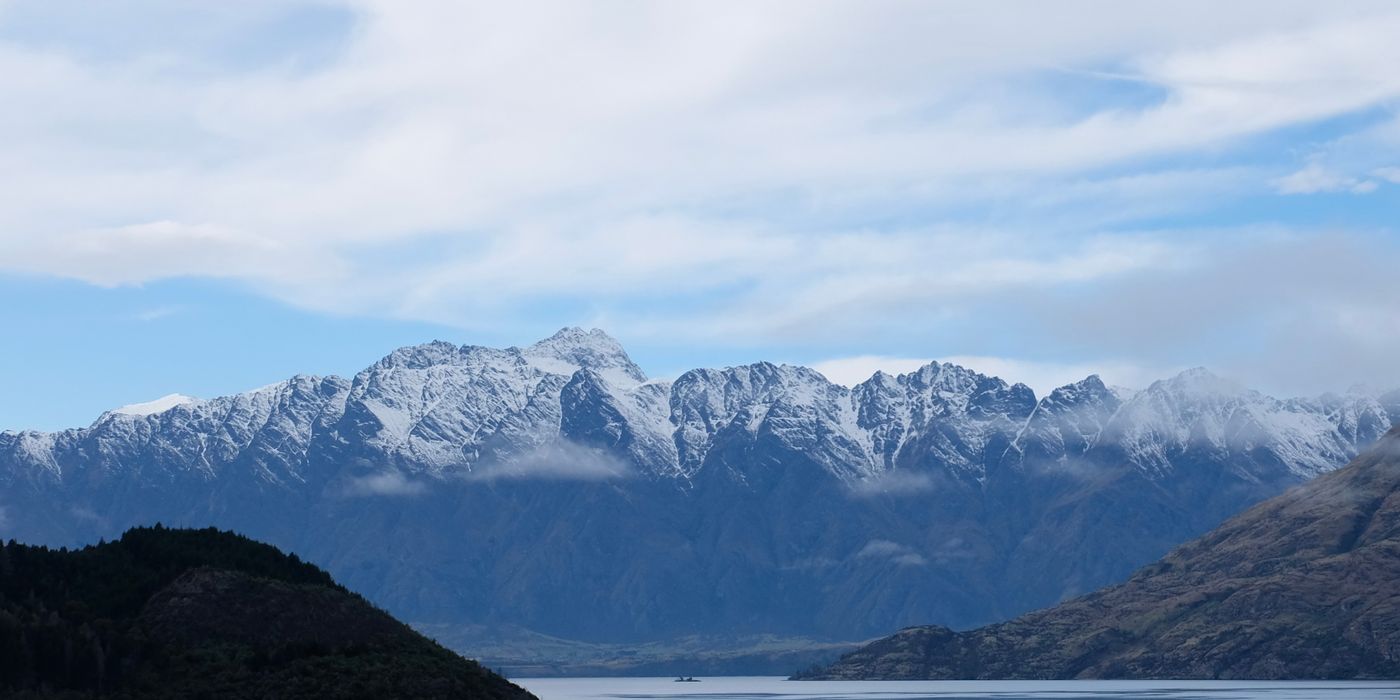
The New Zealand dollar has spent 2026 drifting lower against the US dollar, and this week it sits near 58 US cents, close to its weakest point of the year. Currency charts are boring right up until they buy you a better trip. For American travelers, this one currently does.
Here's the part most people miss. The exchange rate is only half the story. The other half is the calendar, because the US fall is New Zealand's spring, and spring is the most underpriced season on the New Zealand hotel calendar. Stack the two and a country with a reputation for being expensive quietly becomes a value play.
What the Exchange Rate Actually Buys You
At 0.58, a NZ$300 hotel night costs about US$174. When the rate touched 0.61 in late January, that same room cost US$183. The currency alone hands you roughly 5 percent compared with the start of the year, and considerably more compared with the stronger-kiwi years earlier this decade.
Five percent isn't a jackpot on its own. Spring pricing is where the real discount lives. Queenstown, Wanaka, and the Fiordland gateway towns price their beds for the December-to-February summer peak and for the July ski rush. September through November falls between the two, and rates drop 20 to 30 percent while the scenery does the opposite of dropping. Snow still on the peaks, waterfalls at full volume, lambs in every paddock.

Where to Stay and What It Costs in Spring
Queenstown. The adventure capital runs $250 to $400 a night for good hotels in summer peak. In October, comparable rooms sit around $130 to $220. Lakefront properties along Lake Wakatipu that are fully booked in January have same-month availability in spring.
Wanaka. An hour away and permanently one notch calmer, Wanaka runs 15 to 25 percent below Queenstown for equivalent rooms. It's the better base for the Mount Aspiring day walks that open up as the snow line retreats.
Te Anau. The gateway to Milford Sound. Staying here instead of day-tripping from Queenstown cuts five hours of bus off your Milford day and costs $100 to $160 a night for solid motels and lakeside lodges in spring.
Auckland and Christchurch. The arrival cities behave like business markets, which means weekend rates dip and $110 to $170 buys a genuinely good downtown hotel most spring weekends.

The Booking Playbook
Flights are the expensive, inflexible part, so start there. Nonstop from the US West Coast runs 12 to 13 hours, and spring fares booked two to four months out have been landing in the $900 to $1,200 round-trip range this year, well under the December peak.
Hotels are the flexible part, and spring softness means you can book them one to two months out without punishment. Book refundable rates, set a price alert, and rebook if spring discounting goes deeper, the same pattern we recommend in our guide to hotel booking timing.
Then let the cashback stack with the currency. A ten-night South Island trip averaging US$160 a night comes to $1,600, and booking it through Best (best.so) returns $160 of that as 10 percent cashback. Combined with the exchange rate and spring pricing, you're paying something like two-thirds of what the identical trip costs in January.
A Ten-Day South Island Shape
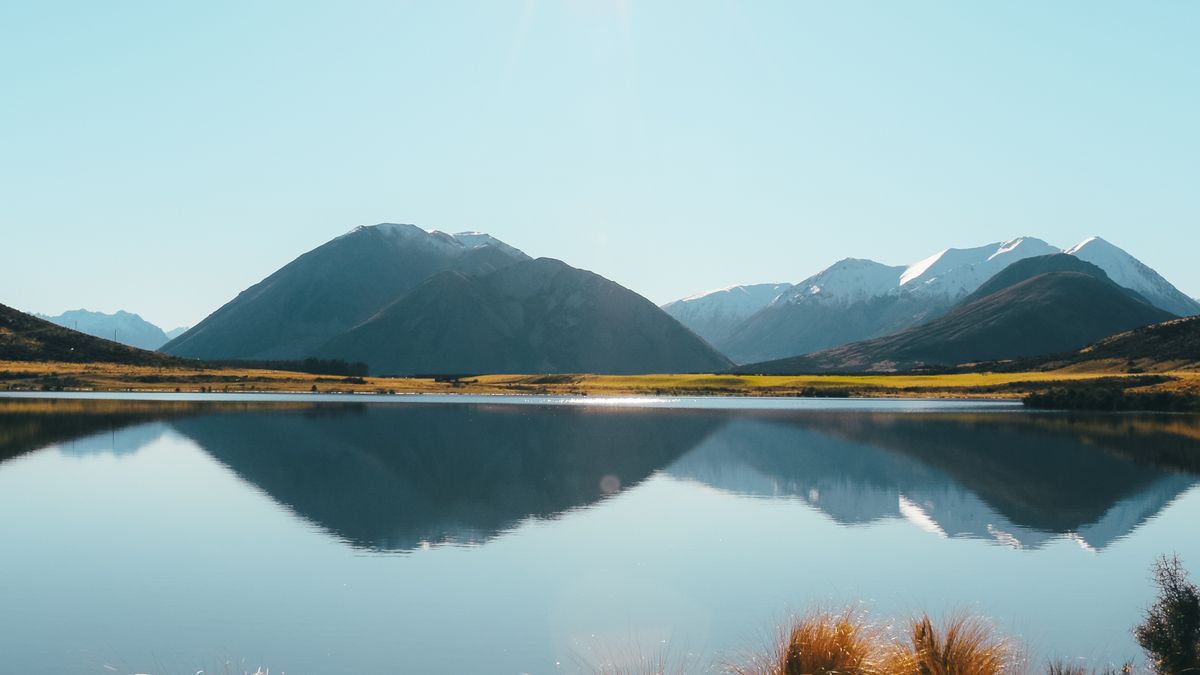
Most first South Island trips settle into a natural loop, and spring is the best season to drive it. Land in Christchurch, spend a night recovering, then cross Arthur's Pass or head south through Lake Tekapo, where the lupins start flowering in late November and the Mount John observatory sits above one of the world's clearest night skies. Two nights around Aoraki Mount Cook puts you at the foot of the country's highest peak while the winter snow is still on it.
Then three nights in Queenstown or Wanaka as the adventure base, a night in Te Anau, the Milford Sound day, and back through Central Otago's vineyards, where cellar doors pour pinot noir with no crowds at all in October. Ten days, five bases, and almost every night bookable at spring rates.
Campervans deserve a mention here too. Rental rates for them follow the same seasonal curve as hotels but steeper, running 40 to 50 percent below summer pricing in September and October. New Zealand's holiday park network makes the logistics easy, and spring means you're not competing with the January convoy for the scenic pullouts.
Don't Skip the North Island Entirely
The South Island gets the postcards, but the exchange-rate math works everywhere, and the North Island holds its own. Rotorua's geothermal parks and Māori cultural experiences, the Tongariro Alpine Crossing as the snow clears in late spring, and Hawke's Bay wine country all run cheaper than their South Island equivalents. Auckland and Wellington hotels behave like weekday business markets, which makes weekend city stays a quiet bargain, and Wellington's food scene deserves a full 48 hours of anyone's trip.
A common pattern that works well in spring is a week on the South Island for the scenery plus three nights north for Wellington or Rotorua, connected by the one-hour domestic hop, which frequently prices under US$60 when booked a few weeks out.
What a Ten-Day Trip Actually Costs
Put the whole stack together for one traveler in October 2026. Flights from the West Coast at $900 to $1,200. Ten hotel nights averaging US$150, so $1,500 before the $150 cashback comes off. A compact rental car with fuel for $700, the Milford cruise and a gondola at about $150, and food at $60 to $80 a day done sensibly. The total lands around $4,300 to $4,900. Price the identical itinerary for the first week of January and it clears $6,500 before you've eaten anything. The trip doesn't change. The timing does, and right now the currency is on your side too.
One final planning note. New Zealand's school holidays run for two weeks from late September into mid-October, and domestic families fill the holiday parks and mid-range motels during that window. International visitors barely notice it in the cities, but if the campervan route is your plan, aim for early September or November to keep the full spring discount intact.
Frequently Asked Questions
Is New Zealand cheap for Americans in 2026?
Cheaper than its reputation. The NZ dollar has traded near 0.58 US cents in mid-2026, close to its weakest level of the year, and spring hotel rates run 20 to 30 percent below summer peak. New Zealand still isn't Southeast Asia cheap, but the gap versus a comparable US trip has narrowed sharply.
When is New Zealand's shoulder season?
September through November, which is spring, and March through May, which is fall. Spring adds snow-capped scenery and full waterfalls. Both seasons undercut the December-to-February peak substantially.
How much do hotels in Queenstown cost?
As of mid-2026, roughly $130 to $220 US per night for good hotels in spring, rising to $250 to $400 in the December-to-February peak. Wanaka and Te Anau run meaningfully cheaper.
Is spring a good time to visit Milford Sound?
One of the best. Spring snowmelt feeds hundreds of temporary waterfalls, and tour boats are far less crowded than in summer. The road from Te Anau occasionally closes briefly for late-season snow, so build one flexible day into the plan.
Images. Hero, Queenstown mountains by William Su via Pexels. Milford Sound by Krzysztof Golik and Lake Wakatipu by Avenue via Wikimedia Commons, used under Creative Commons licenses. Lake reflection by Jarod Barton via Pexels.