How to Get Your Money Back on a Non-Refundable Hotel Booking
Non-refundable is a price tier, not a law. Seven approaches that actually recover money on a prepaid hotel room, ranked by how often they work.

Non-refundable is a price tier, not a legal category. A hotel chose to sell that room cheaper in exchange for certainty, and certainty is something they can give back if the alternative is worse for them. Understanding why they'd do that is the whole game.
The trip fell apart. You're staring at a 640 dollar prepaid reservation and a cancellation policy that says zero refund. Here's what actually recovers money, ranked by how often it works.
What Non-Refundable Actually Means
When a hotel loads rates into its system, it creates several versions of the same room. The flexible rate costs 10 to 15 percent more and can be cancelled. The advance purchase rate costs less and cannot. Same bed, same view, different contract.
The reason the cheap version exists is forecasting. A prepaid booking is a guaranteed sale the revenue management system can build around. That's worth real money to a hotel, which is why they'll discount for it.
The important consequence is that a non-refundable booking is worth roughly one room night of revenue to the property. If they can resell that room, cancelling costs them almost nothing. That single fact is why several of the approaches below work.

Seven Approaches, Ranked by What Actually Works
1. Check whether you are still inside a grace window
Several booking platforms and most major chains apply a short free cancellation window after booking, commonly 24 hours, even on advance purchase rates. It's rarely advertised and it's the highest success rate option on this list.
If you booked in the last day, stop reading and go cancel. Success rate here is close to 100 percent when the window exists.
2. Move the dates instead of cancelling
This is the most underused move in travel. Many non-refundable rates block cancellation but permit a date change, sometimes with a fee, sometimes free.
The logic is simple from the hotel's side. A cancellation is lost revenue. A date change keeps the revenue and moves it. They'd rather have you in October than have your money and an empty room in August.
Ask for a modification, not a refund. The words matter. Support agents work from different scripts for each.
3. Ask your booking platform to request a waiver
Every booking platform has a process for asking a property to release a non-refundable reservation. It gets used constantly and travelers rarely know to ask for it.
What moves the needle is timing and demand. Request it early, ideally more than a week out, when the property still has time to resell the room. A waiver request for a sold out weekend is far more likely to succeed than one for a slow Tuesday, because a full hotel loses nothing by letting you go.
Be specific and unemotional. "I need to cancel reservation 4471 for 12 September. I understand it's a non-refundable rate. Could you ask the property whether they'd release it, given they have availability that week?" That message works better than three paragraphs of explanation.
4. Use the cause you actually have
Documented circumstances change the answer. Hospitalization, a death in the immediate family, jury duty, military deployment, a government travel advisory or a named storm affecting the destination all trigger discretionary refunds at most properties and most platforms.
The requirement is documentation, not sympathy. A discharge summary, a death certificate, a deployment order or a screenshot of an official advisory converts a no into a yes far more often than a description of the same event.
5. Claim it through insurance or your card
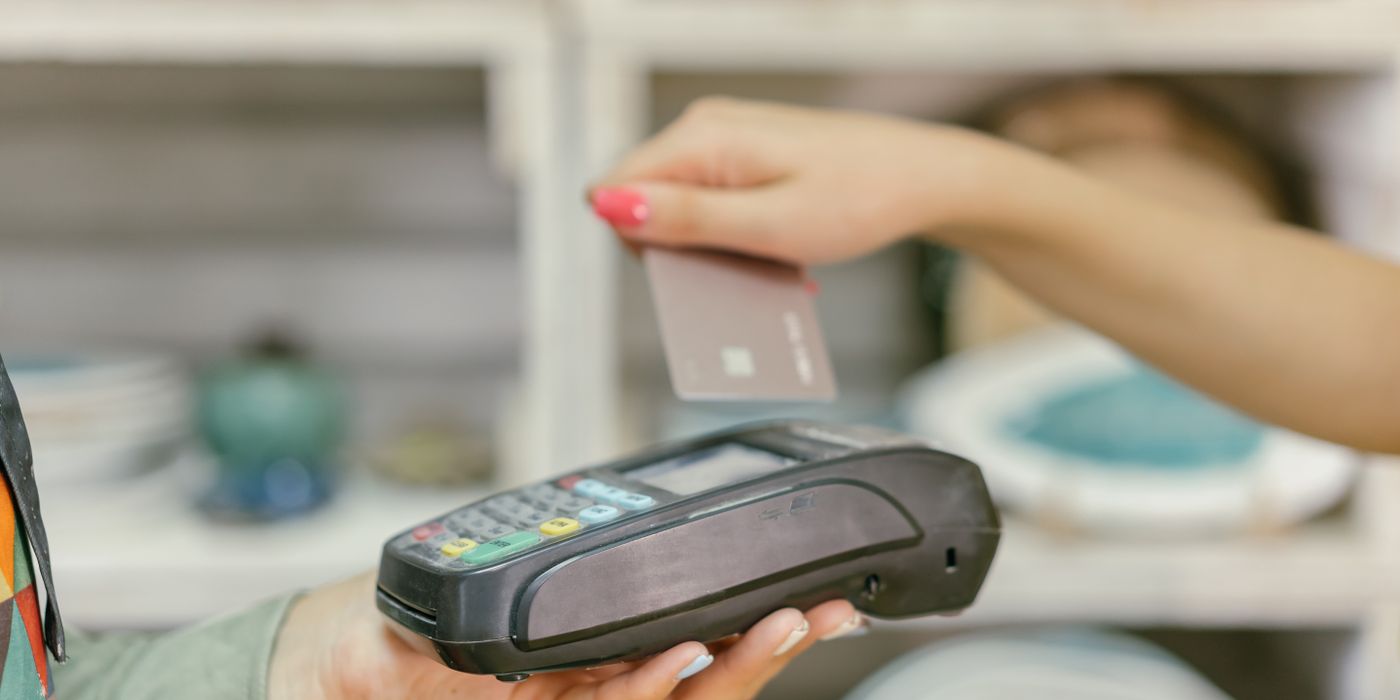
Many travel credit cards include trip cancellation coverage on purchases made with the card, typically covering illness, injury, death of a traveling companion or family member, and certain weather and carrier disruptions. Coverage limits commonly run 1,500 to 10,000 dollars per trip.
People forget they have this. Check the card's guide to benefits before you accept the loss. The claim usually needs the original booking confirmation, proof of the qualifying event and evidence that you requested a refund and were declined. That last piece matters, so document the refusal.
Standalone travel insurance behaves similarly. Cancel for any reason policies refund 50 to 75 percent and cost 40 to 60 percent more than standard coverage, which is worth it only on expensive or fragile trips.
6. Transfer the reservation to someone else
If the trip is dead but the dates are fine, someone else can often take the room. Most properties will change the guest name on a reservation, and the process is much easier than cancelling it.
Our guide to booking a hotel room for someone else covers the authorization mechanics, which apply here too. A friend gets a trip, you get your money, the hotel gets a guest. Nobody loses.
7. Dispute the charge, carefully
A chargeback is a real tool and a bad first move. It works when the property failed to deliver something it promised, misrepresented the room, or when the terms you agreed to don't match what was applied.
It does not work as a way to escape a policy you read and accepted. Losing a frivolous dispute can also get your account flagged with the platform, which is a bad outcome for a frequent traveler. Save this for genuine misrepresentation, and only after the other six approaches are exhausted and documented.
What Does Not Work
Simply not showing up. A no show on a prepaid booking loses the money and adds nothing.
Arguing that you didn't understand the policy. It was displayed at checkout and the platform has the record.
Waiting. Every approach on this list gets weaker as the arrival date approaches, because the property's ability to resell the room drops to zero. Act the day you know.
The Math on Buying Flexibility Instead
Refundable rates cost roughly 10 to 15 percent more. So the question is really about how often your trips change.
If you cancel or move more than one trip in eight, the flexible rate is cheaper over a year. Below that, prepaying wins. Most leisure travelers overestimate their own reliability, and most business travelers underestimate how often plans move.
A middle path works well. Book the flexible rate first, then switch to the prepaid rate two weeks out once the trip is certain. You pay the flexible premium only during the window when plans actually change. This pairs neatly with the 8 to 14 day booking window that produces the lowest rates on most domestic stays anyway.
And check the cancellation terms before you check the price. A 12 dollar difference between two hotels stops mattering the moment one of them keeps 600 dollars.
Booking through Best puts 10 percent of the room rate back in your pocket, which is roughly the same size as the flexible rate premium. Take the flexible rate, take the cashback, and the cost of being able to change your mind lands close to nothing.
Questions People Are Asking
Can you get a refund on a non-refundable hotel booking? Often yes. Properties routinely waive non-refundable terms when they can resell the room, especially on high demand dates and when the request comes more than a week before arrival. The success rate drops sharply as the arrival date gets closer.
What is the best way to ask for a refund on a prepaid hotel room? Ask your booking platform to request a waiver from the property, and ask early. Keep the message short and factual, reference the reservation number and dates, and acknowledge the rate type. Requesting a date change instead of a cancellation succeeds more often than a straight refund request.
Does travel insurance cover a non-refundable hotel booking? Standard policies cover cancellation for specific documented reasons like illness, injury or a death in the family, typically with limits of 1,500 to 10,000 dollars. Many travel credit cards include similar coverage at no extra cost when the booking was charged to the card.
Is a refundable hotel rate worth the extra cost? Refundable rates run 10 to 15 percent more. If you change or cancel more than roughly one trip in eight, the flexible rate costs less over a year than the prepaid rate plus the occasional total loss.
Can I transfer a non-refundable hotel reservation to someone else? Usually. Changing the guest name on a reservation is a routine request at most properties and is often easier to get approved than a cancellation, because the hotel keeps the revenue and still fills the room.
Images: Hero via Pexels. Front desk via Pixabay. Payment review via Pexels. Used under license.